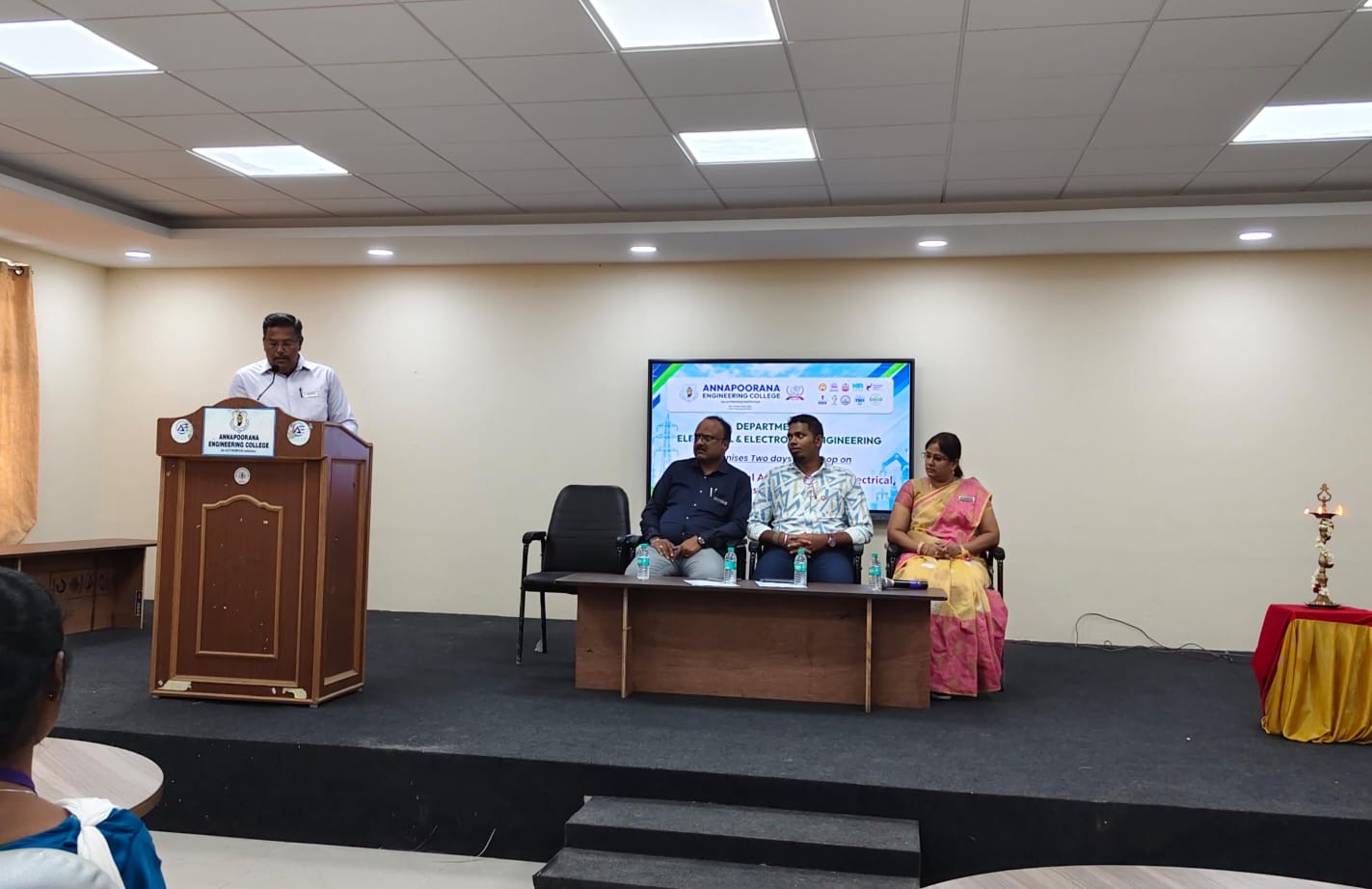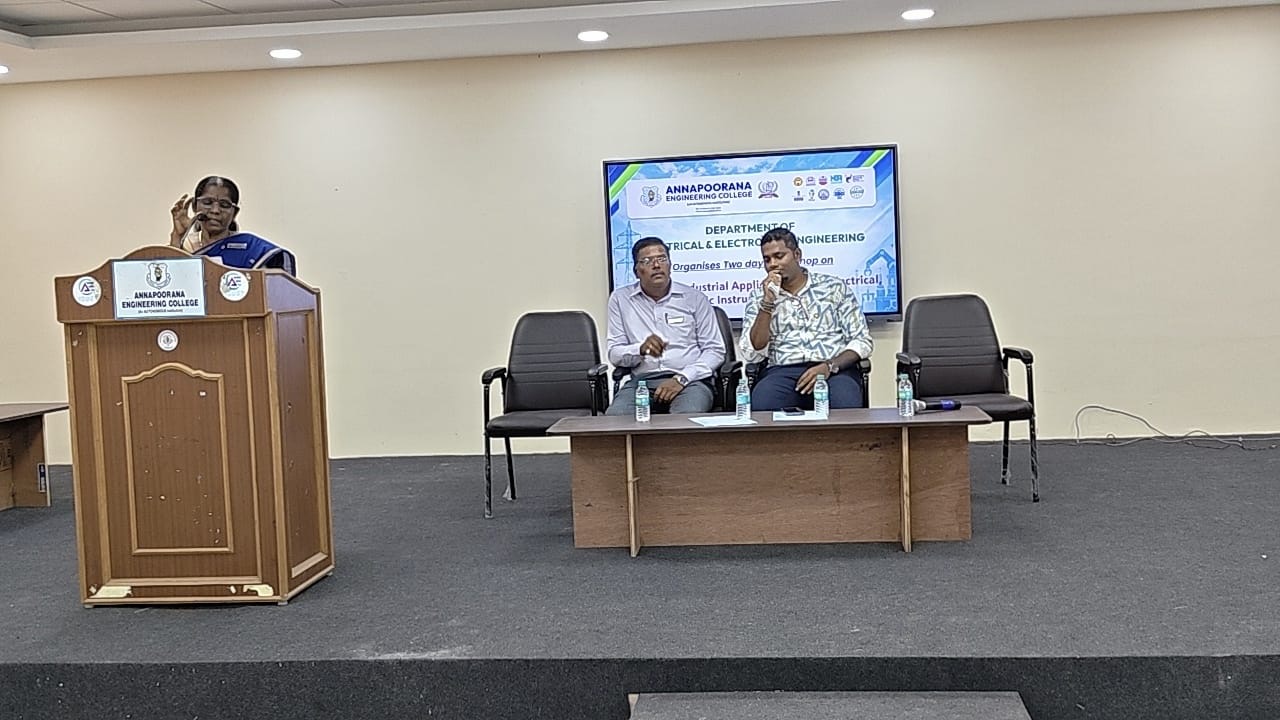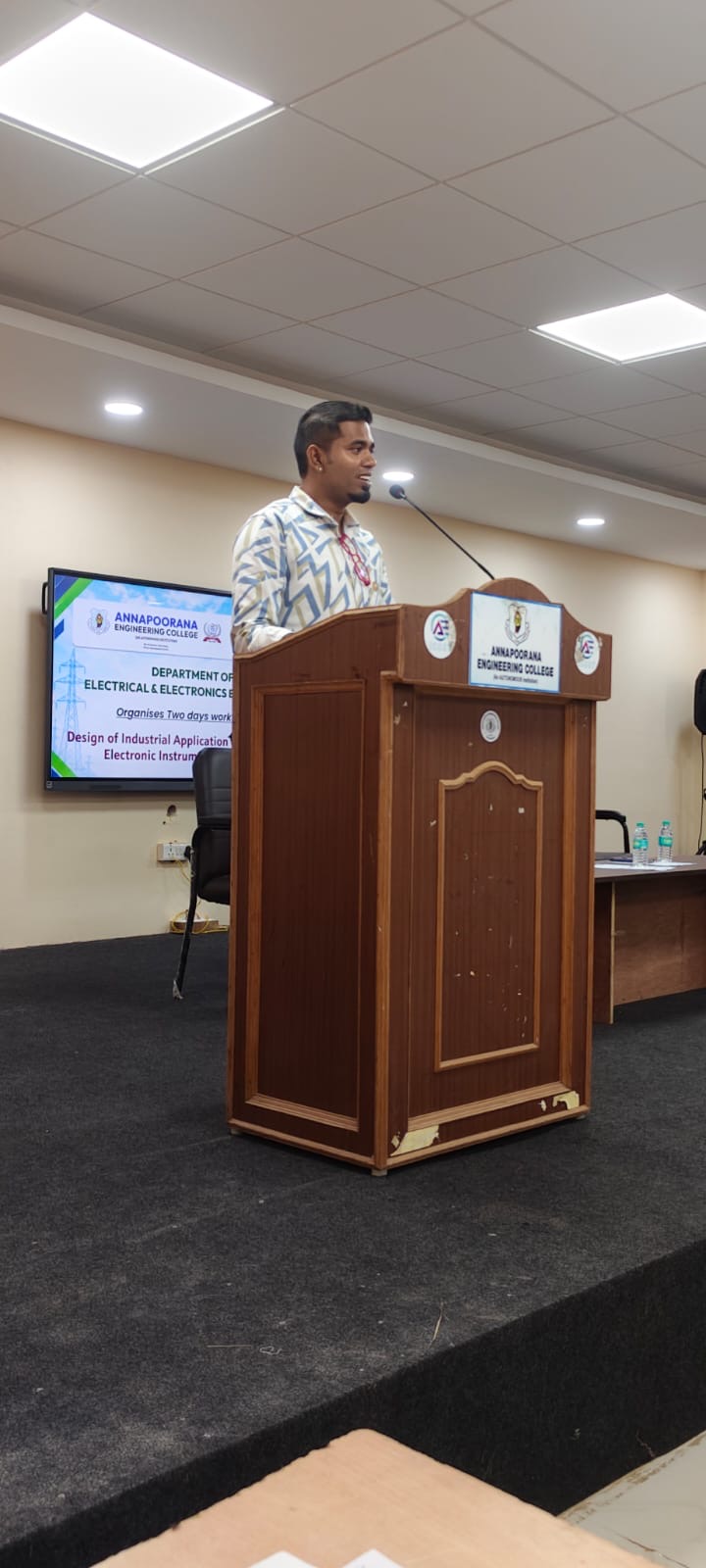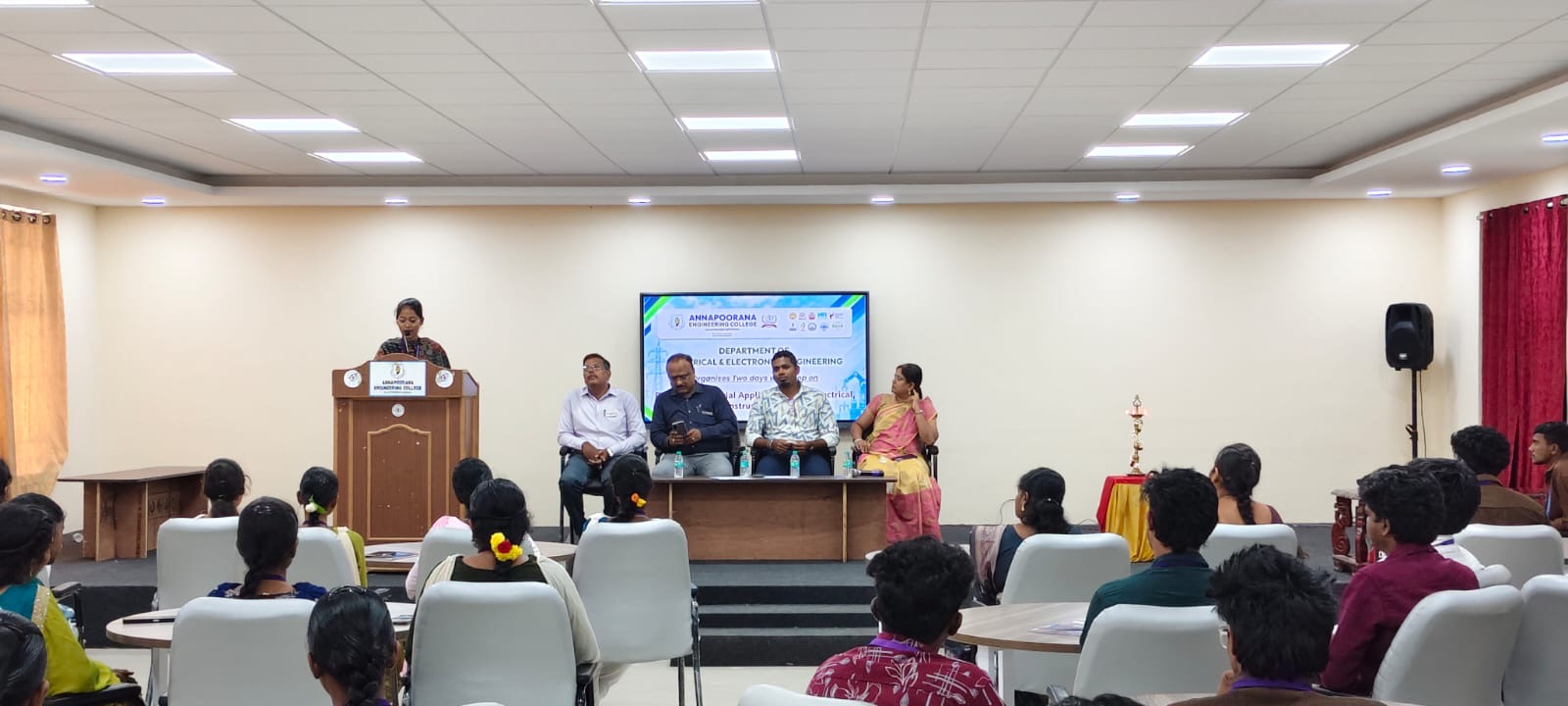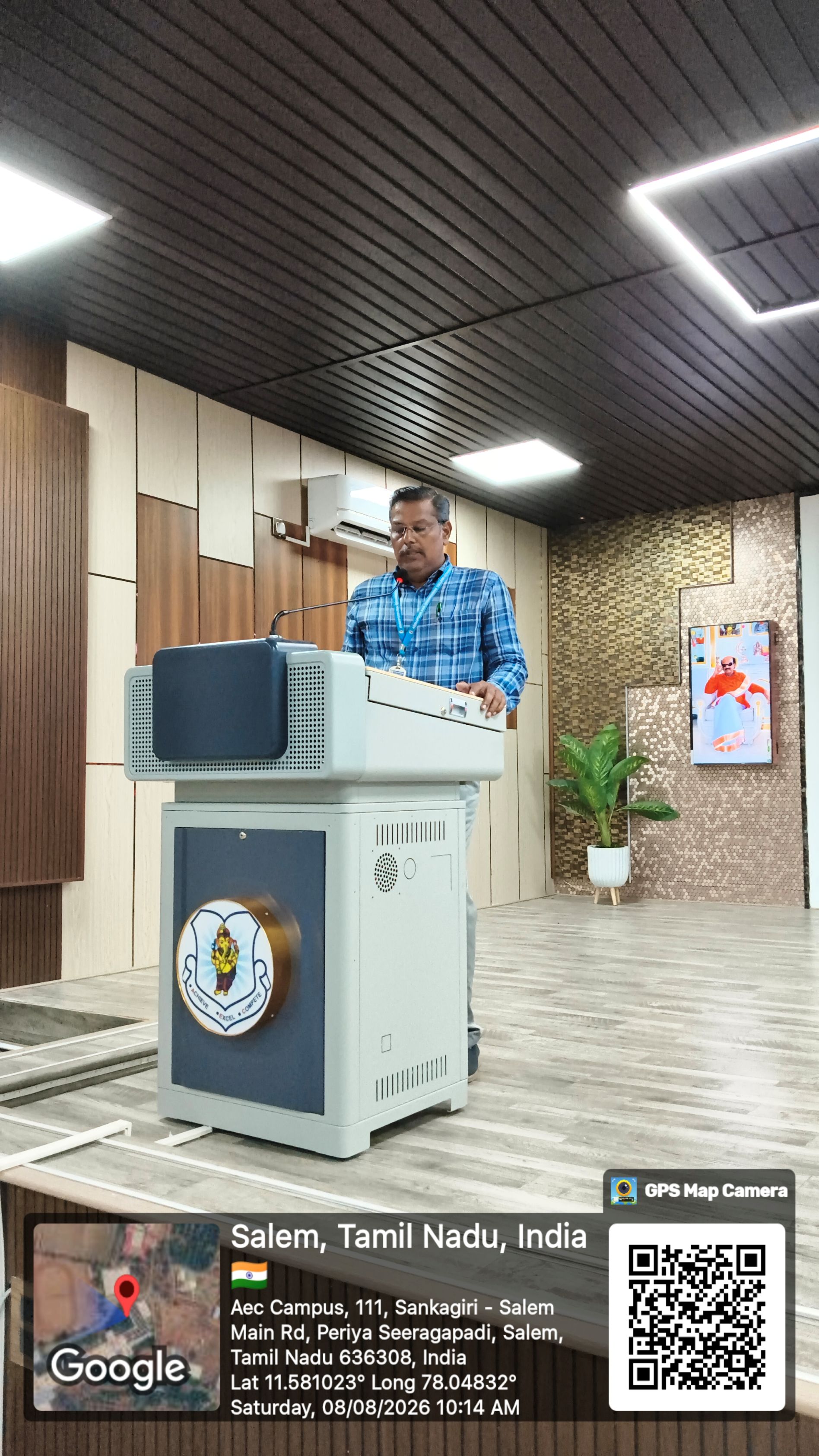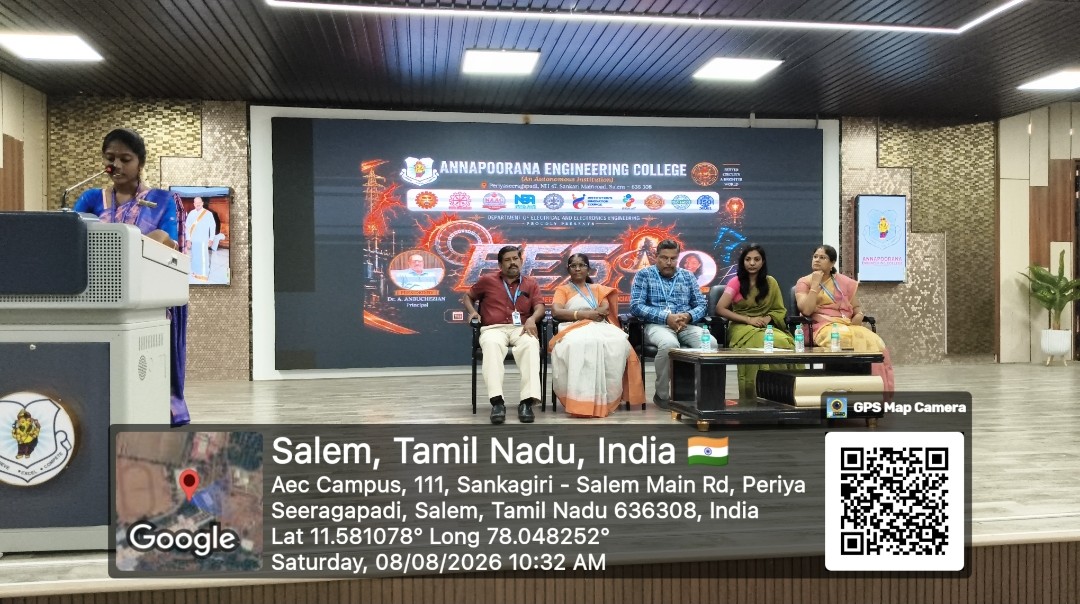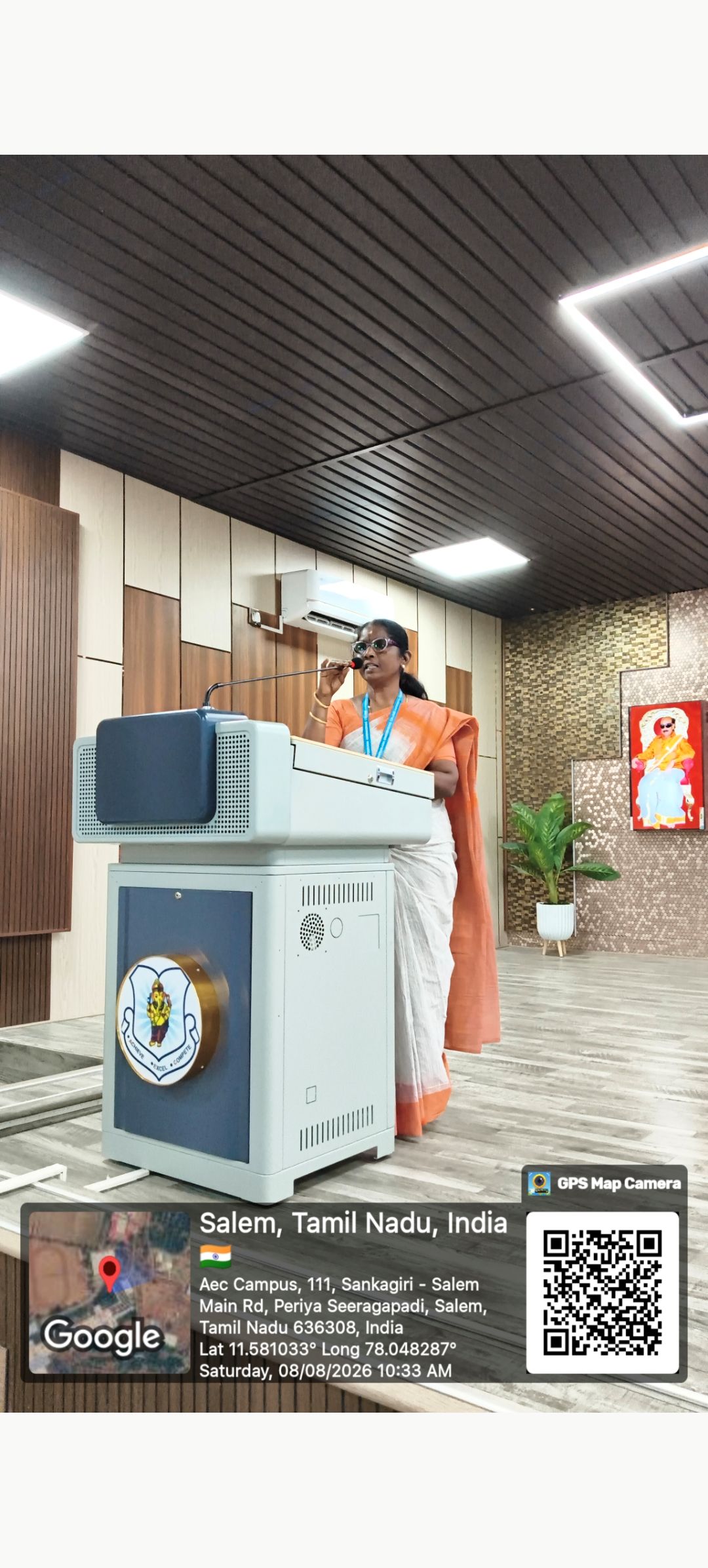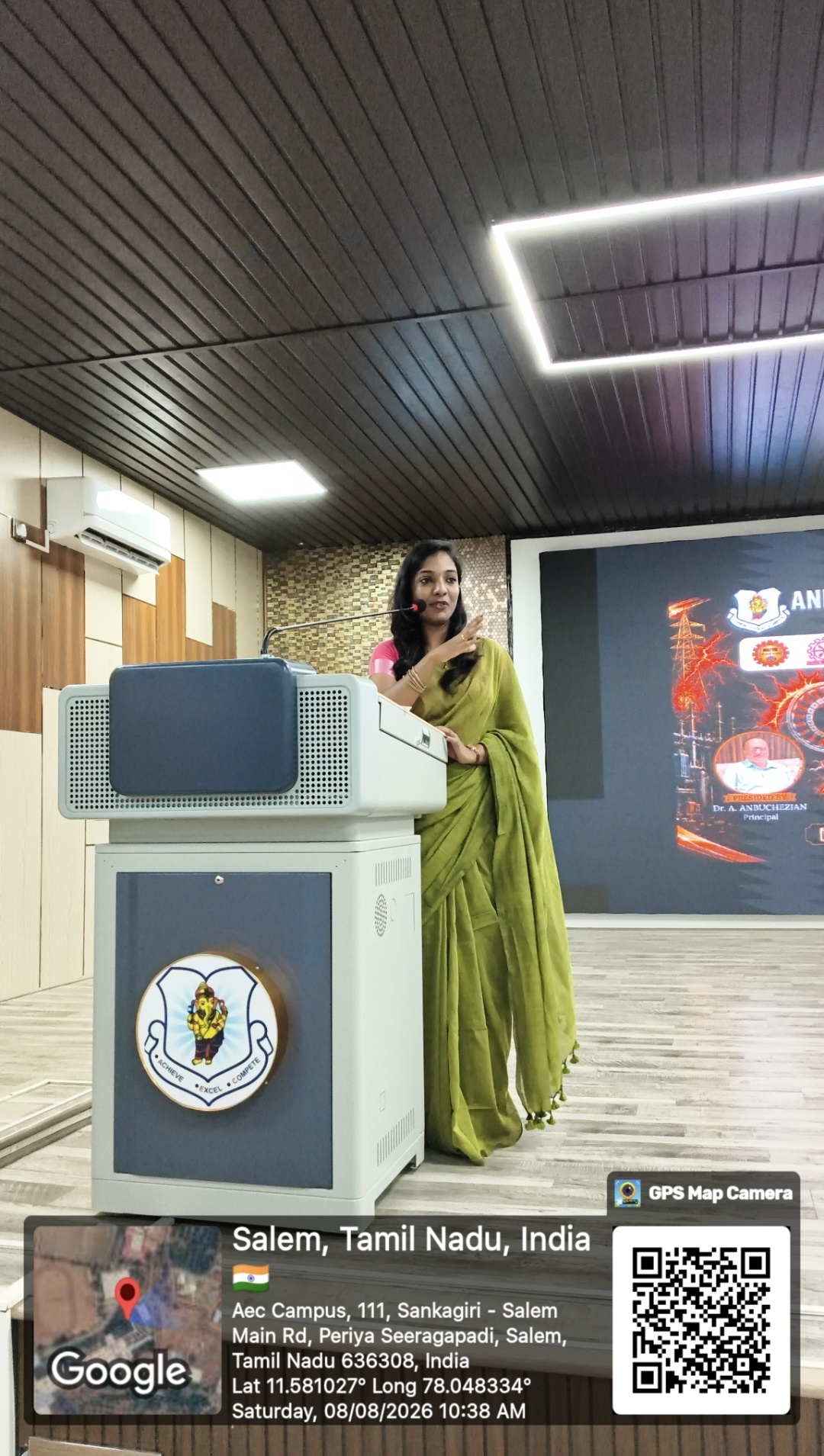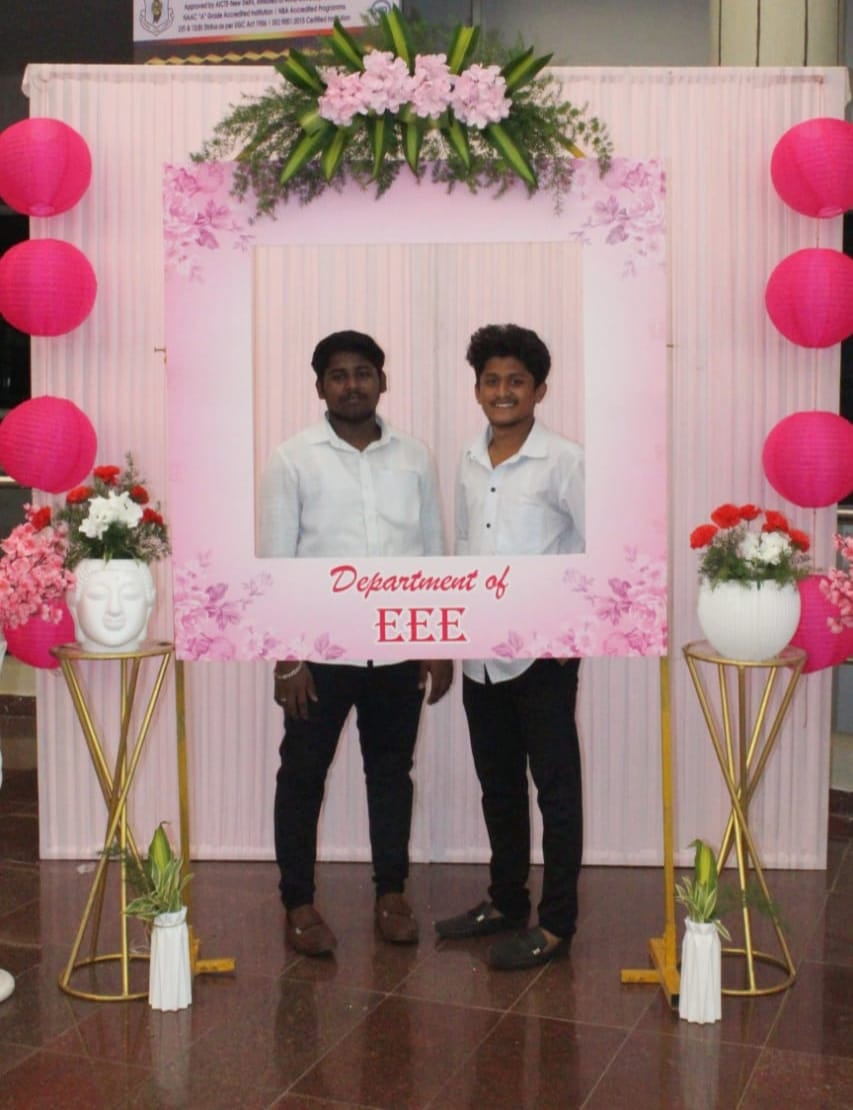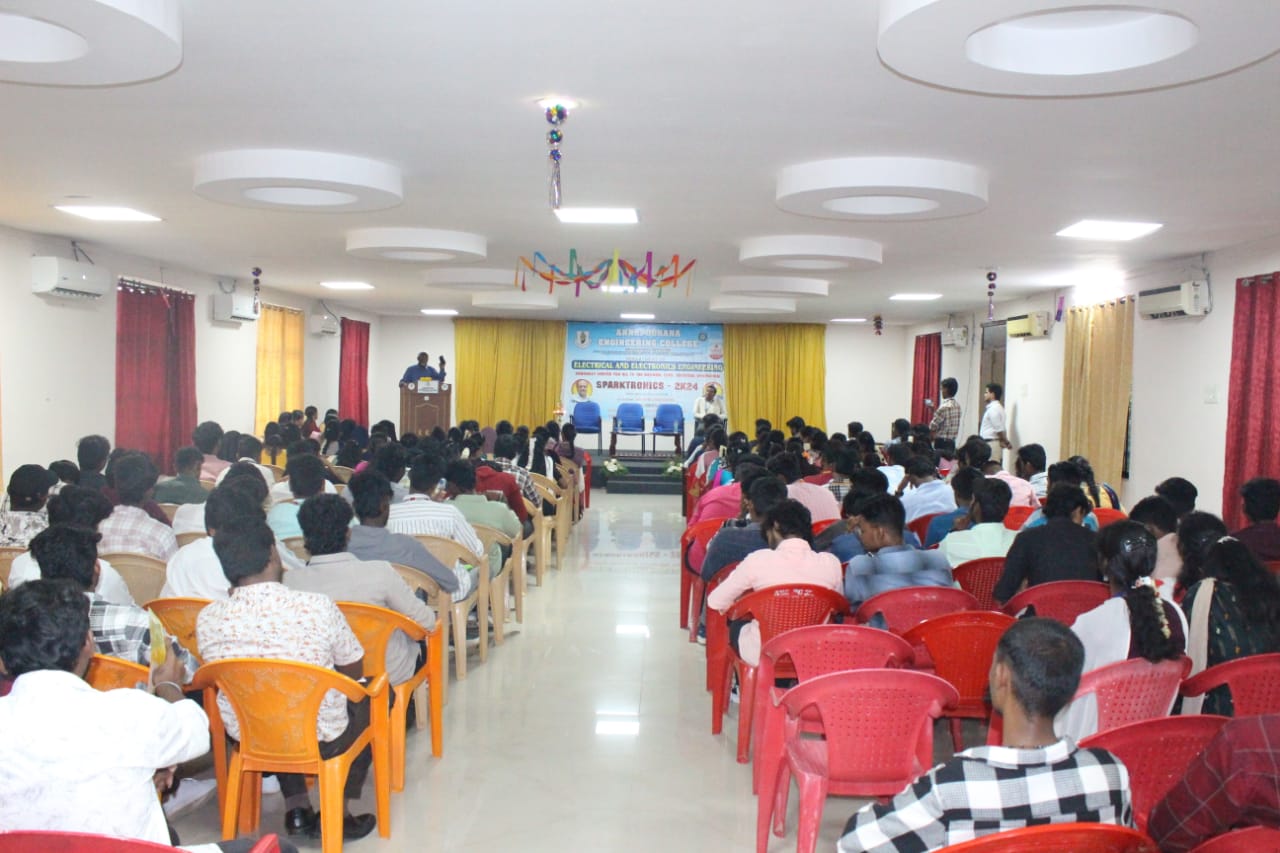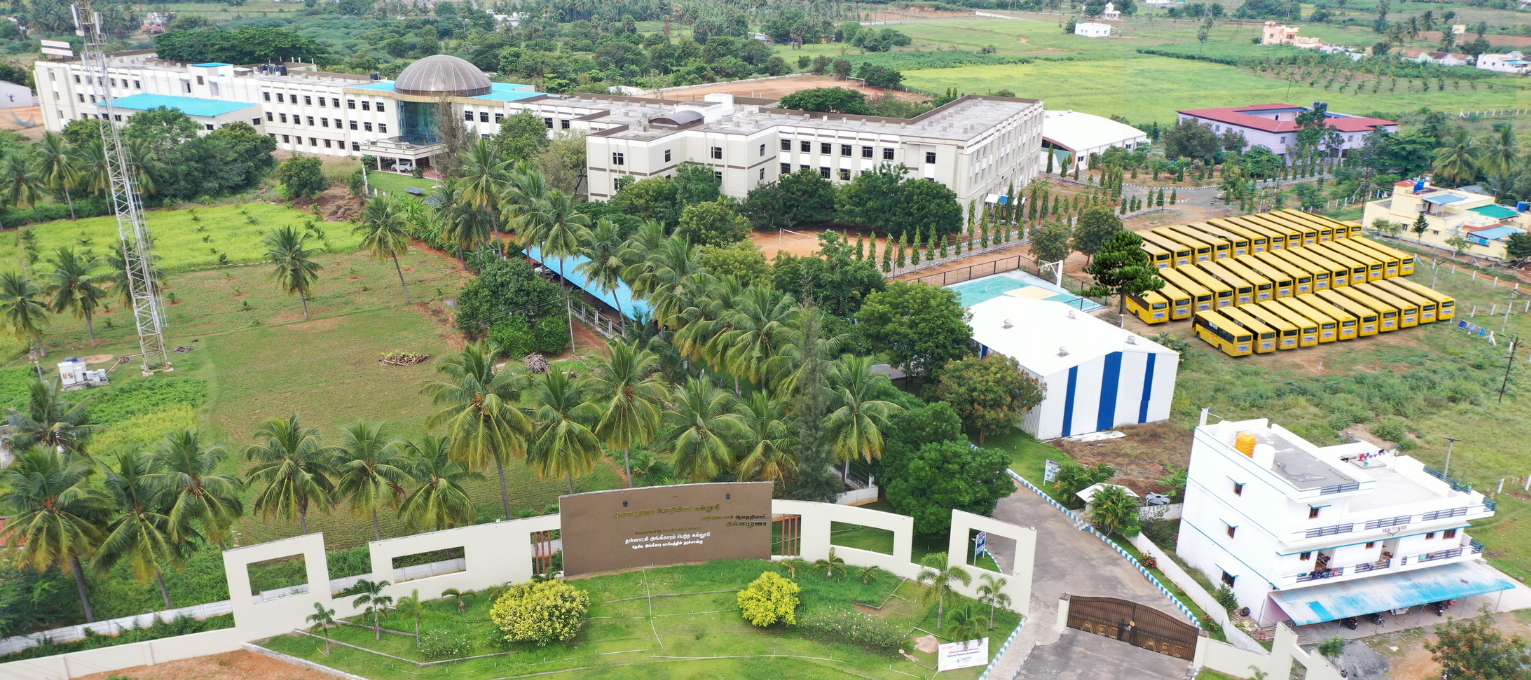
The Department of Electrical and Electronics Engineering (EEE) started to offer a Post graduate programme in Power Electronics & Drives and was started in the year 2013 with an intake of 24 students. The well qualified and experienced faculties of this Department are committed to achieve excellence in academic programs. The Department has good infrastructure with well equipped laboratories and an exclusive Departmental library.
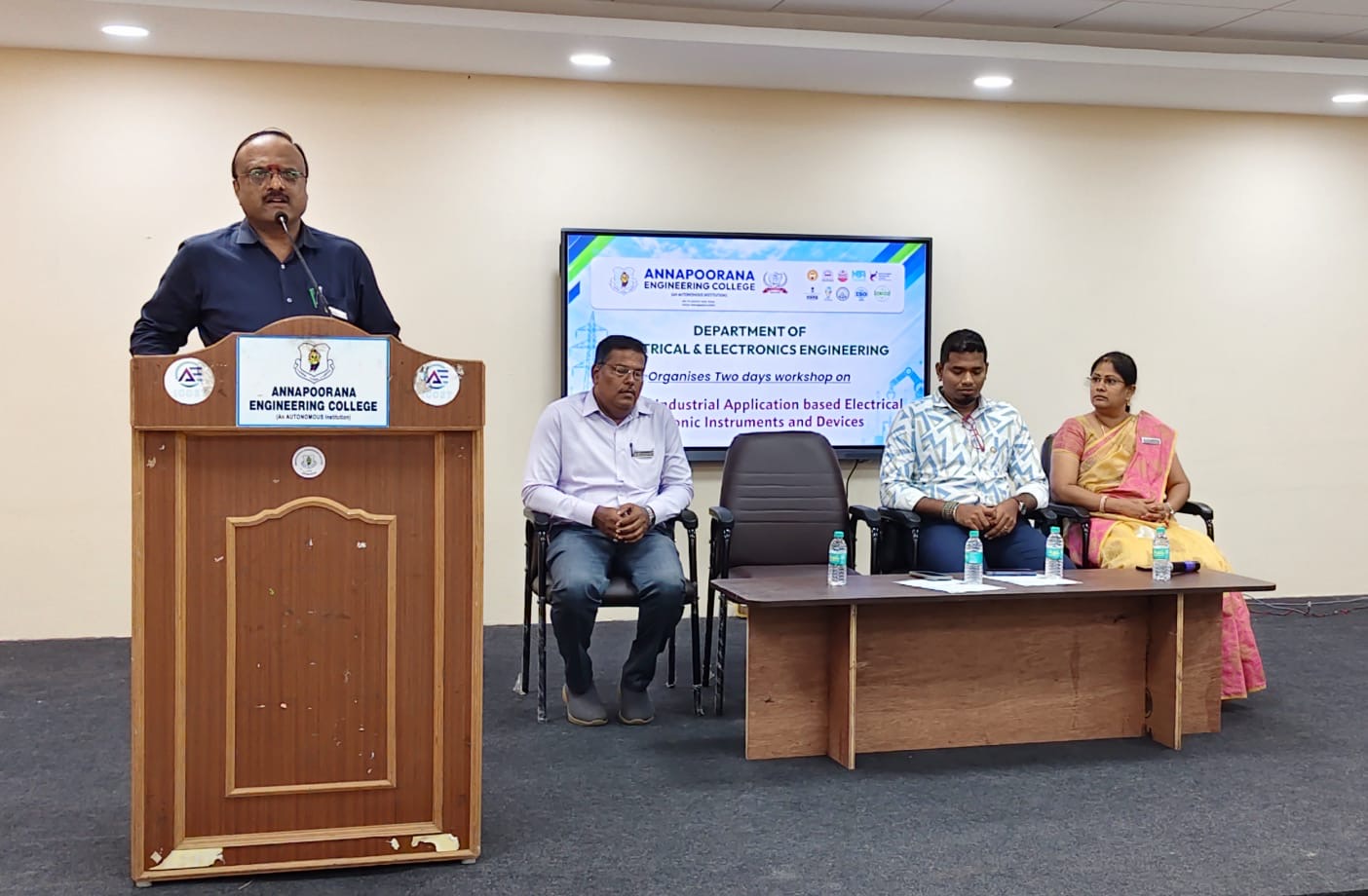
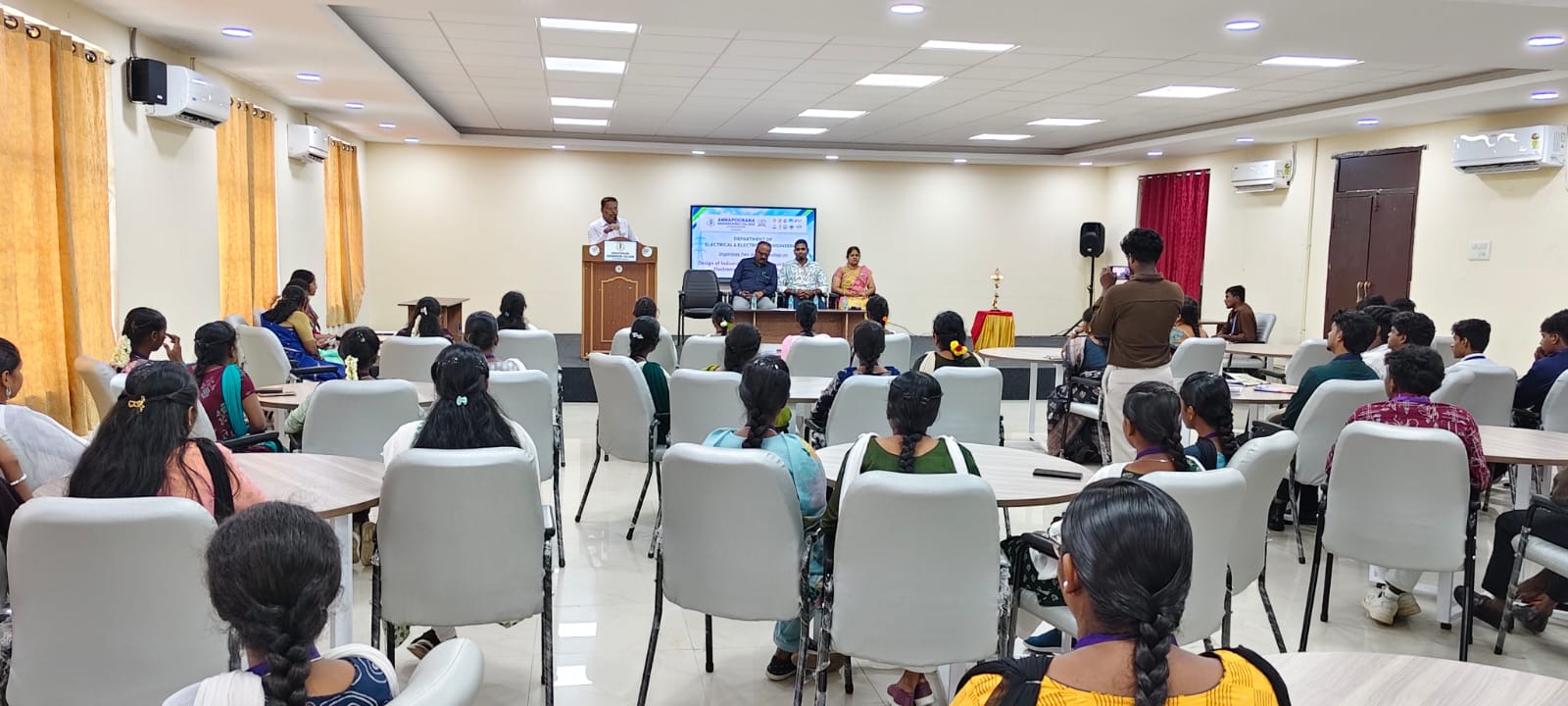
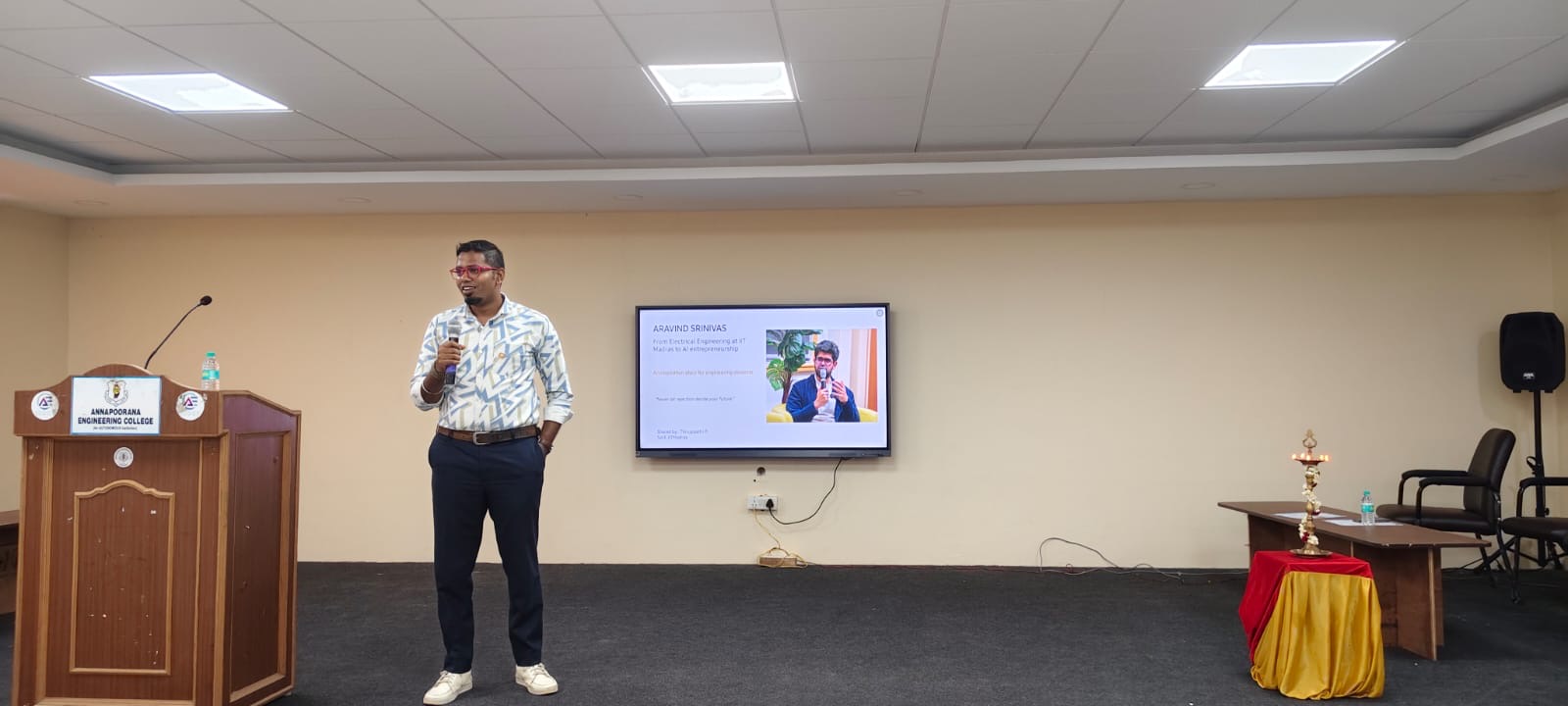
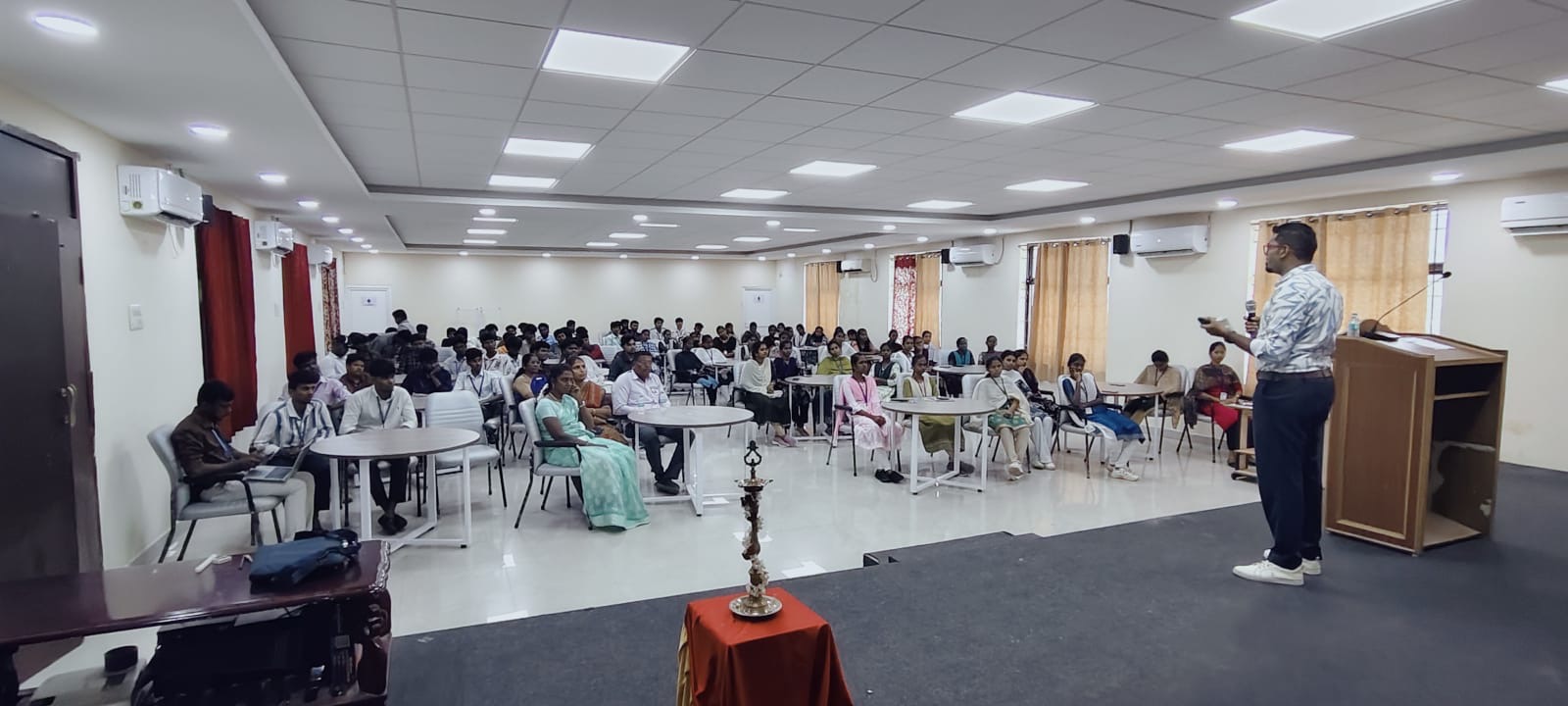
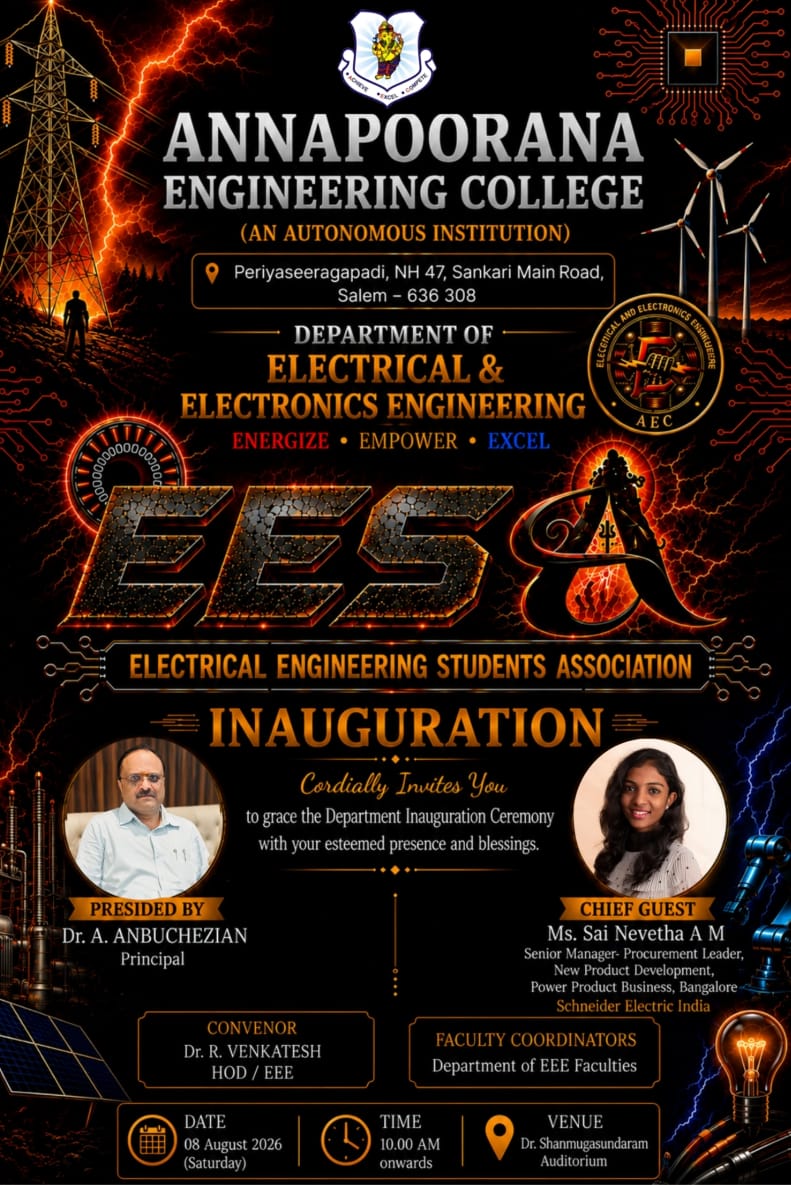
The Department is regularly organizing programs like International Conference, Seminar, Workshop, Guest lecture, Faculty Development Program etc., with the support of various funding agencies. Every year a National level conference is conducted to motivate the PG students.

To be a Centre of Excellence for quality education and research in Electrical and Electronics Engineering.

Engineering Graduates will be able to:
Apply the knowledge of mathematics, natural science, computing, and engineering fundamentals and an engineering specialisation to the solution of complex engineering problems.
Identify, formulate, and analyse complex engineering problems, reaching substantiated conclusions with consideration for the holistic nature of the problem.
Design creative solutions for complex engineering problems and design systems, components, or processes to meet identified needs — with consideration for public health and safety, and cultural, societal, and environmental factors. Sustainability is now intrinsic to design.
Conduct investigations of complex engineering problems using research-based knowledge and research methods, including design of experiments, analysis and interpretation of data, and synthesis of information to provide valid conclusions.
Create, select, and apply appropriate techniques, resources, and modern engineering and IT tools, including prediction and modelling — recognising their limitations — to solve complex engineering problems.
Analyse and evaluate societal and environmental aspects while solving complex engineering problems, considering their impact on sustainability with reference to economy, health, safety, legal frameworks, culture, and the environment.
Apply ethical principles and commit to professional ethics, human values, diversity, and inclusion; and adhere to relevant national and international laws.
Function effectively as an individual, and as a member or leader in diverse and multi-disciplinary teams.
Communicate effectively and inclusively within the engineering community and with society at large — comprehending and writing effective reports and design documentation, and making effective presentations — considering cultural, language, and learning differences.
Apply knowledge and understanding of engineering management principles and economic decision-making, and apply these to one's own work, as a member and leader in a team, to manage projects in multi-disciplinary environments.
Recognise the need for, and have the preparation and ability for, independent and life-long learning, adaptability to new and emerging technologies, and critical thinking in the broadest context of technological change.
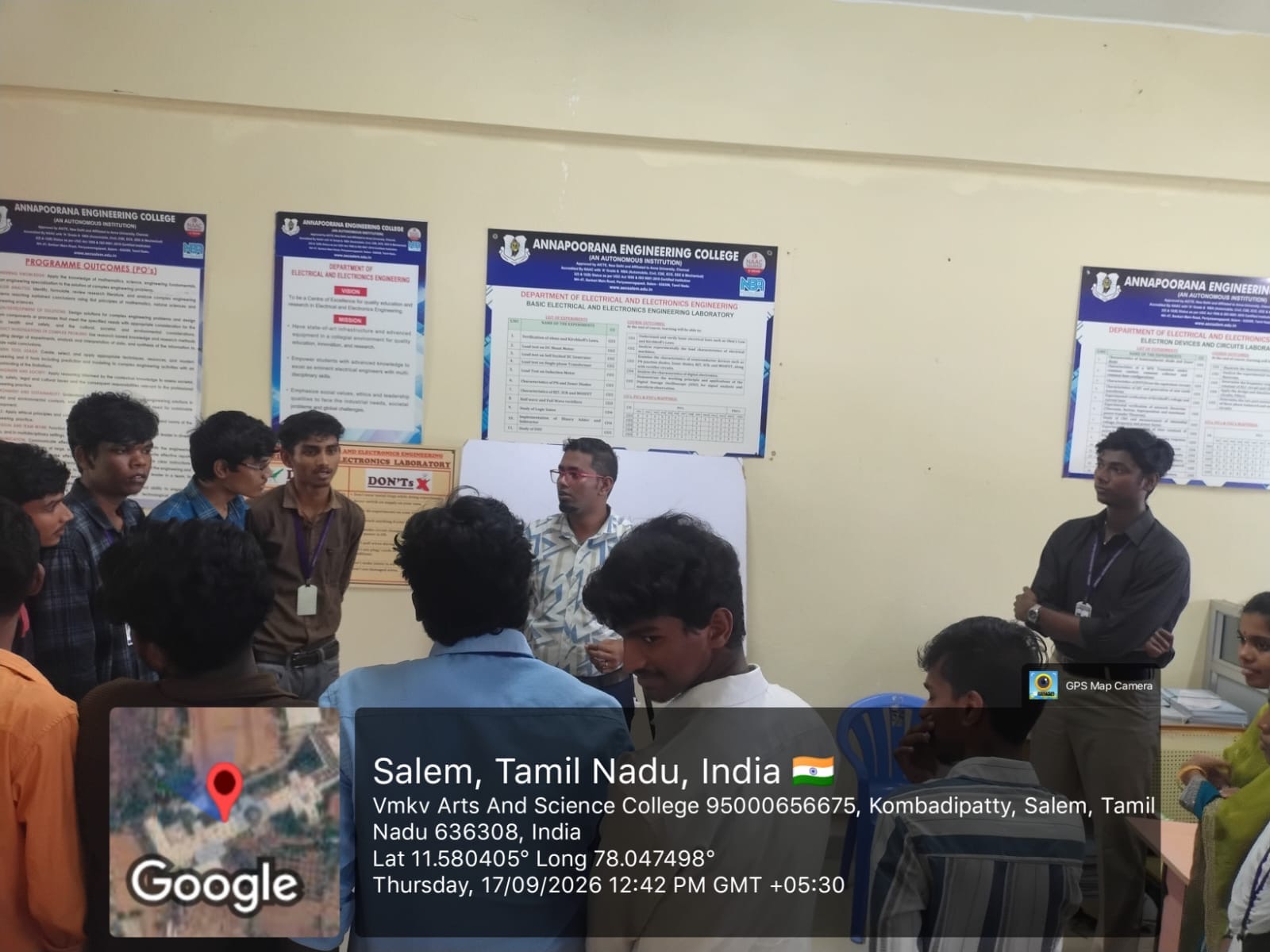
State-of-the-art laboratories equipped with modern instruments for hands-on learning.
The Electrical Drives Laboratory is designed to provide students with practical knowledge and hands-on experience in controlling and analyzing electrical machines using modern drive systems. It bridges the gap between theoretical concepts and real-world industrial applications.
The lab is equipped with devices like DC motors, induction motors, synchronous motors, power electronic converters, inverters, rectifiers, and microcontroller/PLC-based control systems. Students also learn to use measuring instruments such as voltmeters, ammeters, tachometers, and digital controllers to monitor and evaluate system performance.
The Power Electronics and Drives Laboratory is designed to provide students with practical knowledge and hands-on experience in the field of power electronic converters and electric drive systems. This laboratory bridges the gap between theoretical concepts and real-world applications in electrical engineering.
The lab is equipped with modern experimental setups such as rectifiers, inverters, choppers, AC voltage controllers, and motor drive systems. Students perform experiments to understand the operation, control, and performance characteristics of various power electronic circuits and electrical drives.
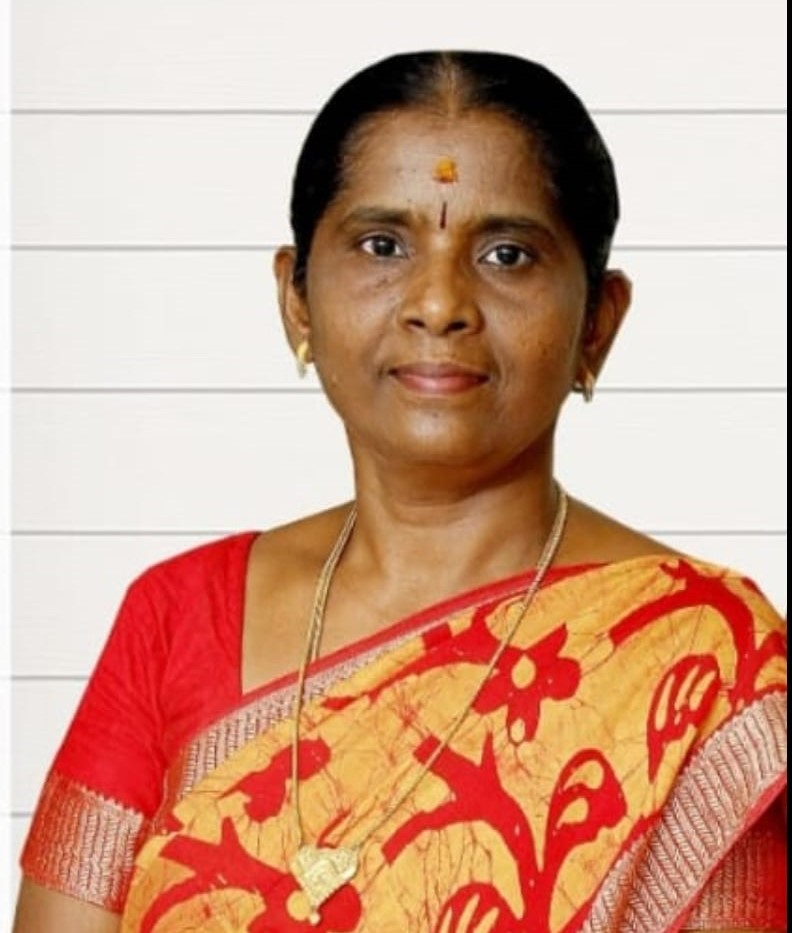
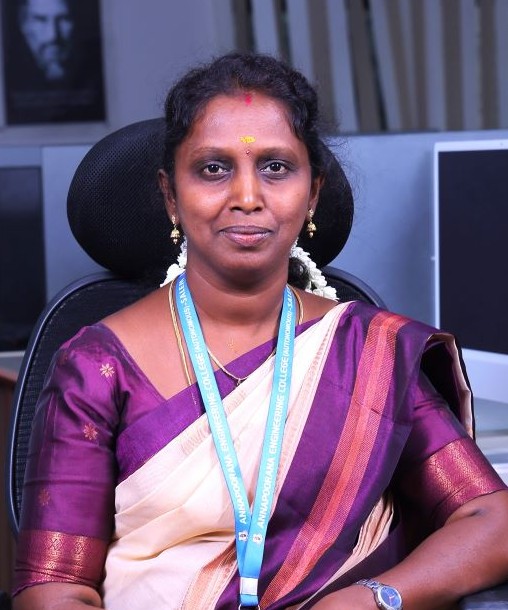
| S.No | AU - FIN | AICTE ID | Name & Designation | Photo |
|---|---|---|---|---|
| 1 | 2657521967 | 1-13561099196 |
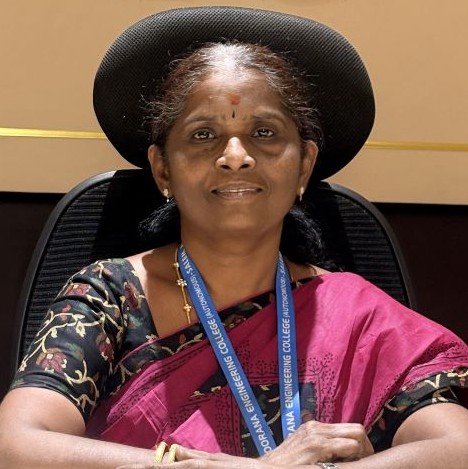
Dr. S. M. Kamali
Professor
|
|
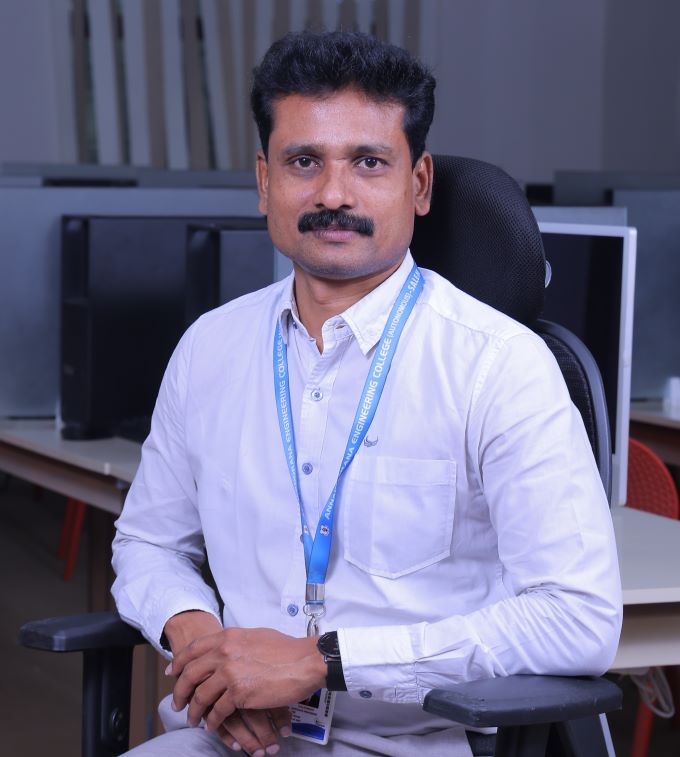
| 2 | 2656641979 | 1-43758246578 |
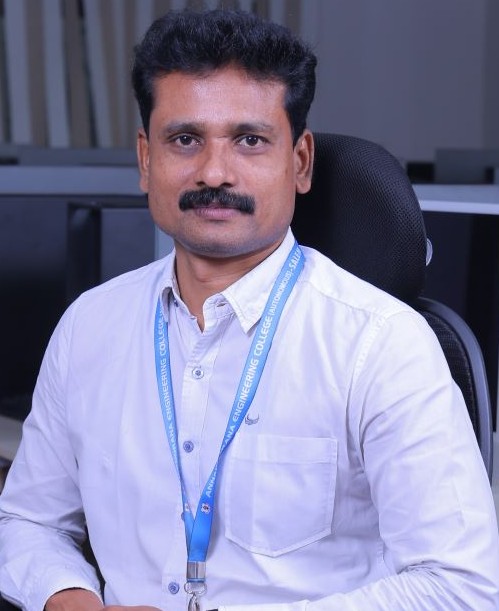
Dr. K. Kannan
Associate Professor
|
|
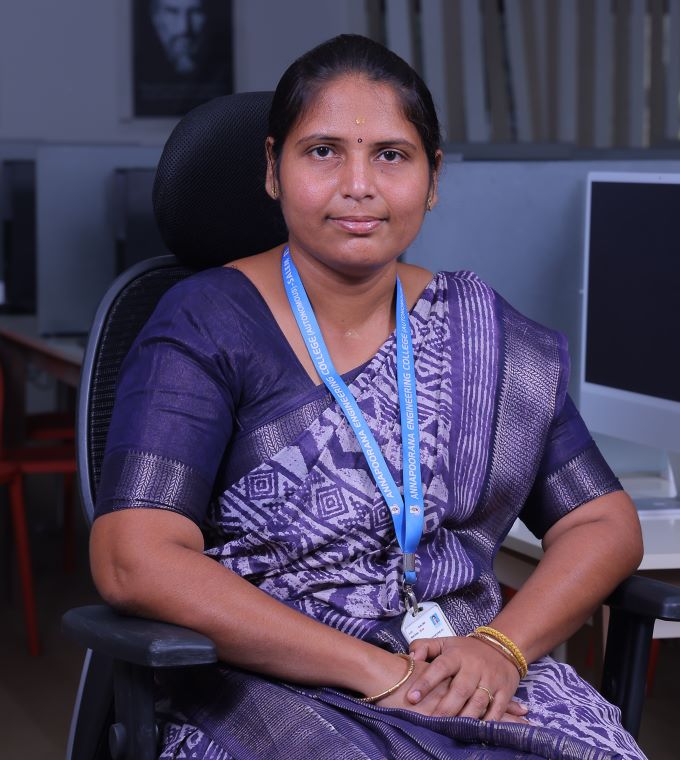
| 3 | 2651441990 | 1-2185949183 |
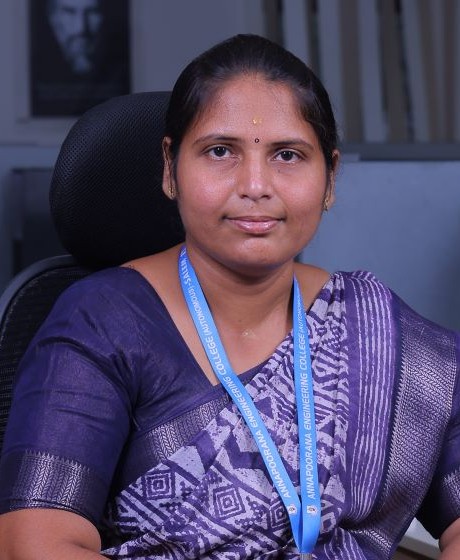
Mrs. M. Prabha
Assistant Professor
|
|
| 4 | 2613351984 | 1-3568652593 |
Mrs. P. Ganga
Assistant Professor
|
|
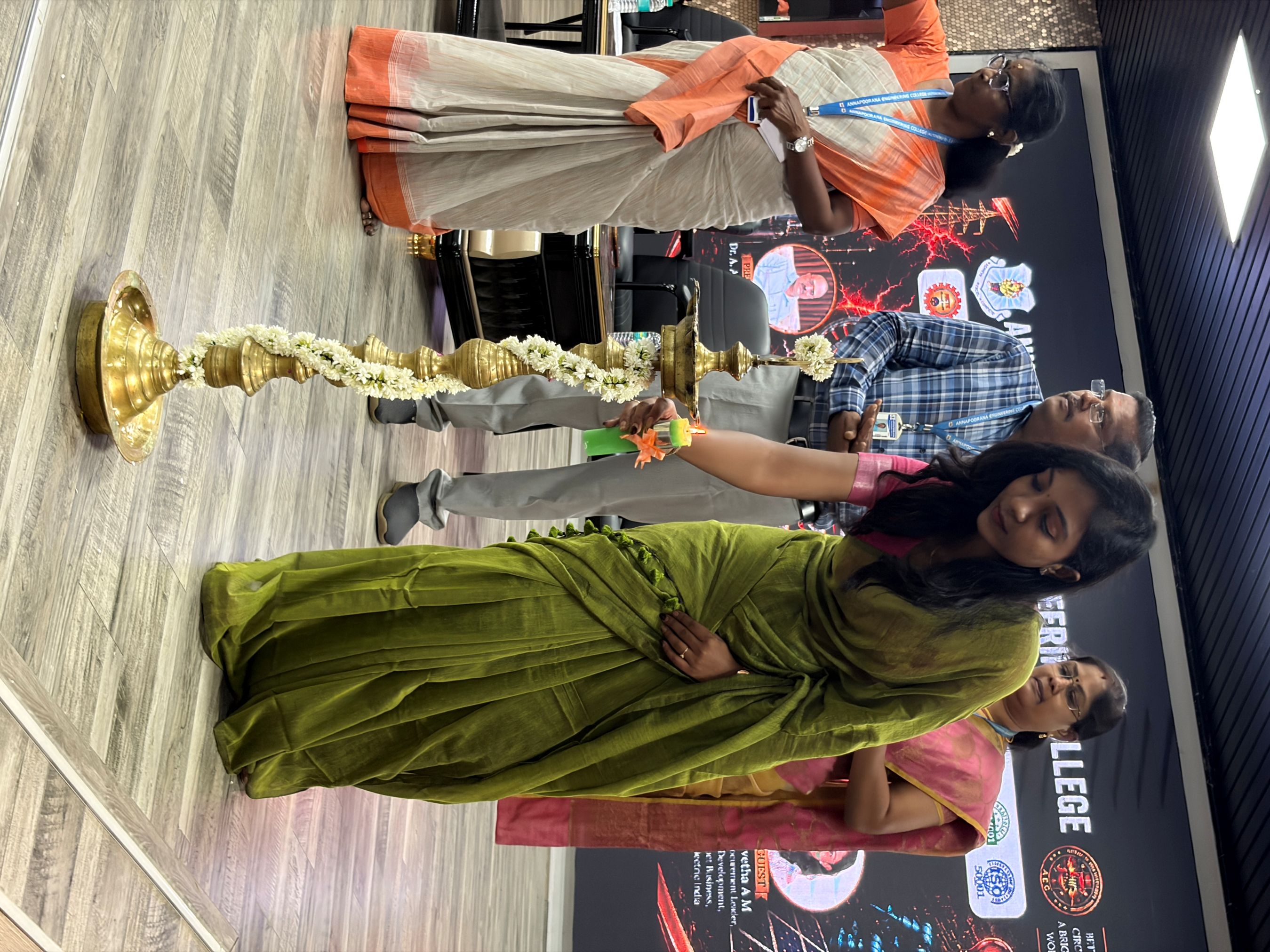
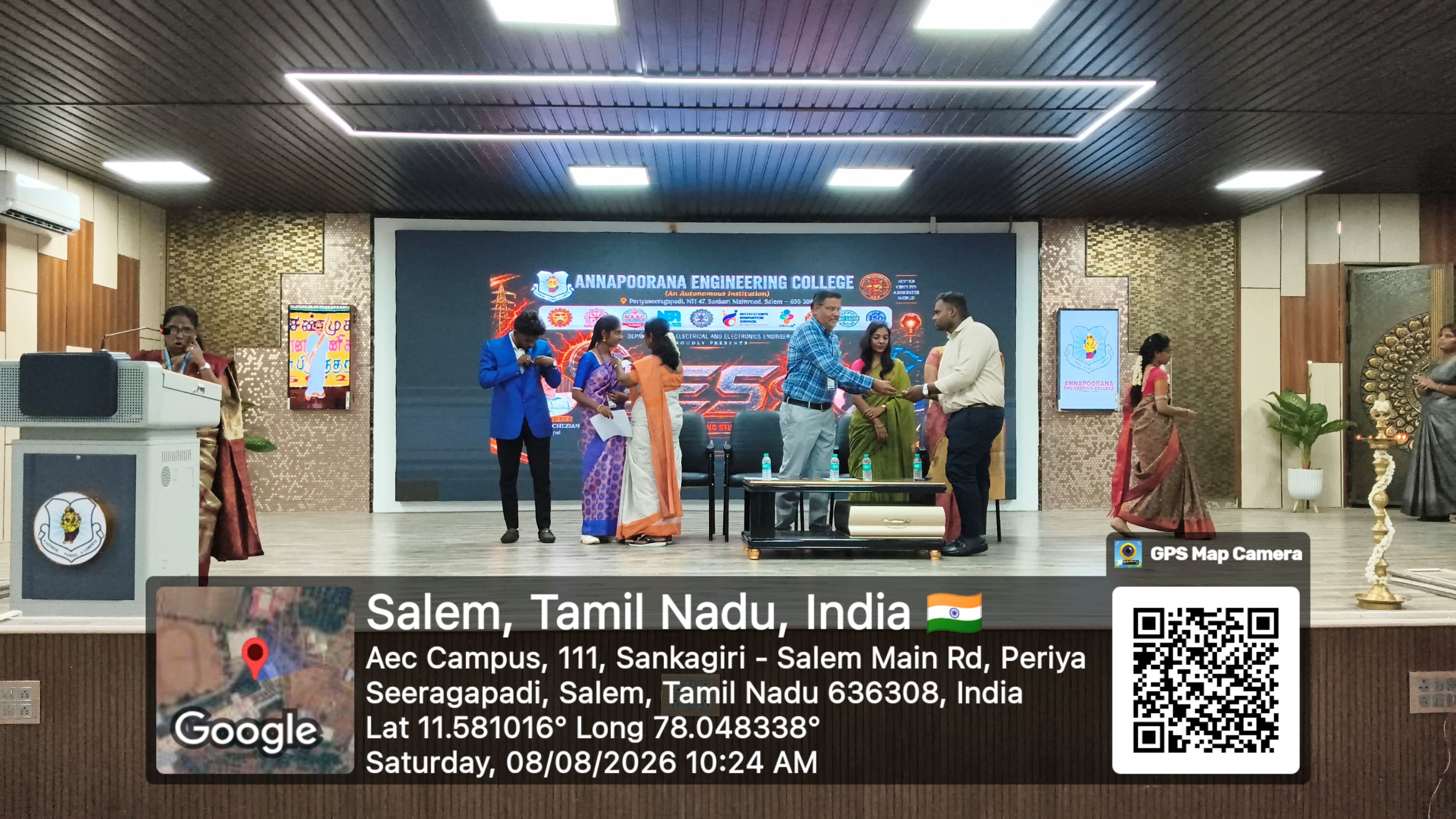
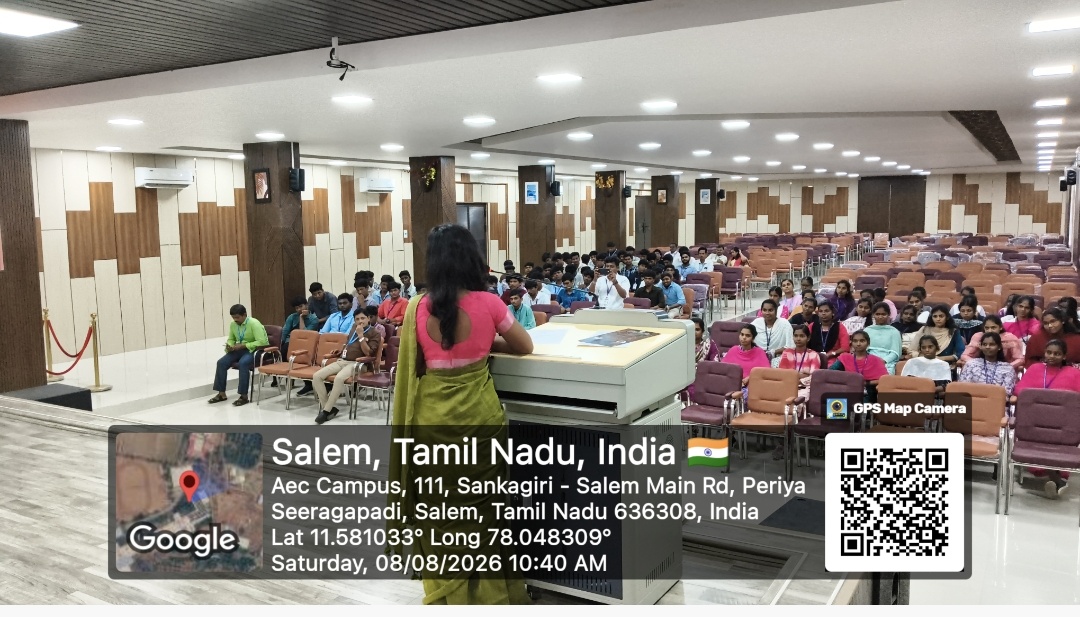
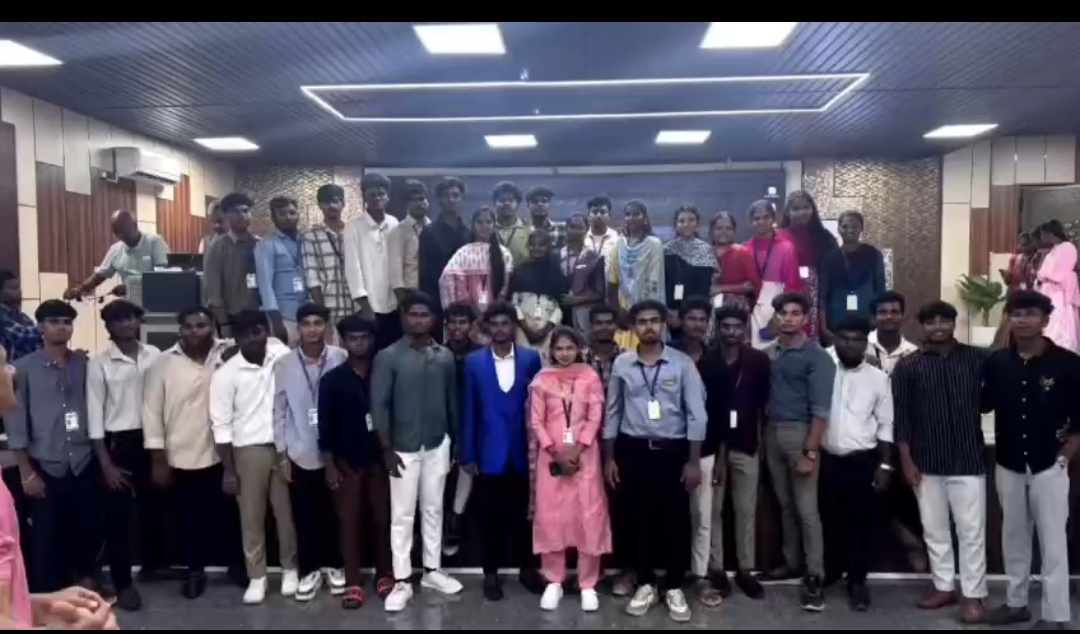
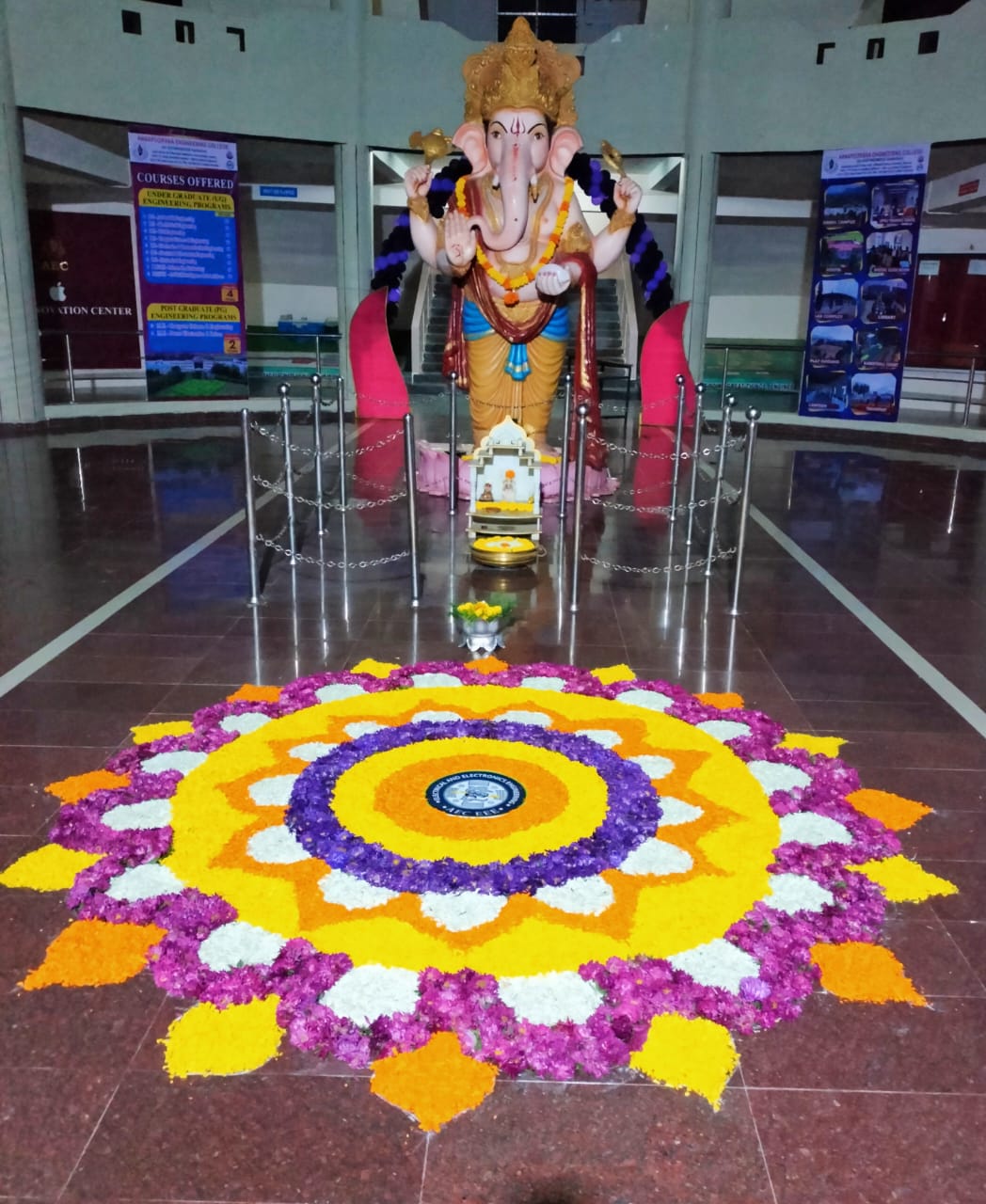
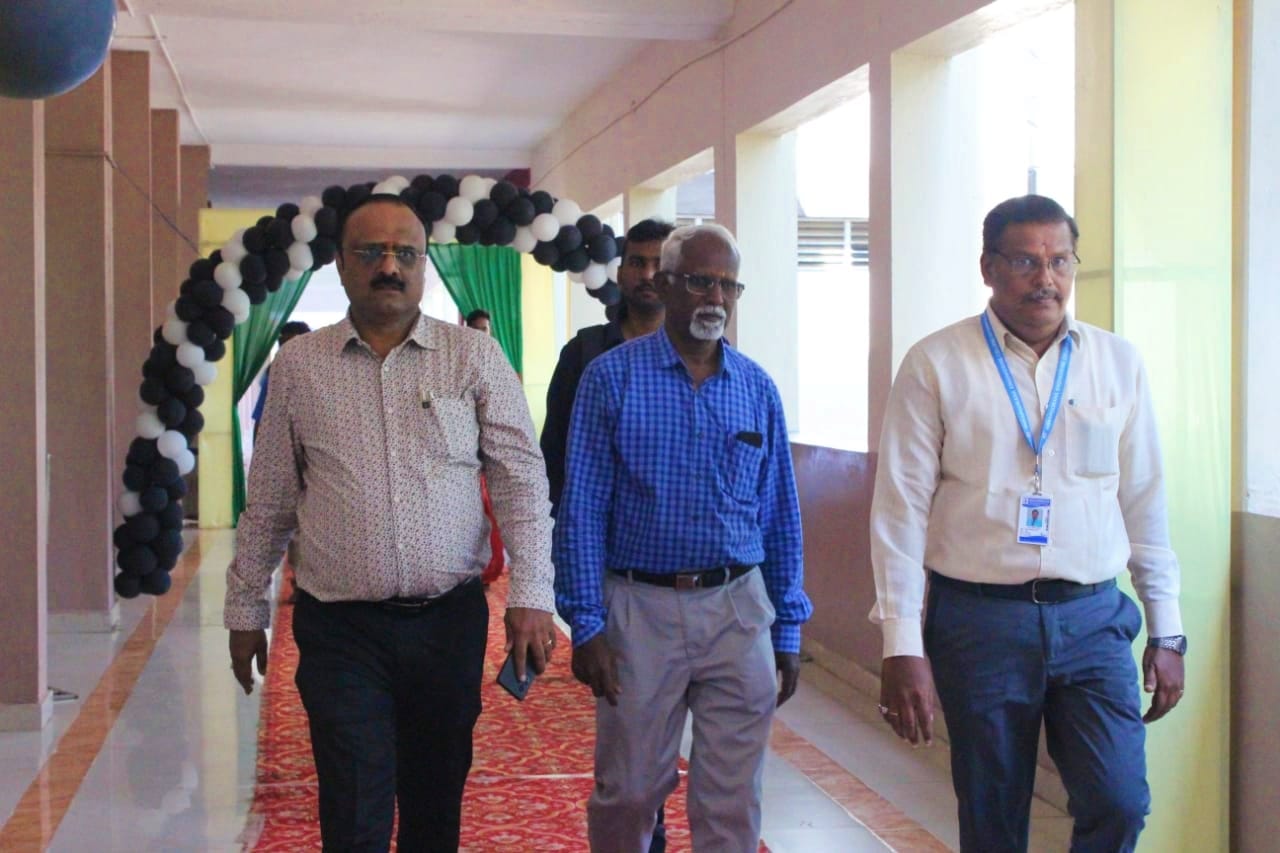
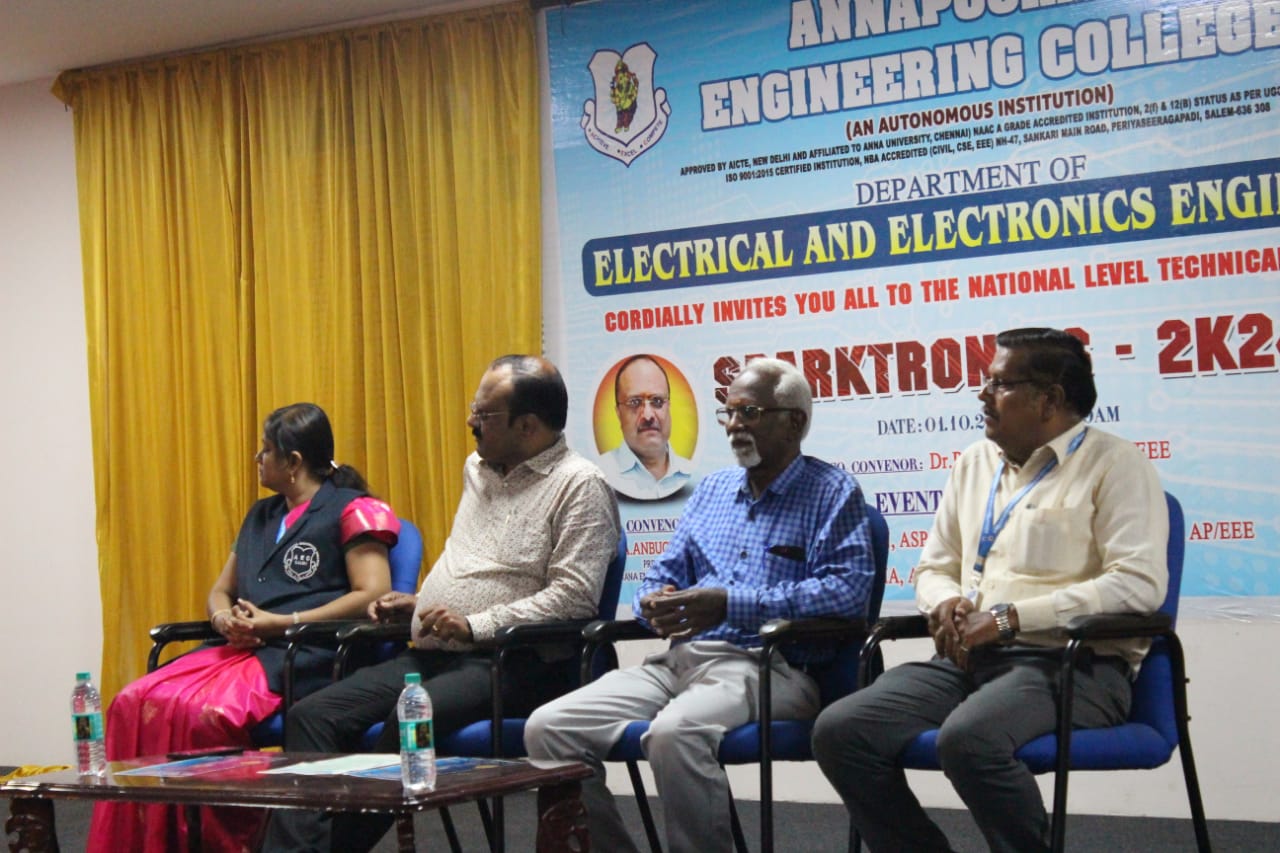
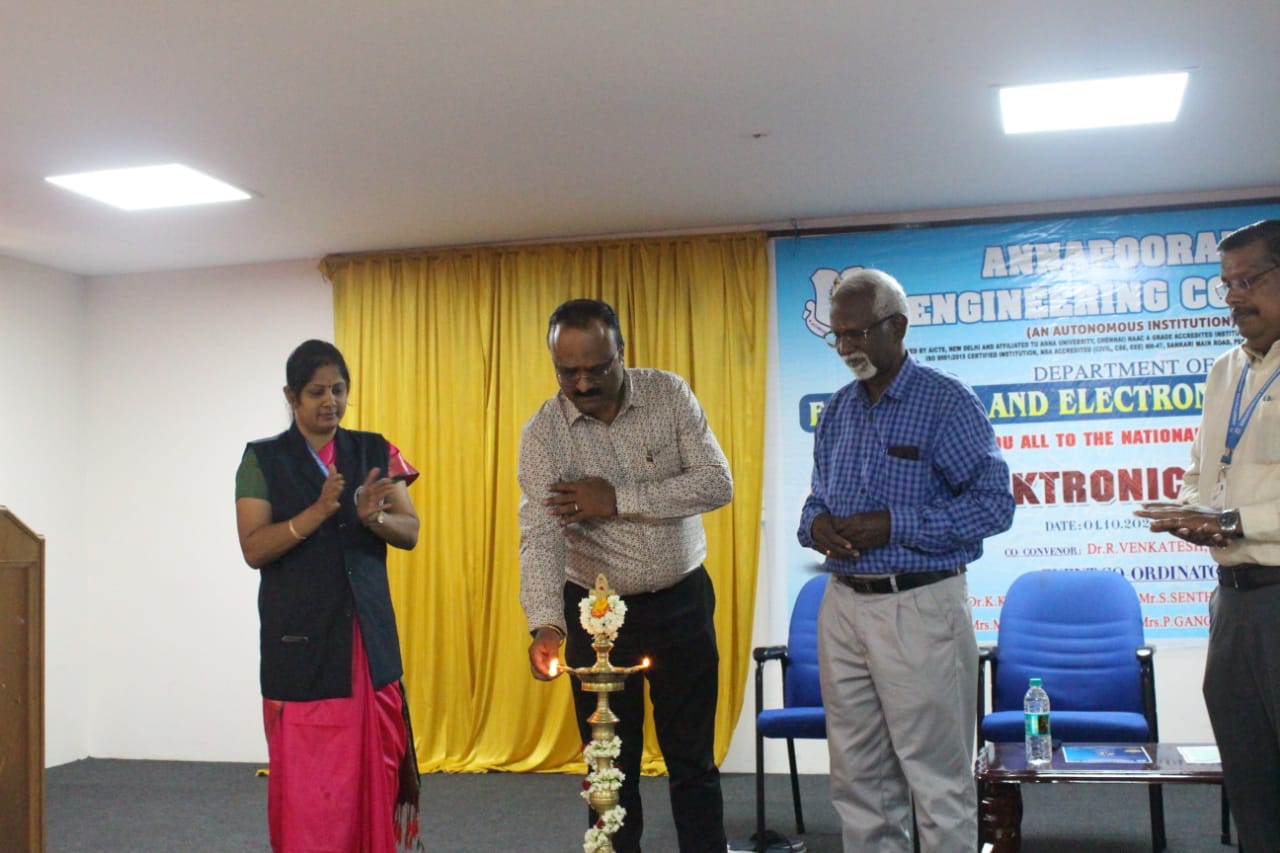
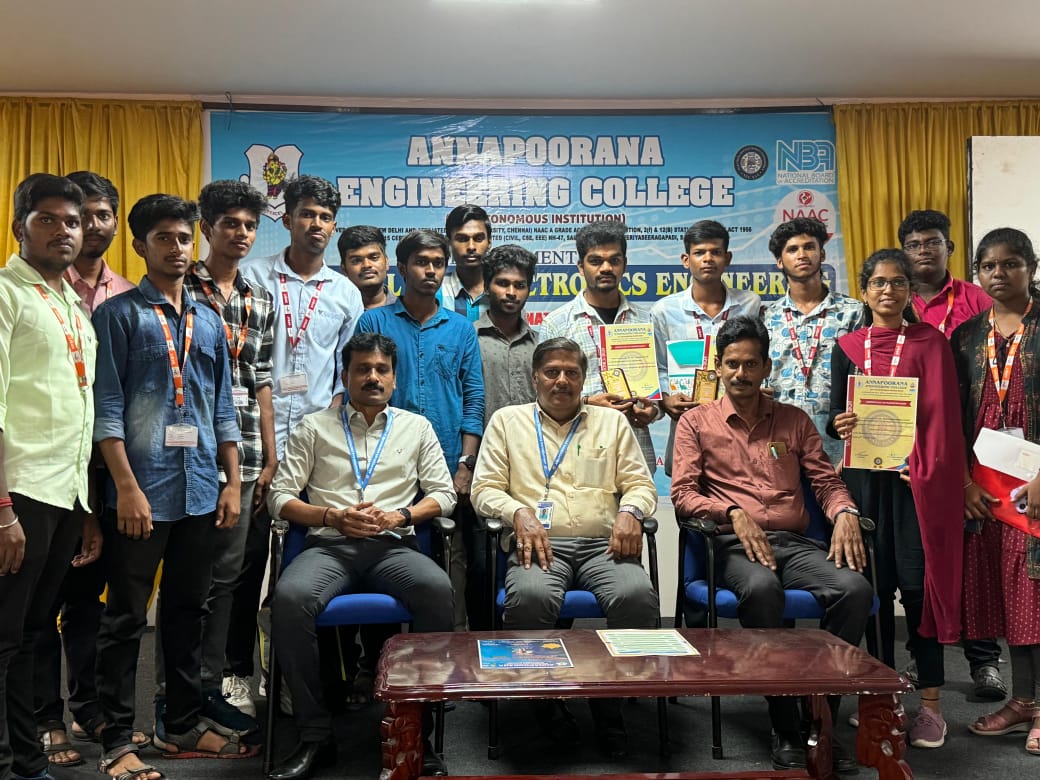
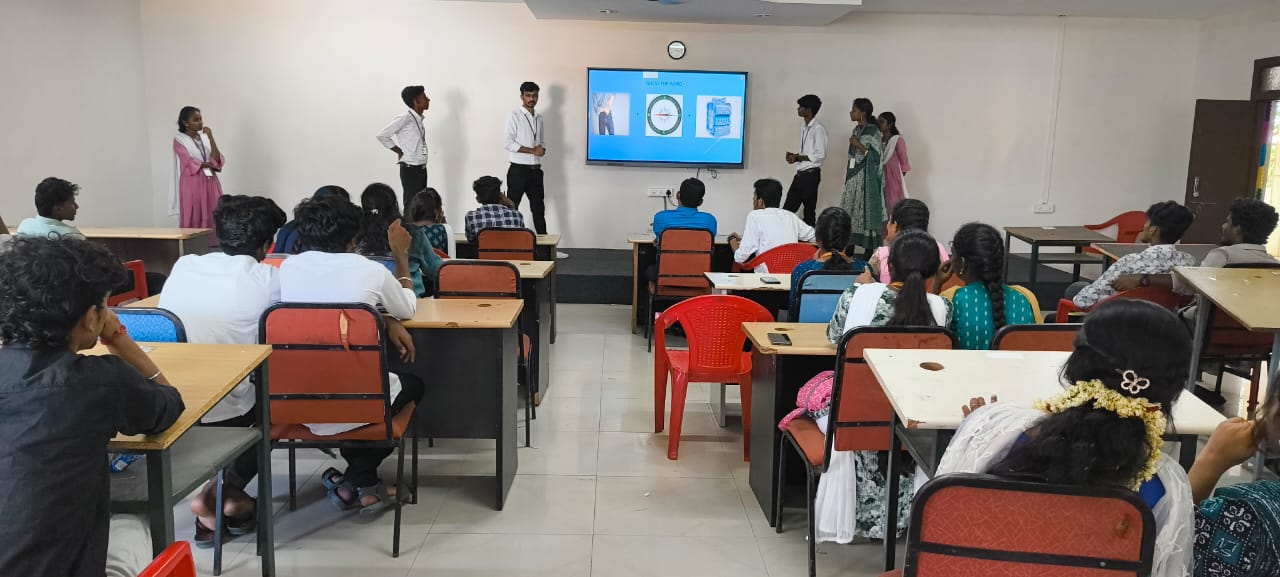
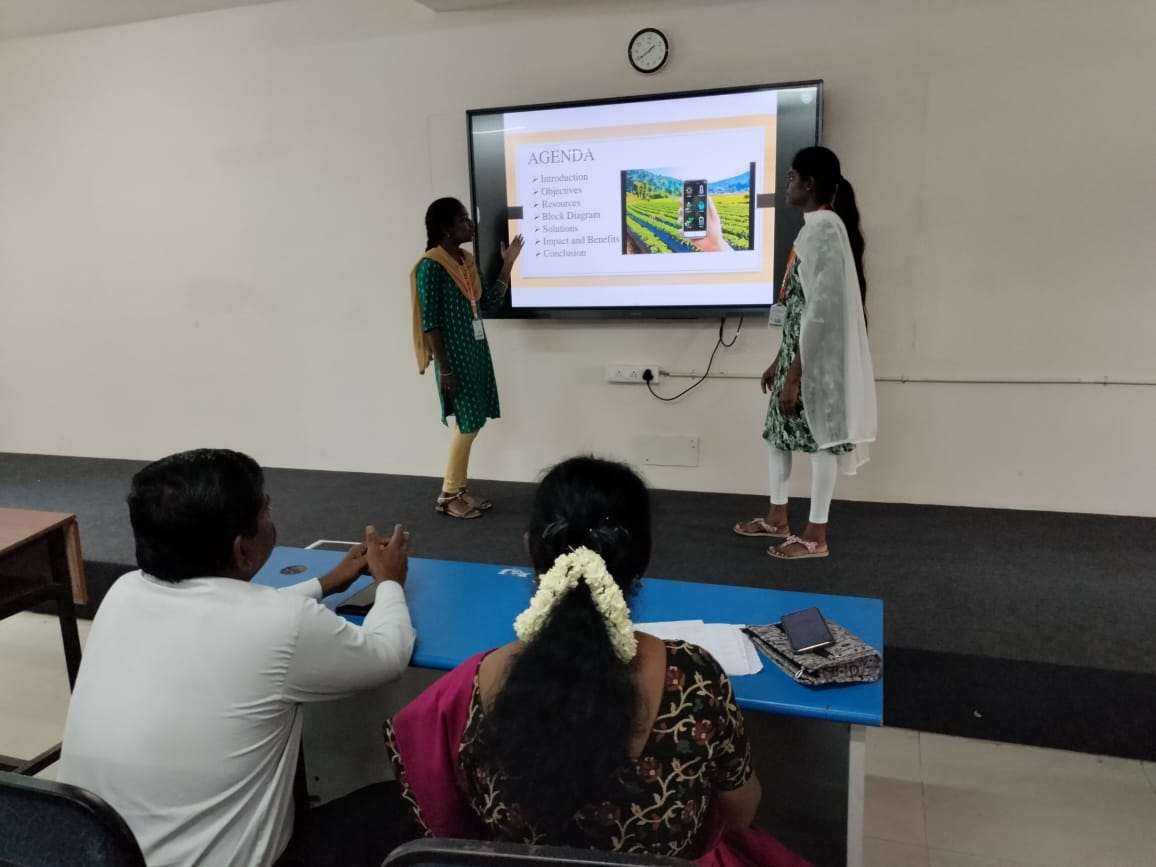
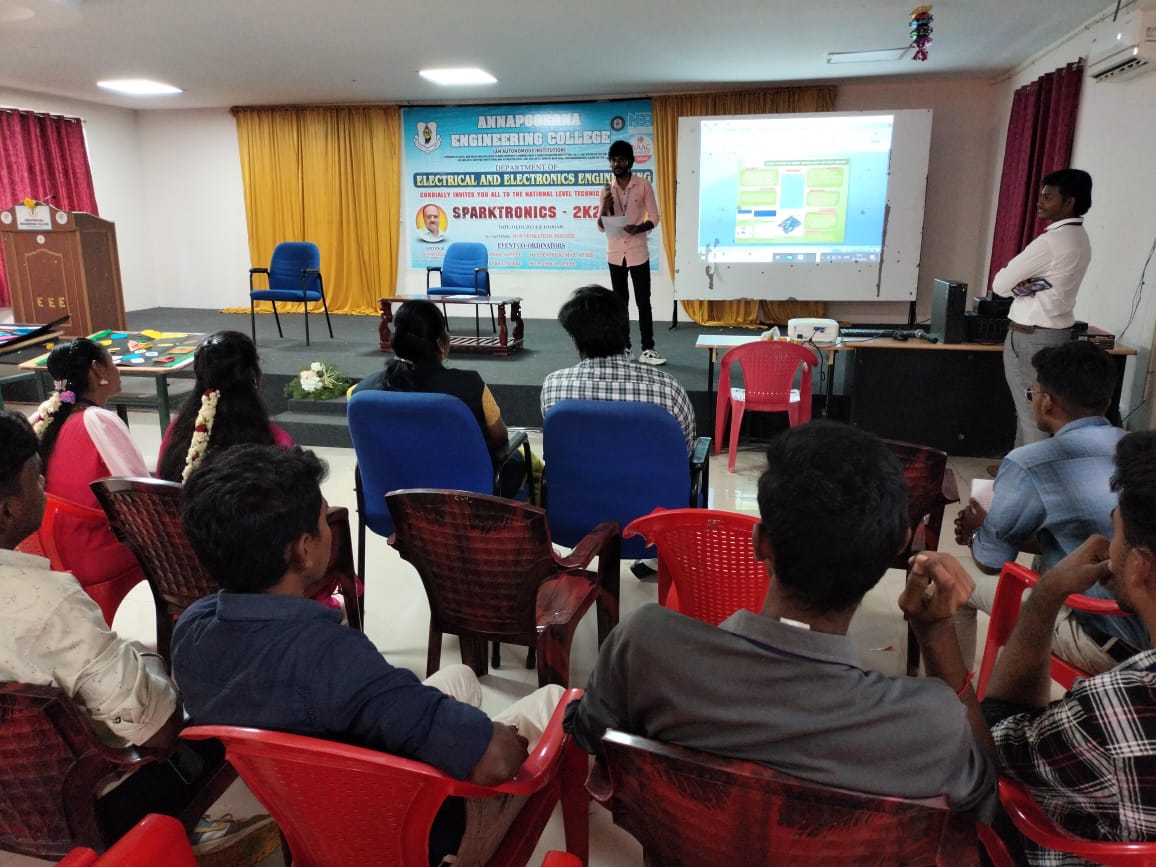
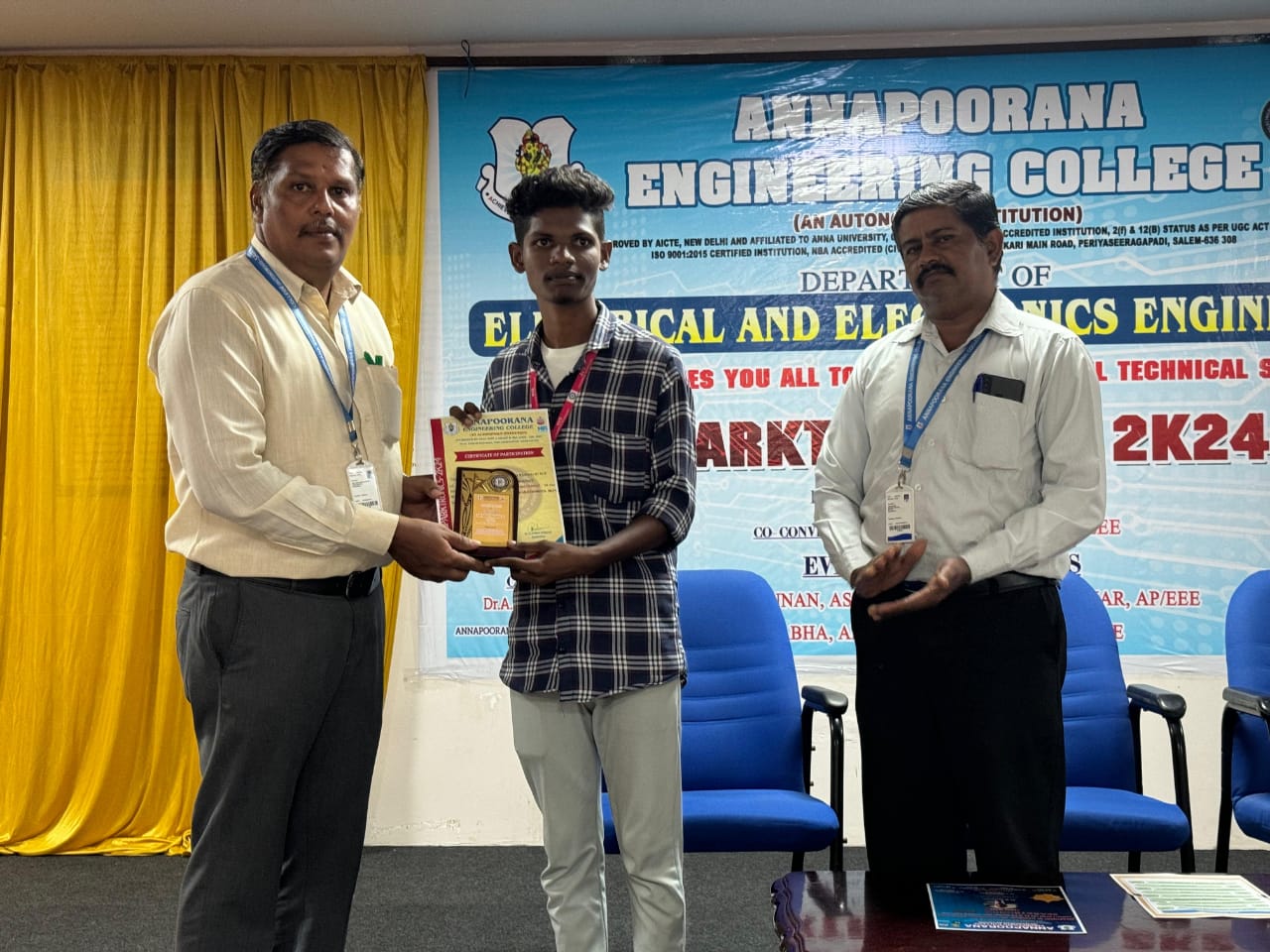
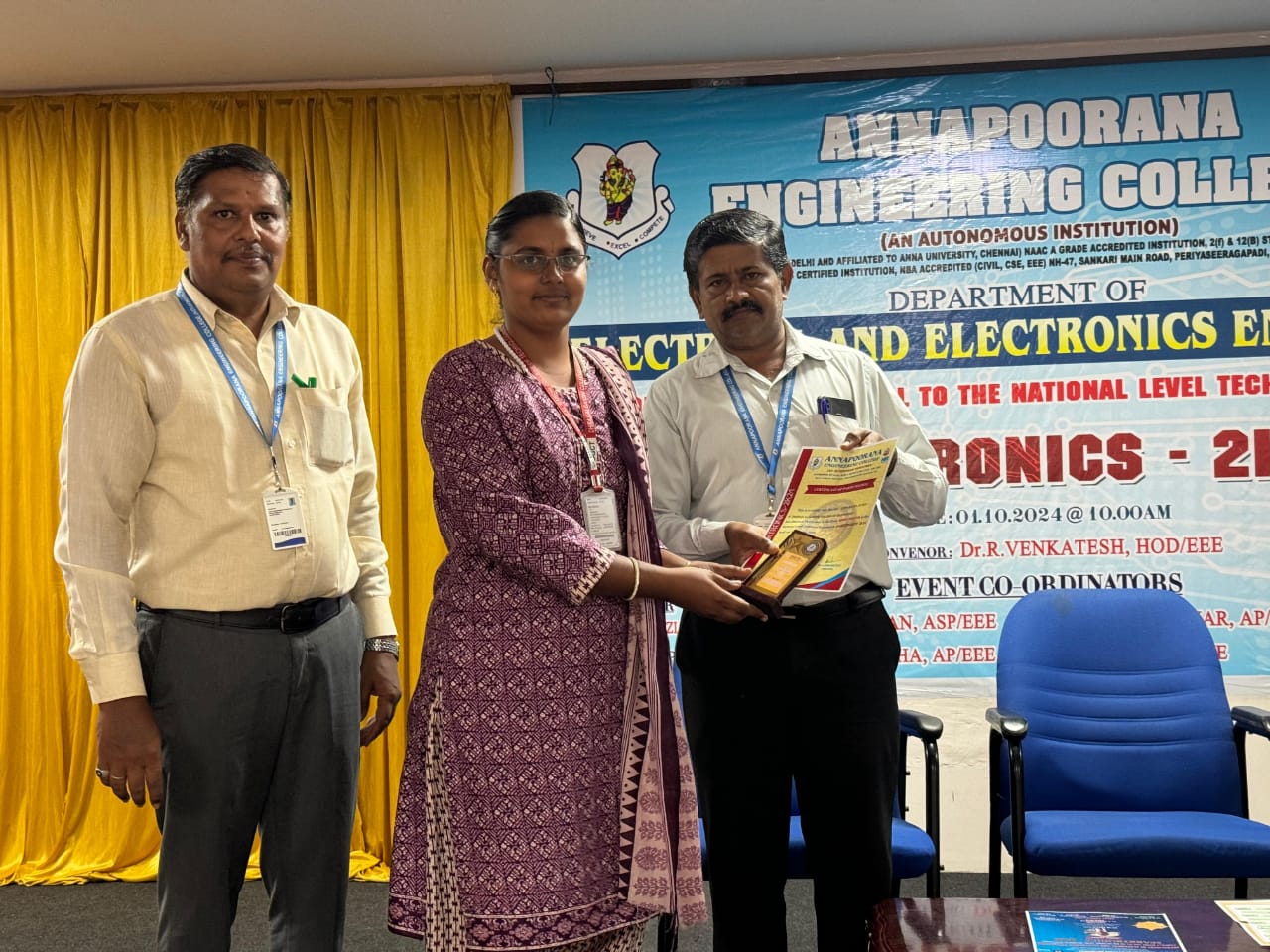
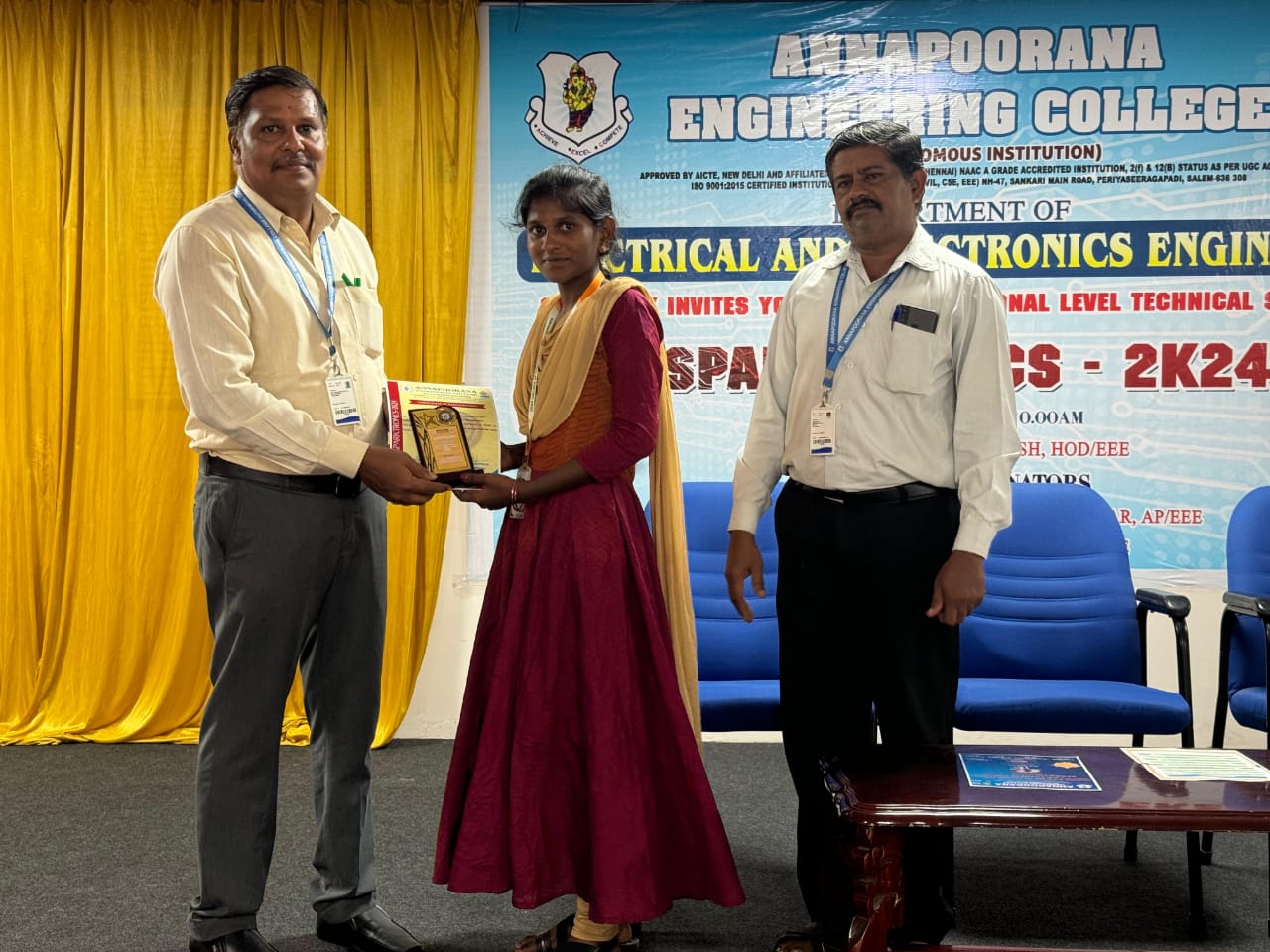
Glimpses of activities, workshops, symposiums, and achievements.
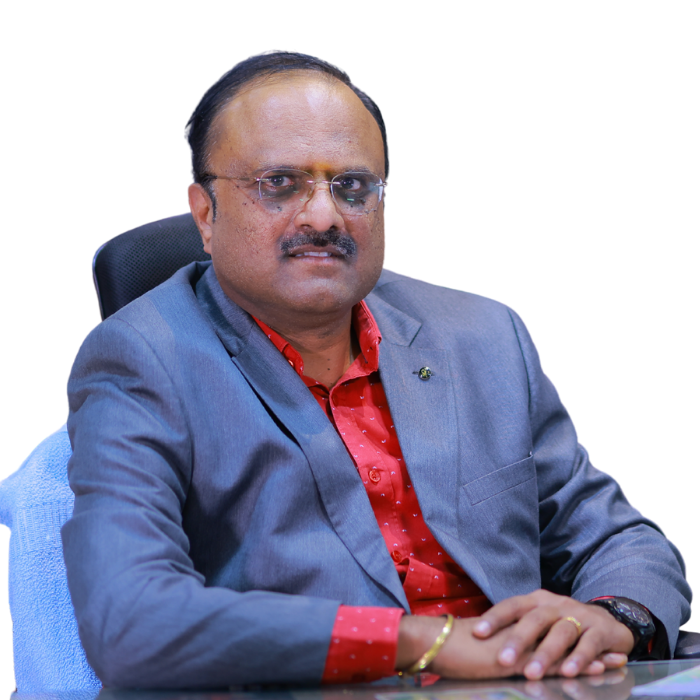
Reach out to the Head of the Department.
M.E., Ph.D.
| Degree | Institute/Organisation | Specialisation | Year Of Passing |
|---|---|---|---|
| Ph.D | Anna University | Structural Engineering | 2005 |
| M.E | Anna University | Structural Engineering | 2002 |
| B.E. | Anna University | Civil Engineering | 2000 |
Content coming soon...
Content coming soon...
Content coming soon...
Content coming soon...
Content coming soon...
Content coming soon...