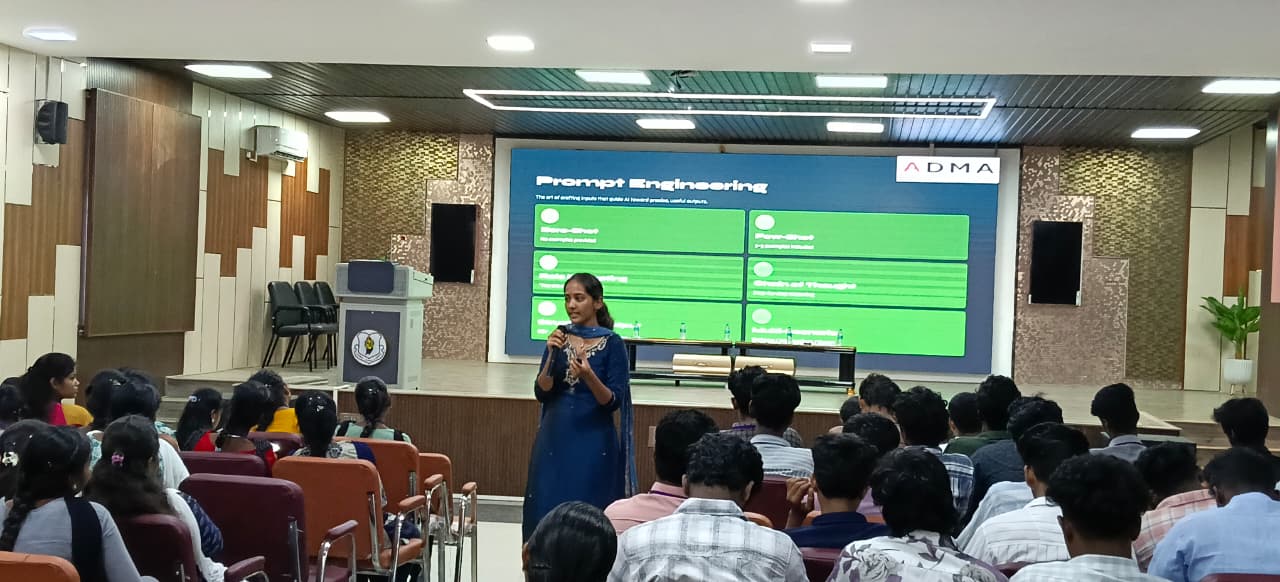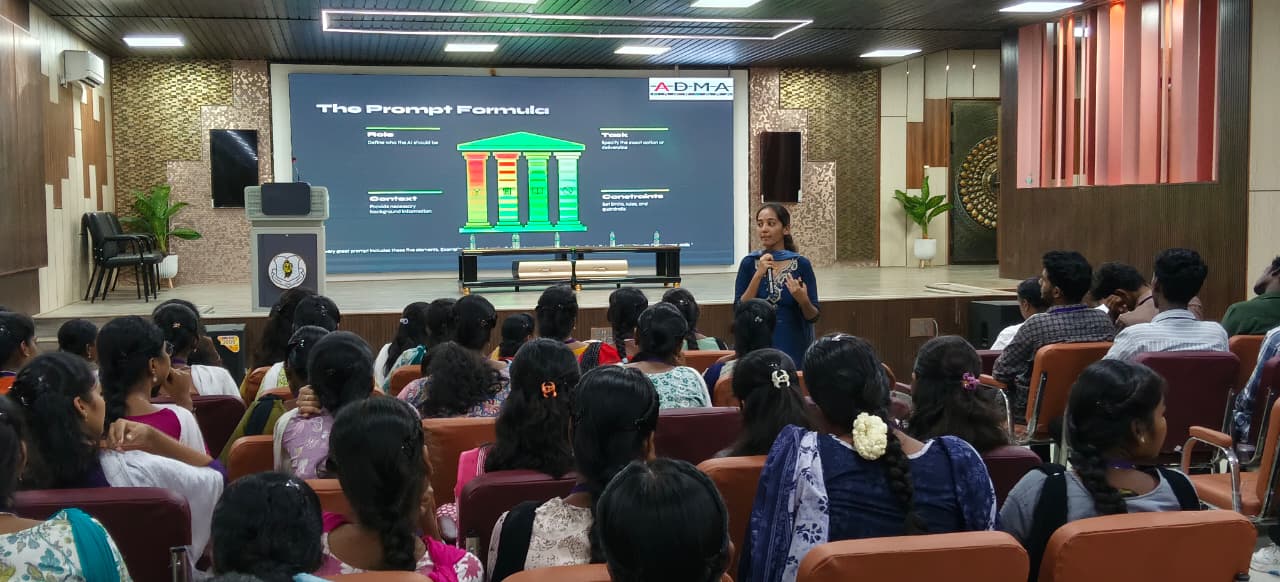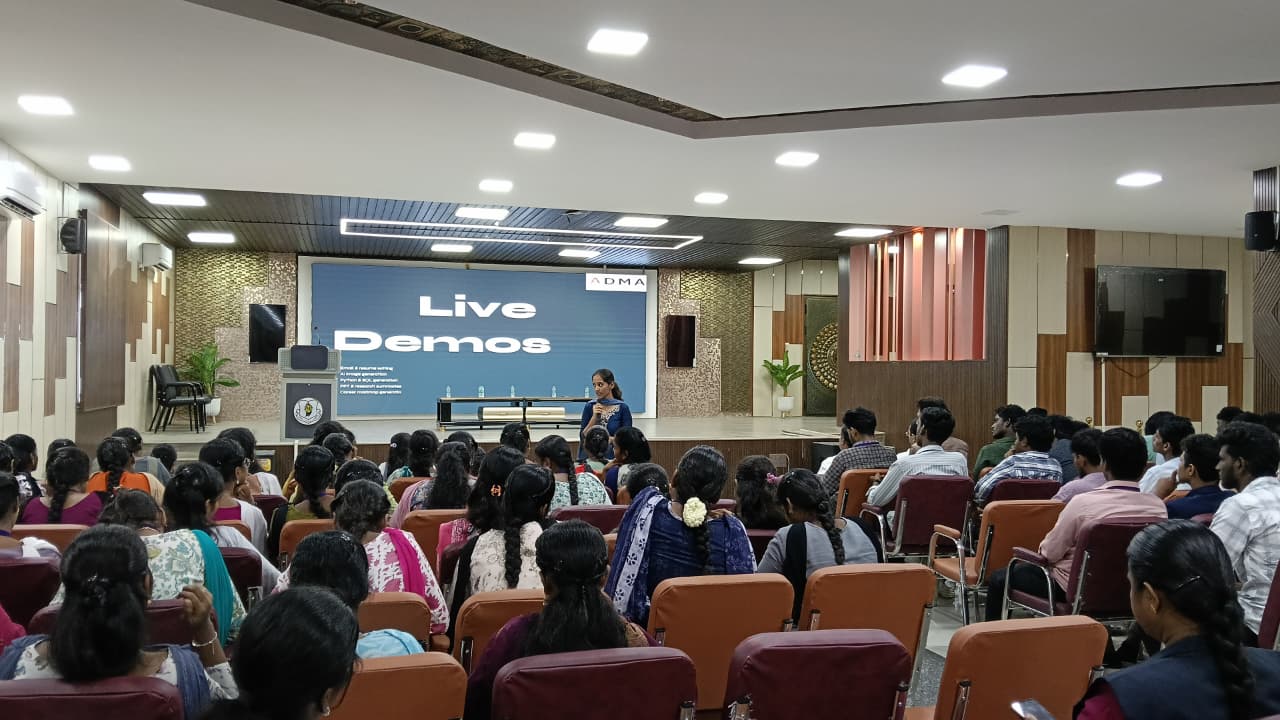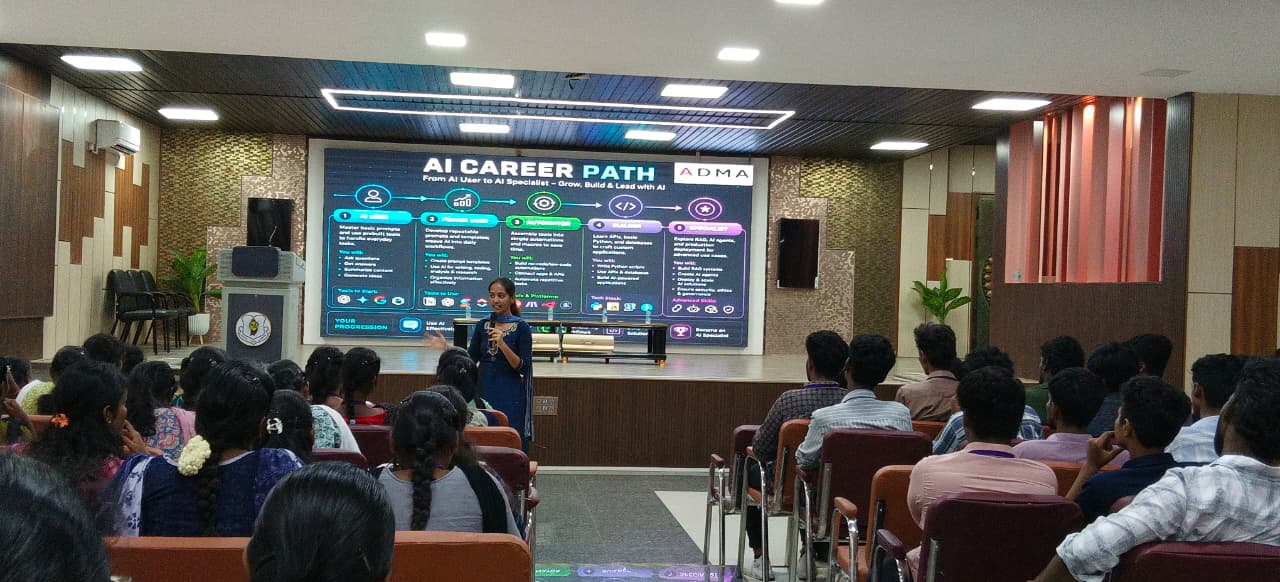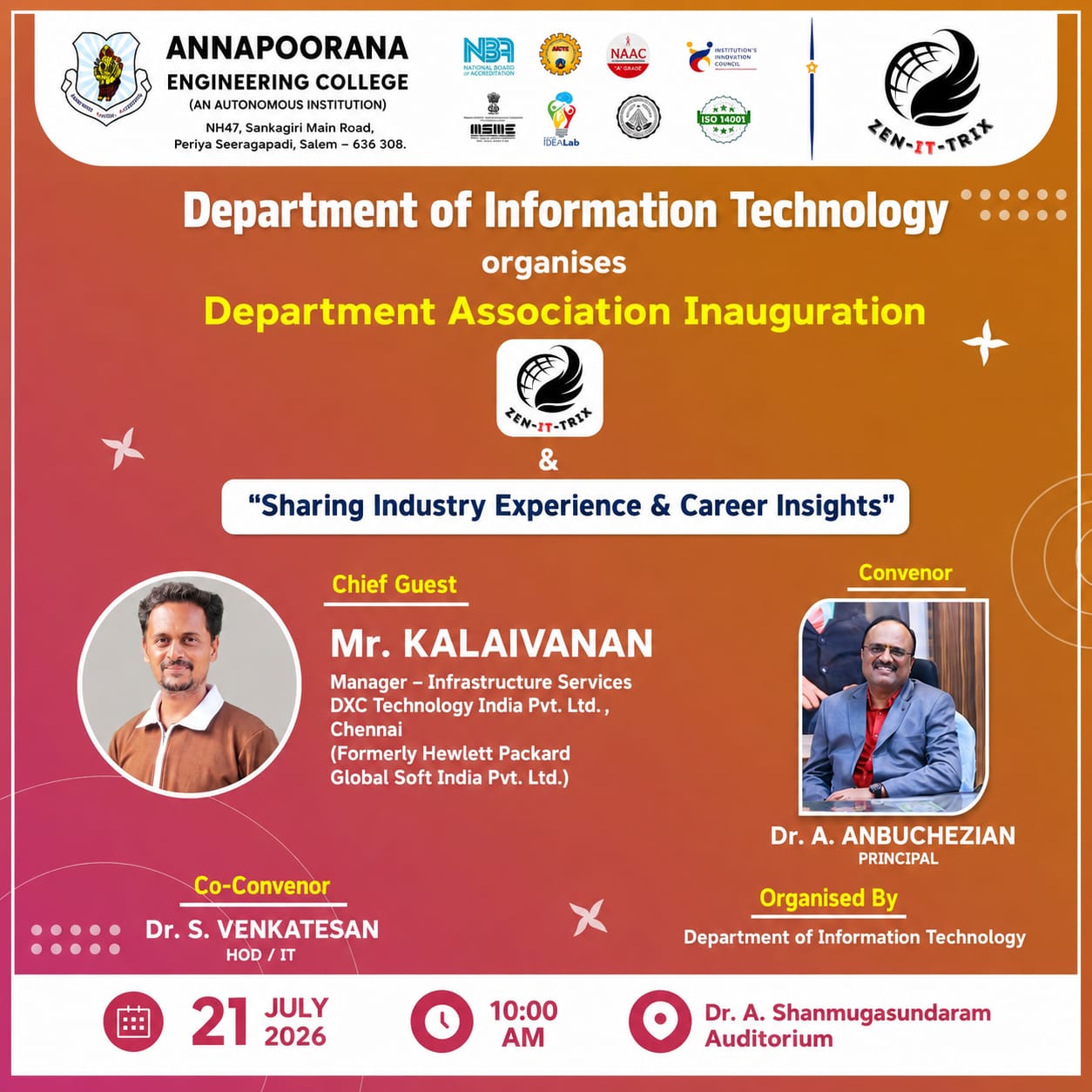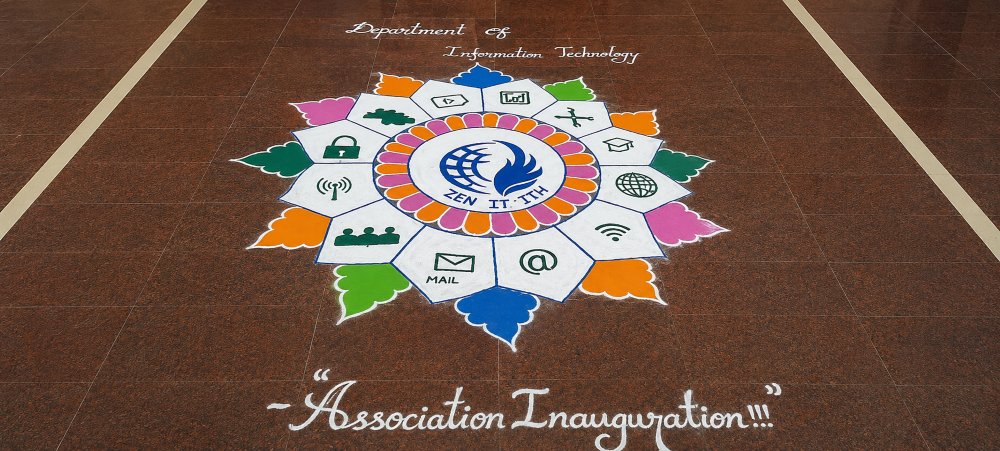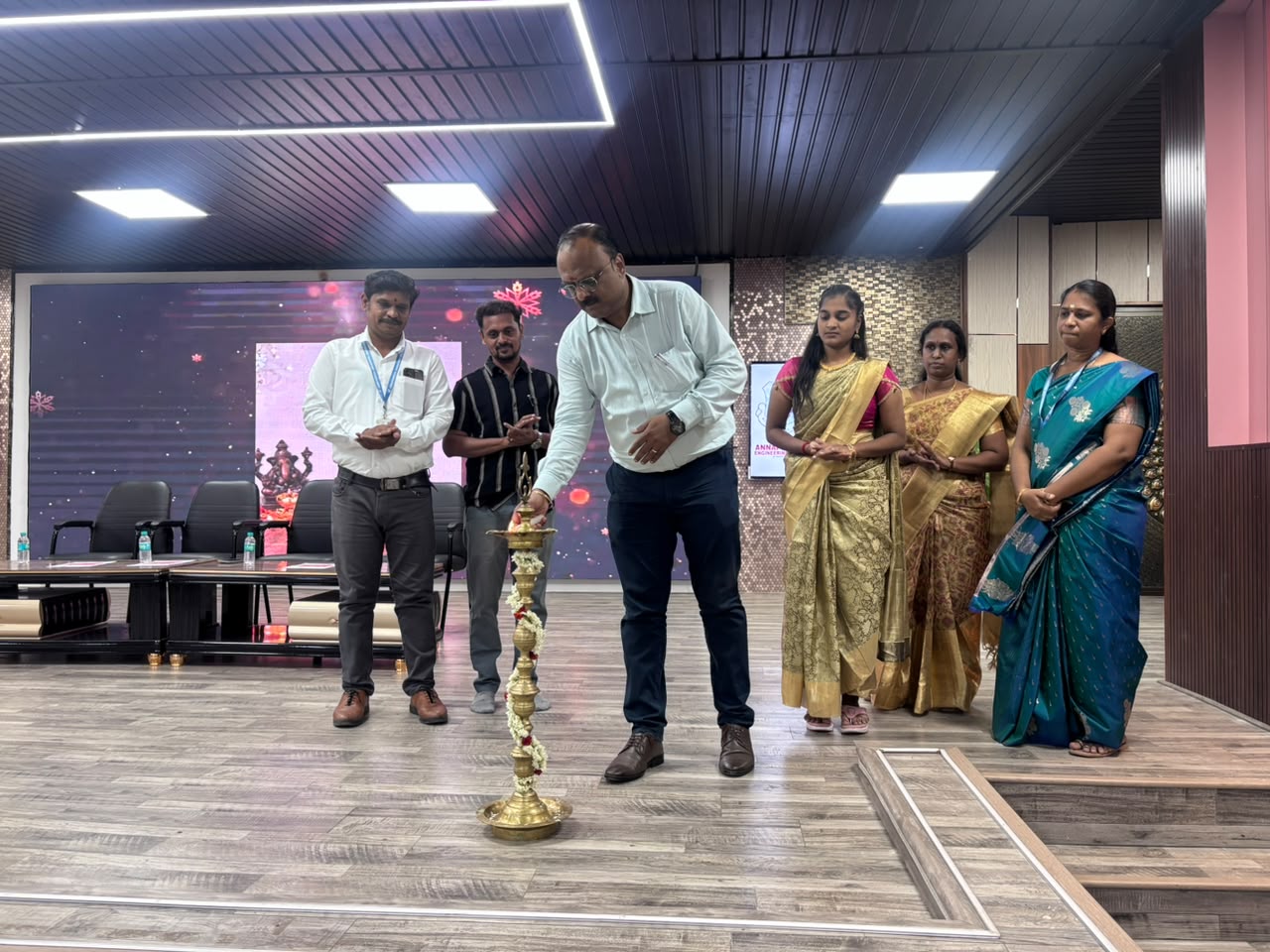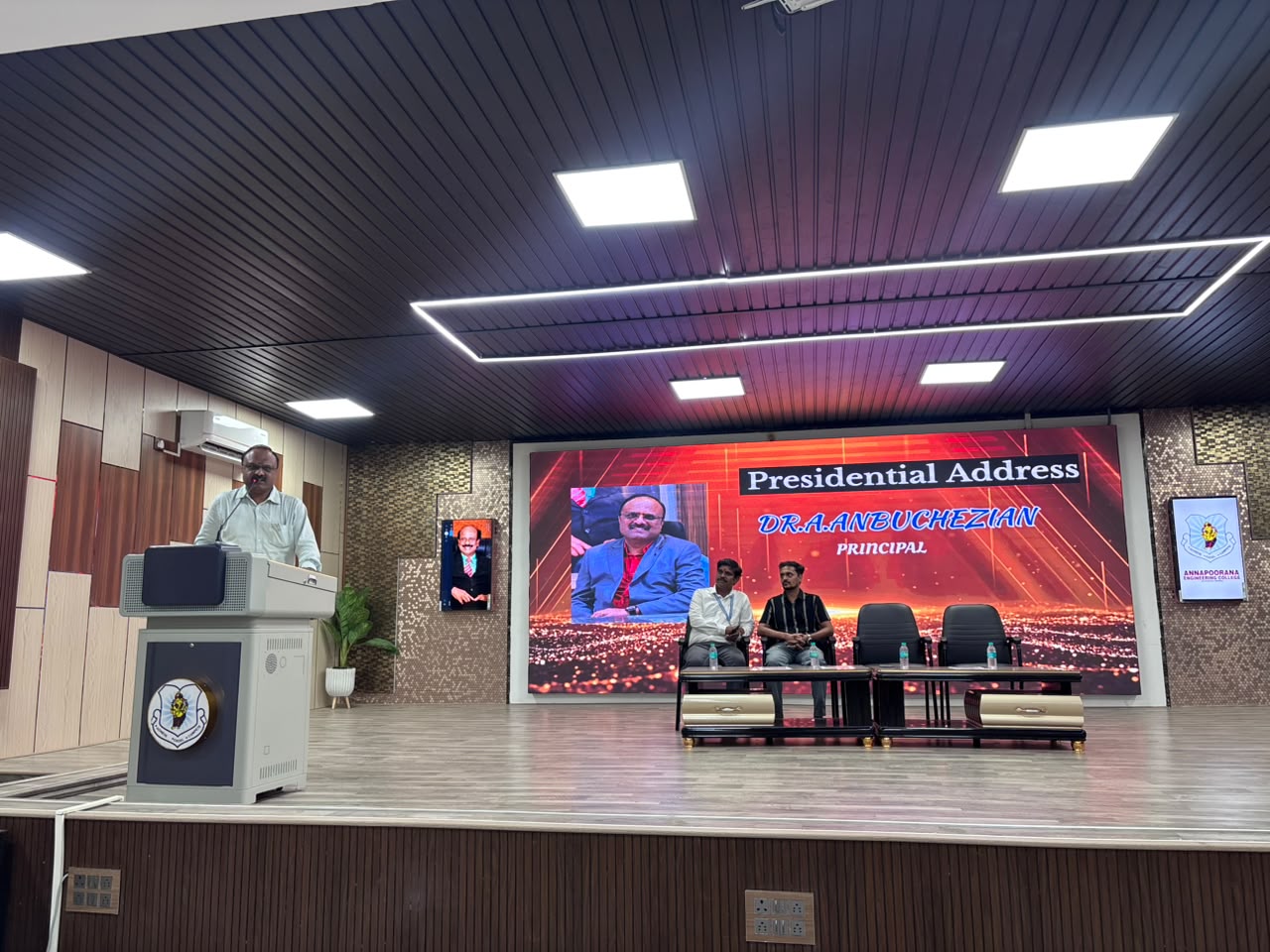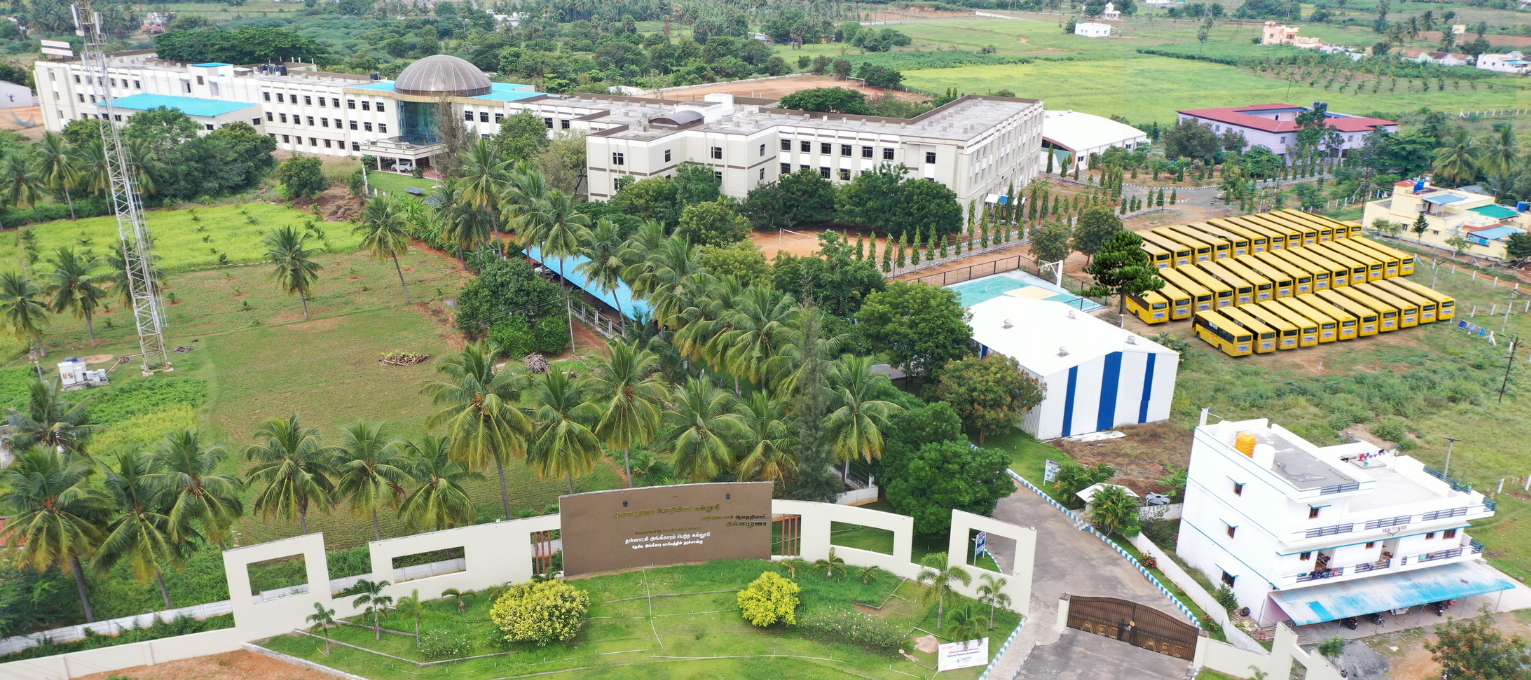
The Department of Information Technology was established
in 2023
with the objective of fostering academic excellence and nurturing innovation.
The department provides a vibrant learning environment where new ideas,
research, and scholarship flourish, preparing students to meet the evolving
demands of the IT industry.
Information Technology is one of the most
prominent and dynamic fields of study, playing a crucial role in technological
advancement and digital transformation. The four-year undergraduate programme in
Information Technology is carefully designed to equip students with a strong
foundation in core concepts as well as advanced technical knowledge.
The
curriculum emphasizes latest technologies, practical skills, and industry
relevance, enabling students to develop problem-solving abilities, analytical
thinking, and professional competence. Through a balanced combination of theory,
hands-on learning, and project-based activities, the department aims to produce
skilled, ethical, and industry-ready IT professionals.

Aspire to be a top-tier hub for IT studies and professionals, excelling in the realm of Information Technology.


Engineering Graduates will be able to:
Apply the knowledge of mathematics, natural science, computing, and engineering fundamentals and an engineering specialisation to the solution of complex engineering problems.
Identify, formulate, and analyse complex engineering problems, reaching substantiated conclusions with consideration for the holistic nature of the problem.
Design creative solutions for complex engineering problems and design systems, components, or processes to meet identified needs — with consideration for public health and safety, and cultural, societal, and environmental factors. Sustainability is now intrinsic to design.
Conduct investigations of complex engineering problems using research-based knowledge and research methods, including design of experiments, analysis and interpretation of data, and synthesis of information to provide valid conclusions.
Create, select, and apply appropriate techniques, resources, and modern engineering and IT tools, including prediction and modelling — recognising their limitations — to solve complex engineering problems.
Analyse and evaluate societal and environmental aspects while solving complex engineering problems, considering their impact on sustainability with reference to economy, health, safety, legal frameworks, culture, and the environment.
Apply ethical principles and commit to professional ethics, human values, diversity, and inclusion; and adhere to relevant national and international laws.
Function effectively as an individual, and as a member or leader in diverse and multi-disciplinary teams.
Communicate effectively and inclusively within the engineering community and with society at large — comprehending and writing effective reports and design documentation, and making effective presentations — considering cultural, language, and learning differences.
Apply knowledge and understanding of engineering management principles and economic decision-making, and apply these to one's own work, as a member and leader in a team, to manage projects in multi-disciplinary environments.
Recognise the need for, and have the preparation and ability for, independent and life-long learning, adaptability to new and emerging technologies, and critical thinking in the broadest context of technological change.
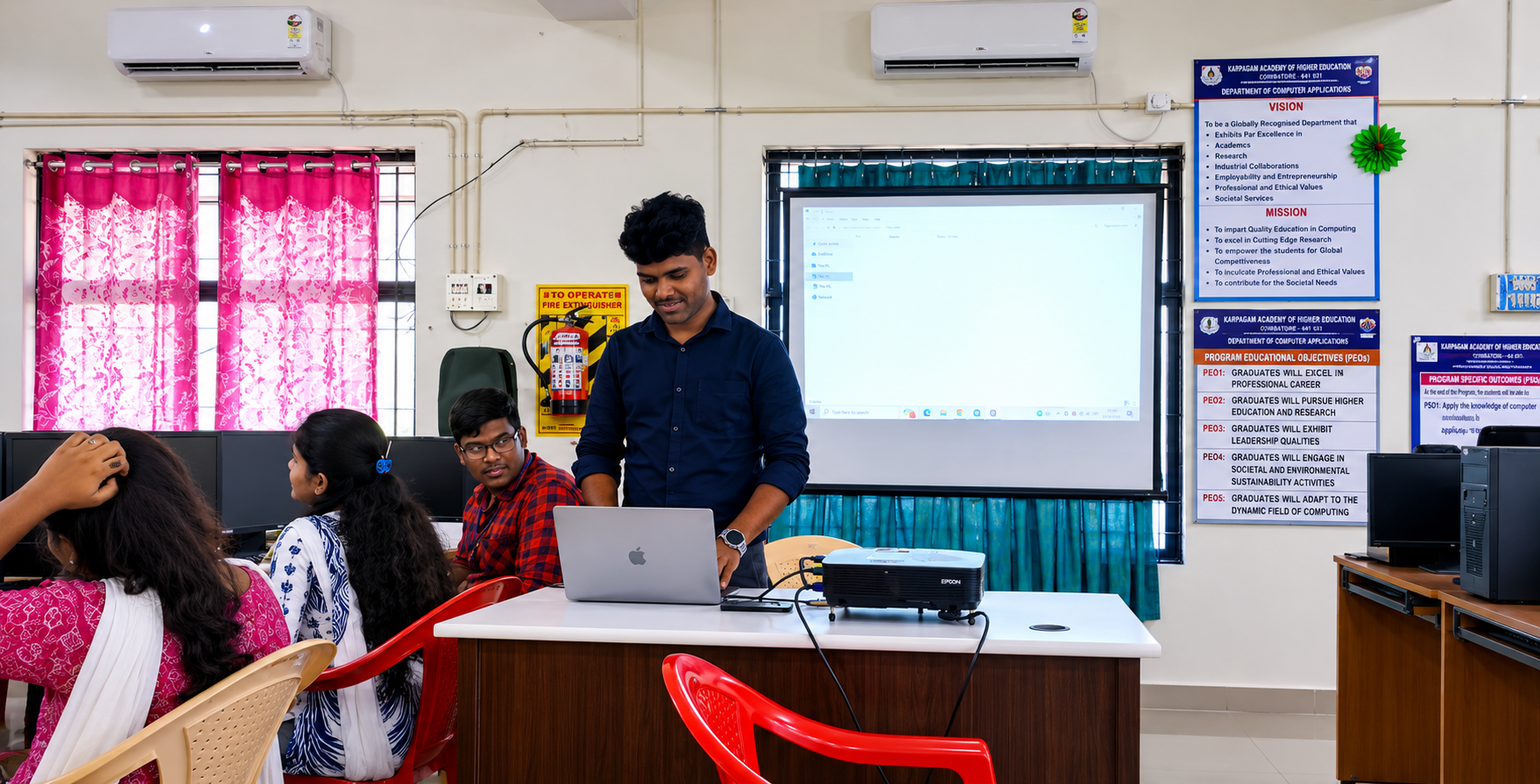
State-of-the-art laboratories equipped with modern instruments for hands-on learning.
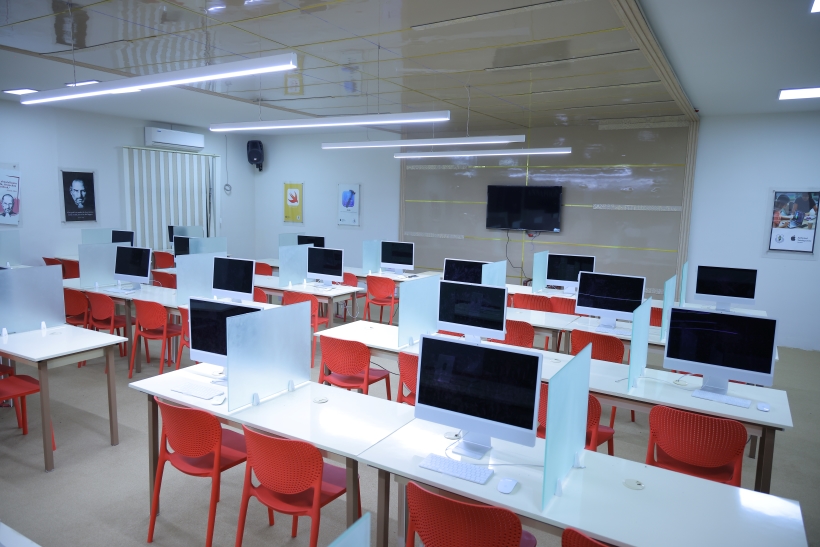
The Programming Laboratory is designed to strengthen students’ problem-solving ability and programming skills using modern software development practices. The laboratory supports multiple programming languages such as C, C++, Java and Python, enabling learners to understand both procedural and object-oriented programming concepts. Students implement data structures and algorithms including stacks, queues, trees, and graphs and sorting techniques to develop efficient and scalable solutions. The laboratory environment encourages hands-on learning through real-time coding, debugging and testing activities. Emphasis is placed on algorithmic thinking, code optimization, and modular program design. Students also gain exposure to integrated development environments, version control tools and basic software engineering practices. This laboratory plays a vital role in preparing students for industry-oriented programming tasks, competitive coding and higher studies by building strong fundamentals in logical reasoning, programming constructs and application development.
The Operating Systems Laboratory provides practical exposure to the internal working principles of modern operating systems using Windows, Linux and UNIX platforms. Students perform experiments related to process management, CPU scheduling, memory management, file systems and synchronization mechanisms. The laboratory enables learners to understand how operating systems manage hardware resources and support multi-user and multitasking environments. Through hands-on sessions, students work with shell scripting, system calls and basic system administration tasks. Practical demonstrations help students understand deadlocks, virtual memory, disk scheduling and inter-process communication. The laboratory environment supports both command-line and graphical interfaces, allowing students to explore real-world operating system tools. This lab strengthens the foundation required for system programming, cloud infrastructure, cybersecurity and network administration. It prepares students to work efficiently with different operating platforms used in academic and industrial computing environments.

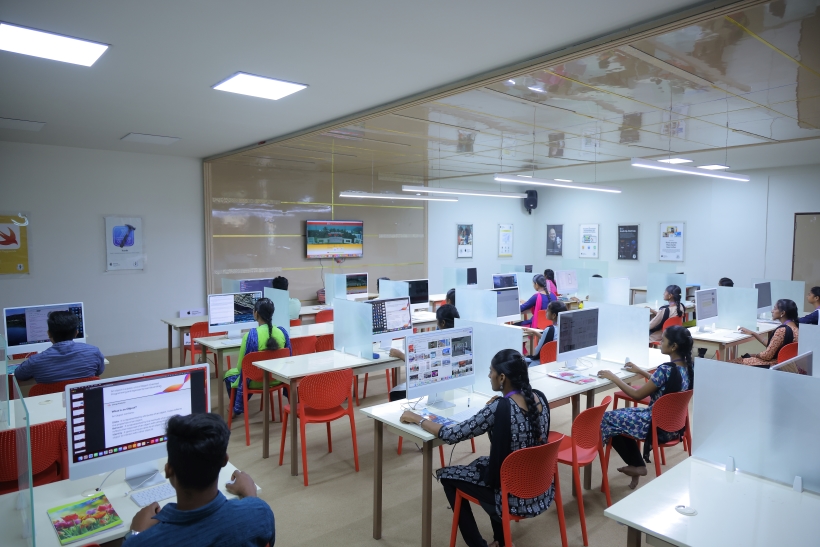
The Database Management Systems Laboratory enables students to design, implement and manage relational databases using MySQL, SQL Server and Oracle platforms. Students perform database creation, data manipulation and retrieval using structured query language (SQL). The laboratory focuses on concepts such as normalization, indexing, views, stored procedures, triggers and transactions. Using WAMP and XAMPP environments, students develop database-driven applications and integrate databases with web interfaces. Practical sessions emphasize data integrity, concurrency control and backup and recovery mechanisms. The laboratory provides hands-on exposure to real-time database scenarios and enterprise-level database tools. Students learn how to model business requirements into database structures and optimize queries for performance. This laboratory helps learners build strong competencies in data handling, database administration and application development required in modern software industries.
The Computer Networks Laboratory offers practical knowledge of network design, configuration and analysis using industry-standard tools such as Cisco Packet Tracer and Wireshark. Students gain hands-on experience in configuring routers, switches and end devices to create local area networks and study network behavior. The laboratory focuses on TCP/IP protocols, IP addressing, routing mechanisms, VLANs and basic network security concepts. Students analyze real-time network traffic using packet-capturing tools and understand protocol operations at different layers. LAN setup activities help students develop skills in physical and logical network configuration. The laboratory enhances understanding of data communication, troubleshooting techniques and network performance evaluation. This facility prepares students for networking certifications and careers in network administration, system integration and cybersecurity by providing practical exposure to real-world networking environments.
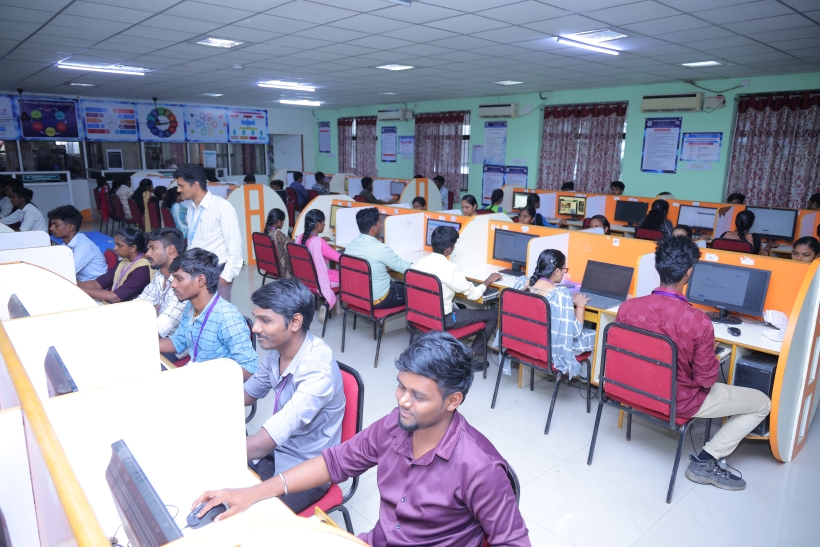
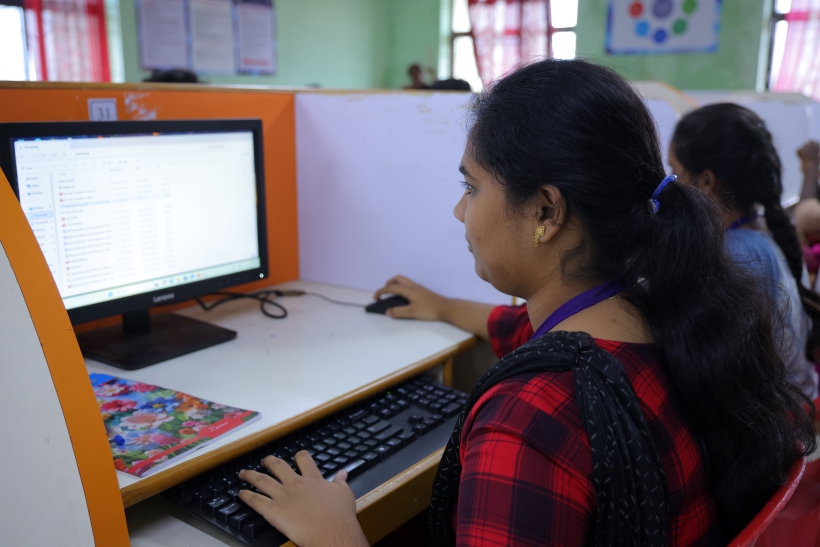
The Cloud Computing Laboratory provides hands-on experience in virtualization technologies and cloud service platforms. Students learn to create and manage virtual machines, storage resources and virtual networks. The laboratory introduces cloud service models such as Infrastructure as a Service, Platform as a Service and Software as a Service. Practical sessions cover deployment of applications in cloud environments, resource provisioning and basic cloud security concepts. Students gain familiarity with cloud dashboards, virtualization tools and scalable infrastructure management. The laboratory helps learners understand modern computing paradigms such as elastic computing, load balancing and distributed services. By performing real-time experiments, students develop skills required to design and deploy cloud-based solutions. This laboratory plays an important role in preparing students for emerging careers in cloud architecture, DevOps and large-scale system deployment.
The Internet of Things Laboratory enables students to design and develop smart systems using Arduino boards, Raspberry Pi platforms and various sensors and communication modules. Students learn to interface sensors, actuators and controllers to build real-time embedded and IoT applications. The laboratory focuses on data acquisition, wireless communication, device programming and cloud integration for monitoring and control. Practical sessions include environmental monitoring, automation systems and smart device prototypes. Students gain exposure to microcontroller programming, hardware interfacing and basic networking concepts for connected devices. The laboratory promotes interdisciplinary learning by combining electronics, networking and software development. This facility prepares students for careers in embedded systems, smart infrastructure and industrial automation by providing strong hands-on experience in IoT technologies.
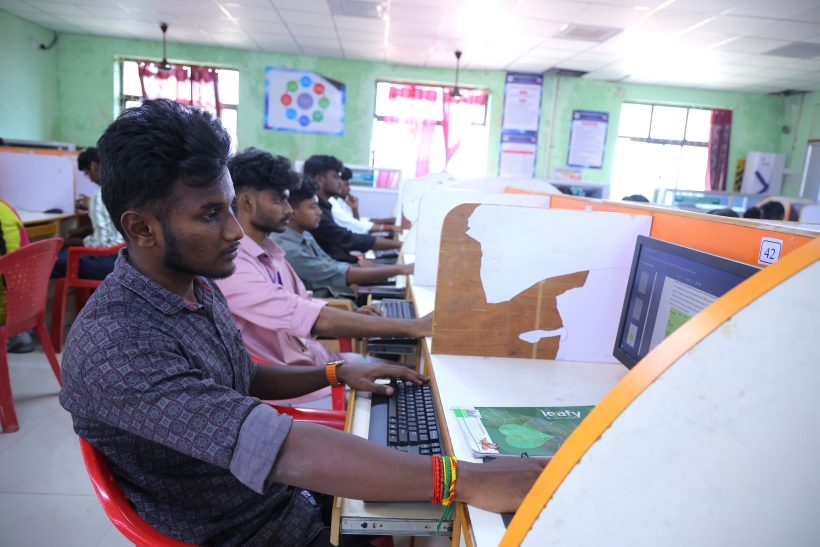
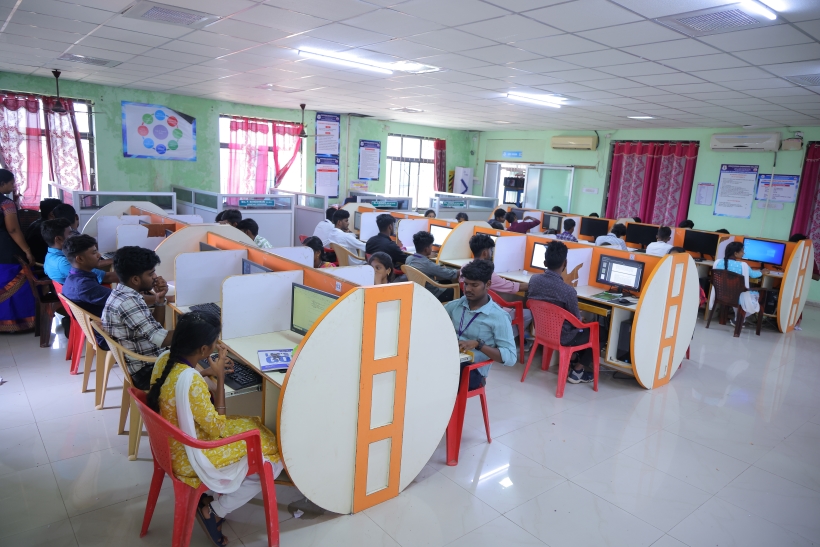
The Cyber Security Laboratory provides hands-on training in network security, threat analysis and ethical hacking practices. Students use tools such as Snort for intrusion detection and explore techniques related to vulnerability assessment and penetration testing. The laboratory focuses on identifying network attacks, monitoring suspicious activities and understanding security policies. Practical sessions include firewall configuration, malware analysis basics and secure communication methods. Students learn about cryptography, authentication mechanisms and system hardening techniques. The laboratory creates awareness of cyber threats and teaches defensive and preventive security measures. This facility prepares students to handle real-world security challenges and supports careers in information security, digital forensics and network protection.
The Software Engineering Laboratory supports students in understanding and applying structured software development methodologies. The laboratory focuses on using CASE tools for requirements analysis, system design and documentation. Students prepare UML diagrams such as use case, class, sequence and activity diagrams for real-time projects. Practical sessions emphasize software project planning, estimation techniques and project management tools. Students learn to follow software life cycle models and implement quality assurance practices. The laboratory promotes team-based development, documentation standards and version control practices. By working on mini-projects, students gain experience in requirement specification, design validation and project coordination. This laboratory strengthens the professional competencies required for software development, project management and system analysis roles.
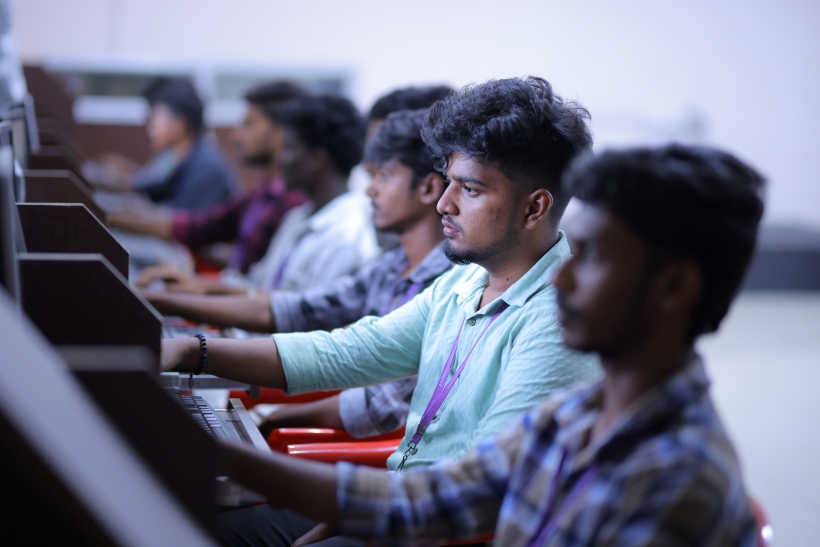
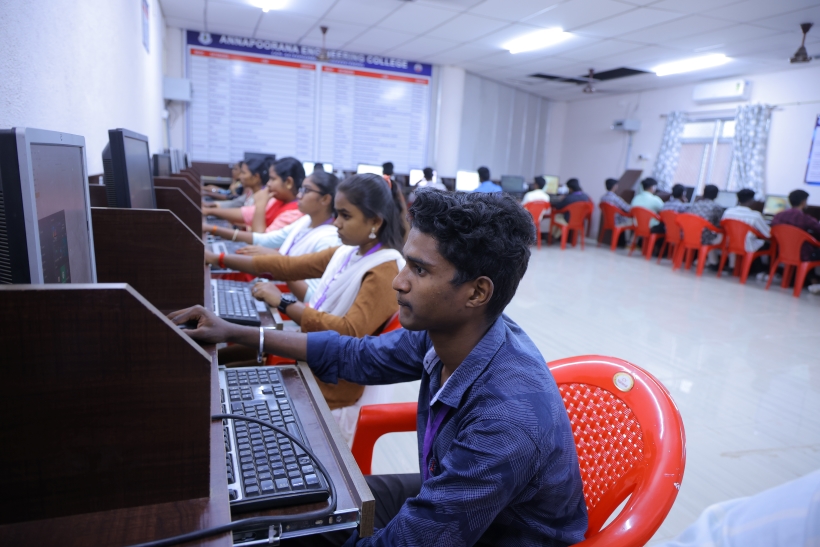
The Mobile Application Development Laboratory enables students to design and develop modern mobile applications using Android and iOS development tools. The laboratory focuses on user interface design, application logic, database connectivity and integration with web services. Students learn to build responsive and user-friendly applications and test them using emulators and real devices. Practical sessions include layout design, activity lifecycle management and deployment of applications. The laboratory also introduces mobile security, performance optimization and application publishing concepts. Students work on real-time mini projects to develop problem-oriented mobile solutions. This laboratory prepares students for careers in mobile software development and supports innovation in application design for smart devices.
| S.No | AU - FIN | AICTE ID | Name & Designation | Photo |
|---|---|---|---|---|
| 1 | 2664891979 | 1-44747017391 |
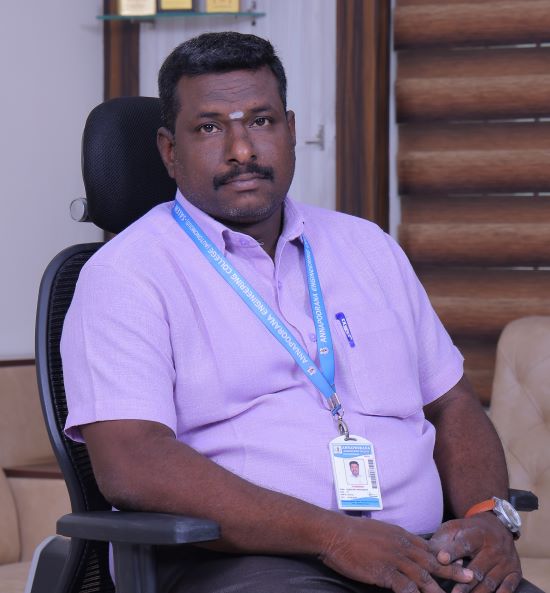
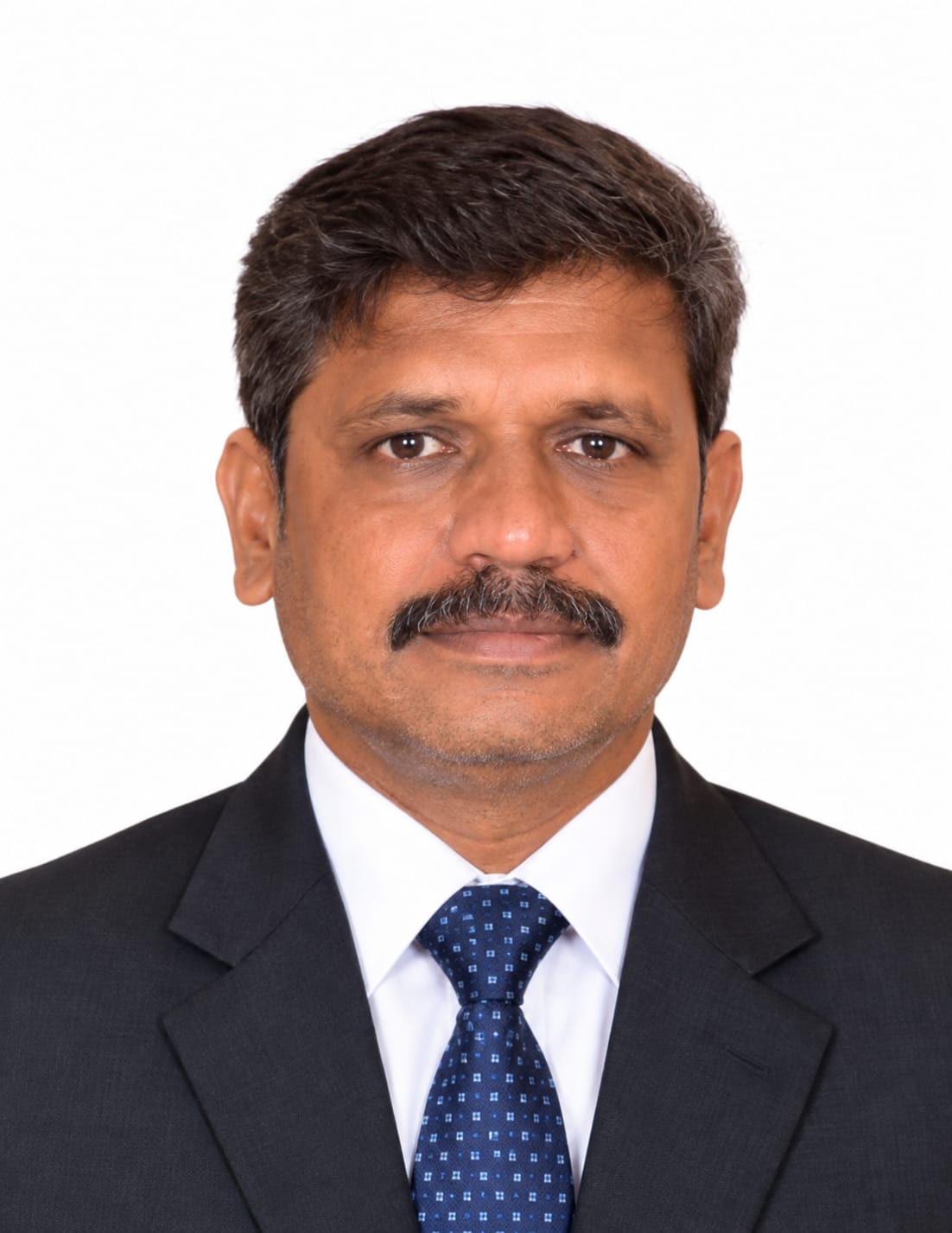
Dr. S. Venkatesan
Professor & Head
|
|
| 2 | 2650311971 | 1-43956389391 |
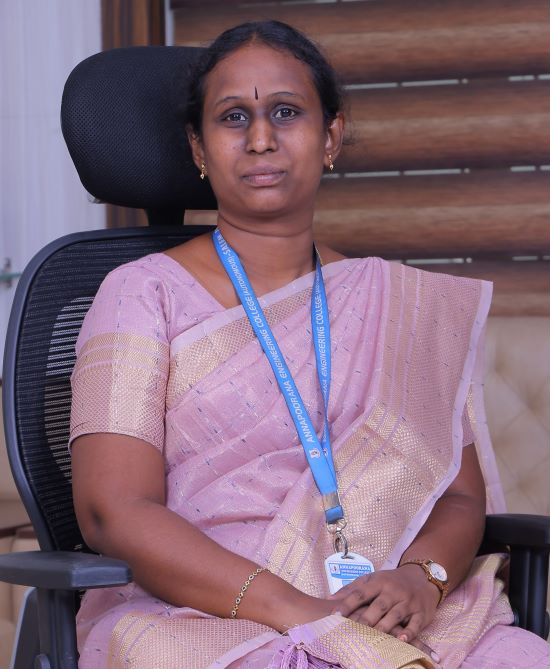
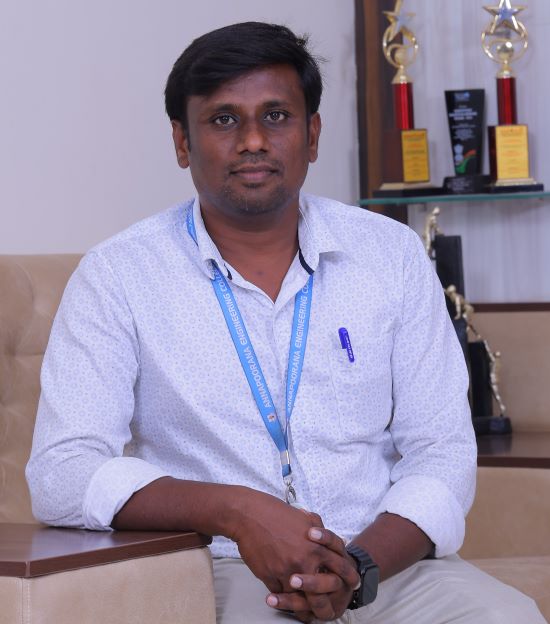
Mrs. N. Radha
Associate Professor
|

|
| 3 | 2686551989 | 1-44746669303 |
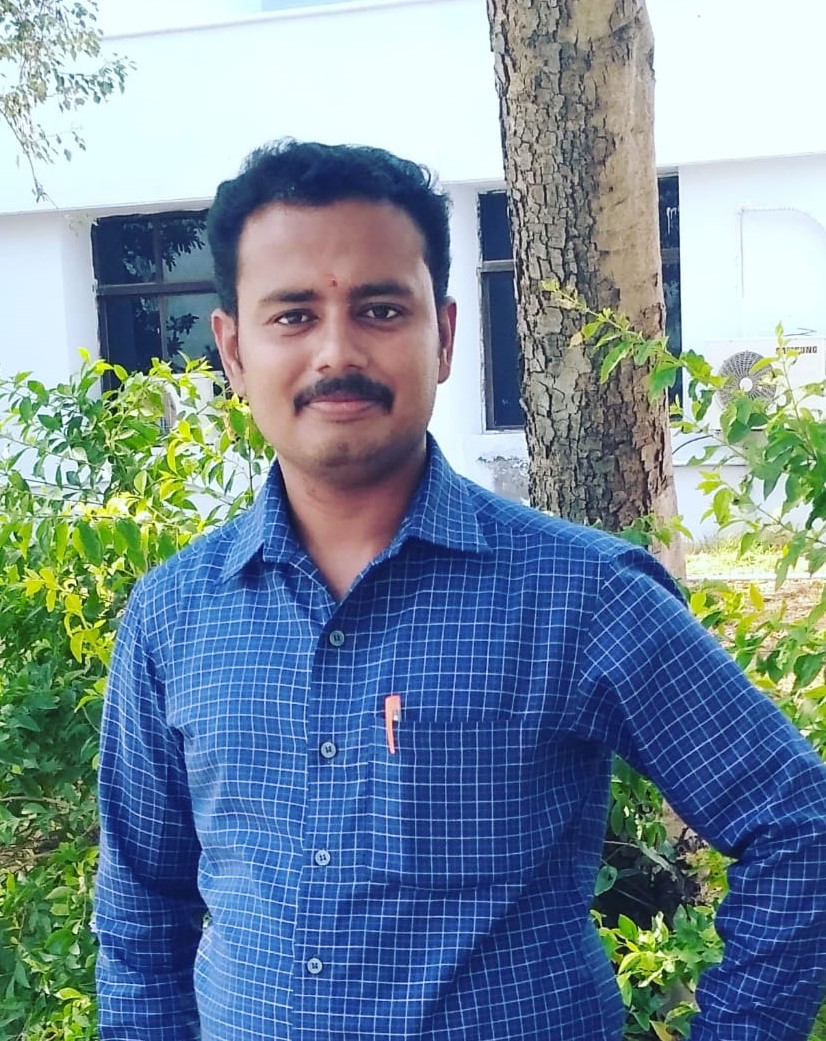
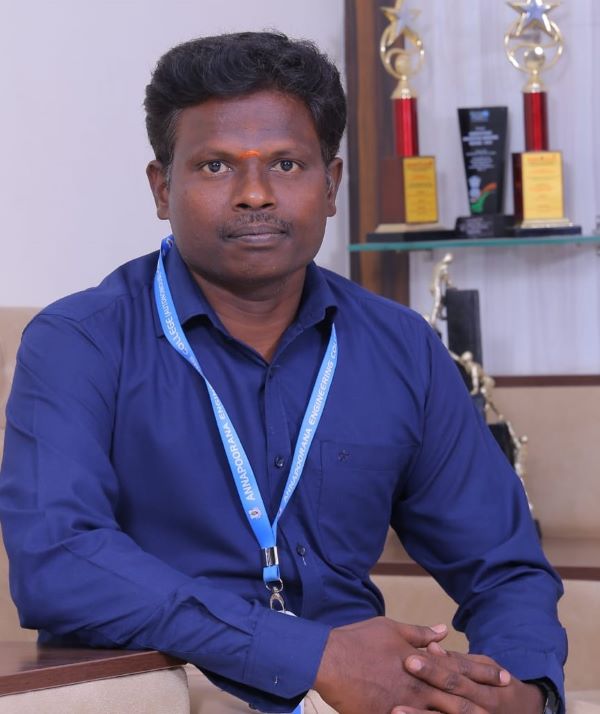
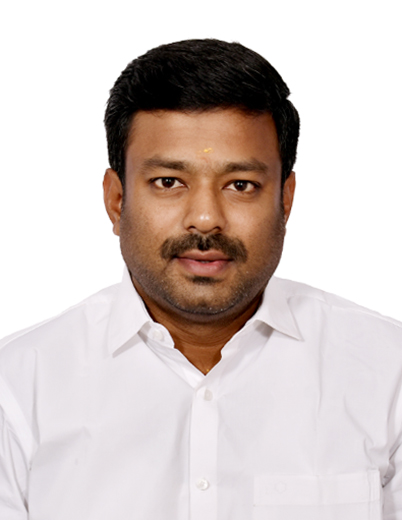
Mr. K. S. Mohankumar
Associate Professor of Practice
|
|
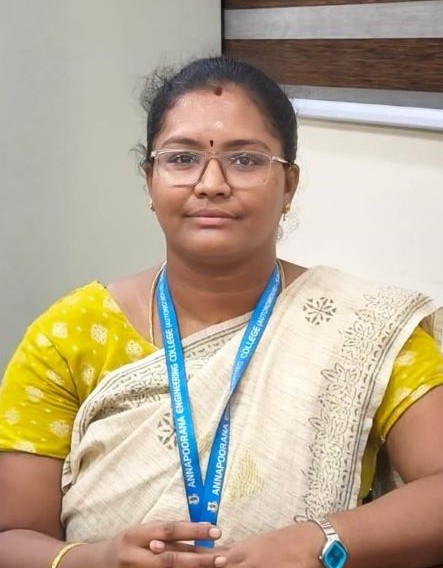
| 4 | 2675861990 | 1-43717560294 |
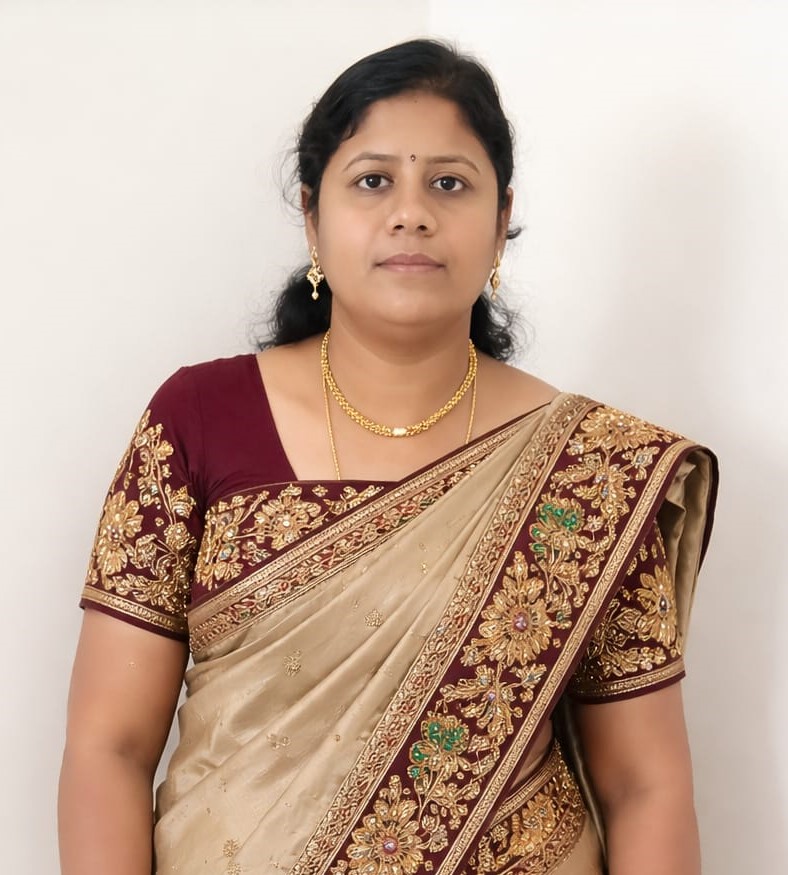
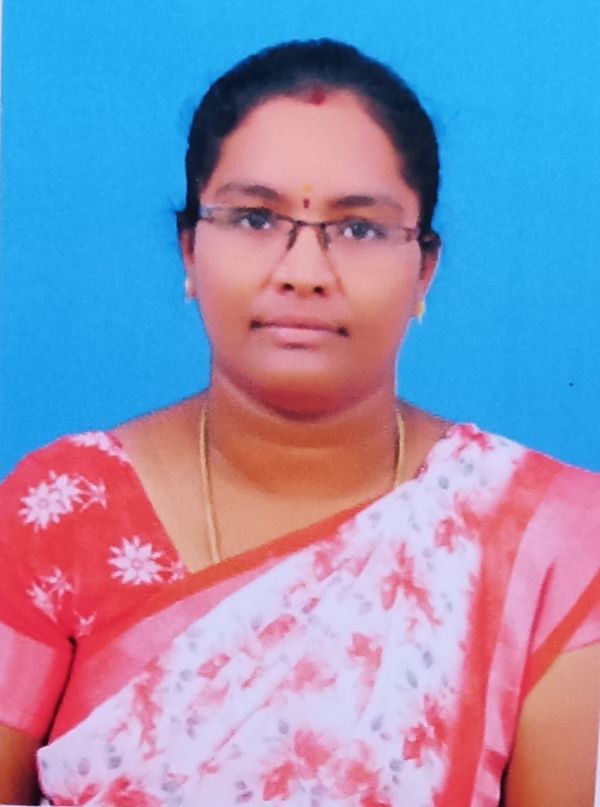
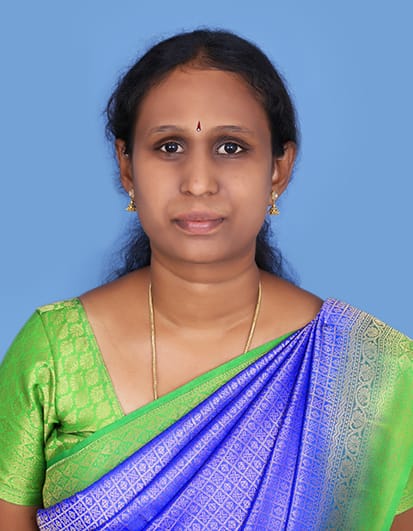
Mrs. A. Saranyadurai
Assistant Professor
|
|
| 5 | 2626601992 | 1-9312489152 |
Mr. S. Siva
Assistant Professor
|

|
| 6 | 2613081989 | 1-44892931978 |
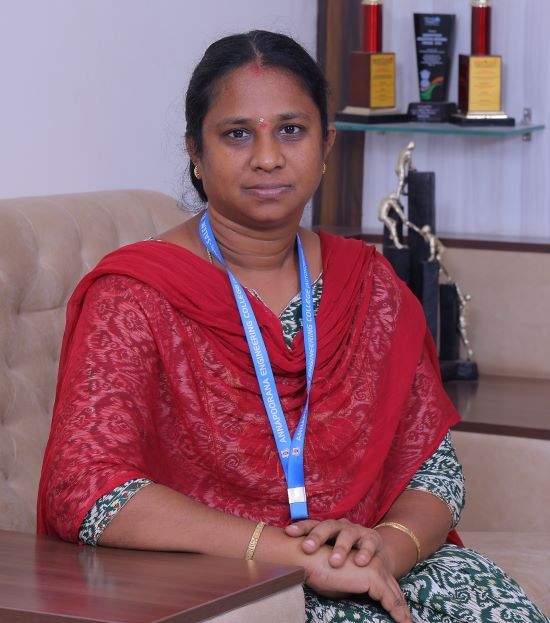
Mrs. M. Renuka
Assistant Professor
|
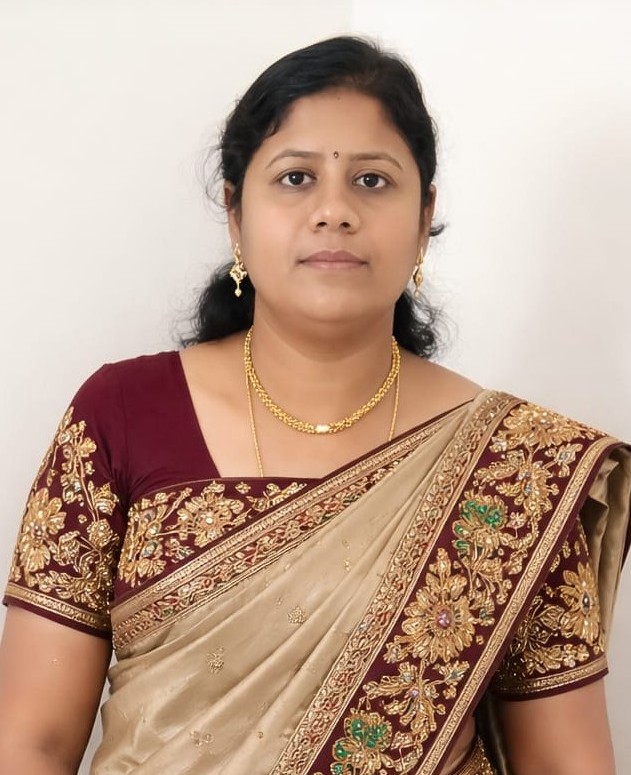
|
| 7 | 2674011988 | 1-44128377141 |
Mrs. P. Nandini
Assistant Professor
|
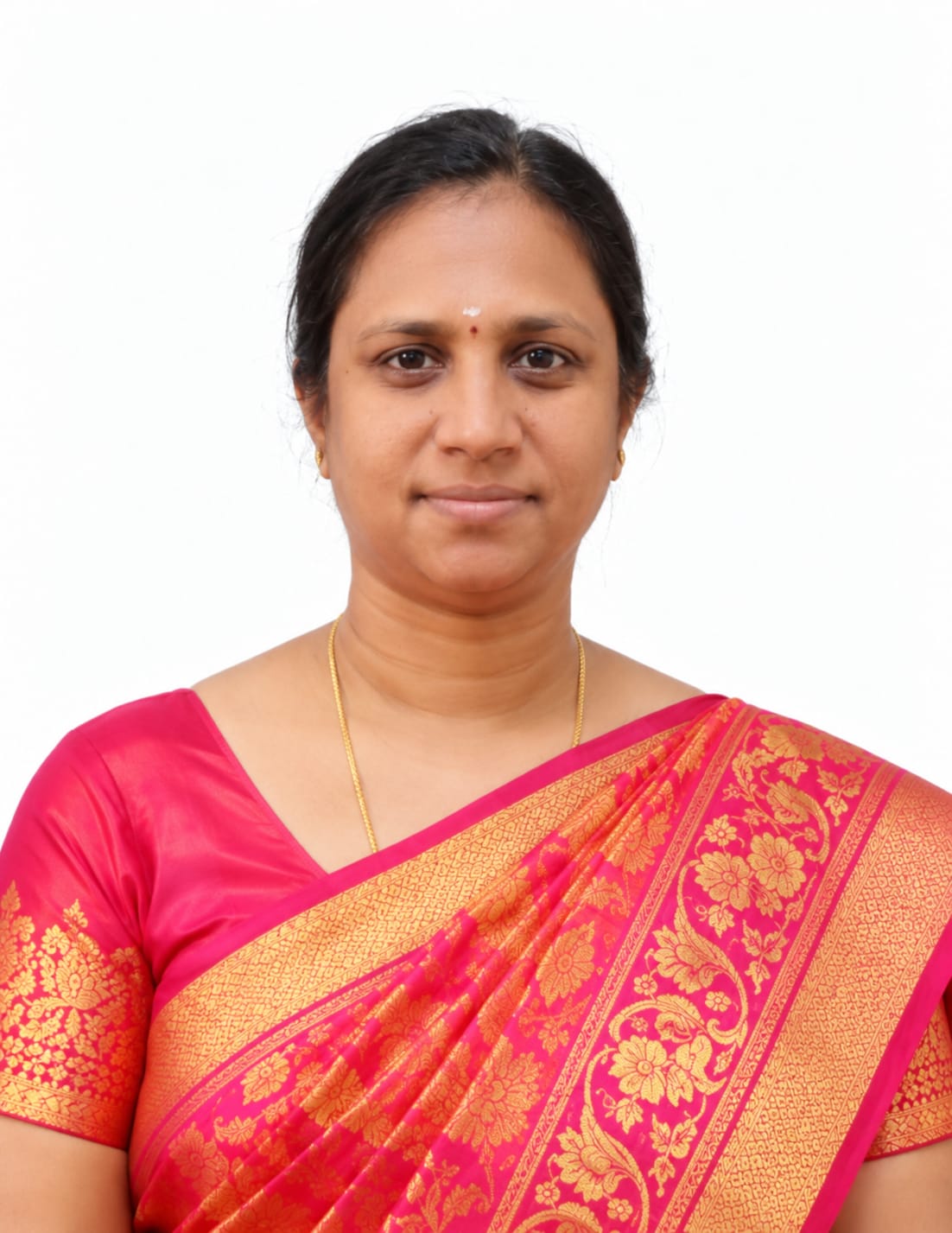
|
| 8 | 2686481986 | 1-44817445054 |
Mr. R. Krishnan
Assistant Professor
|

|
| 9 | 2645561986 | 1-44721332952 |
Mr. R. Prakash
Assistant Professor
|
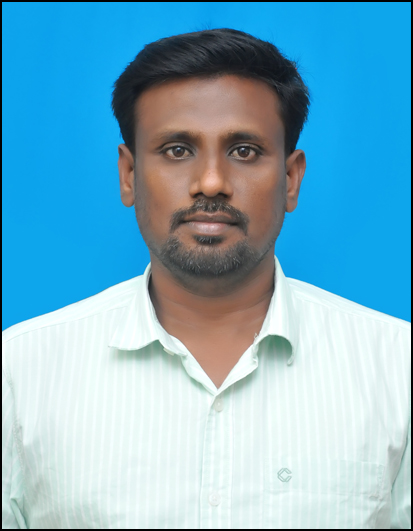
|
| 10 | 2632611982 | 1-44734589515 |
Mr. P. Dhanarasan
Assistant Professor
|
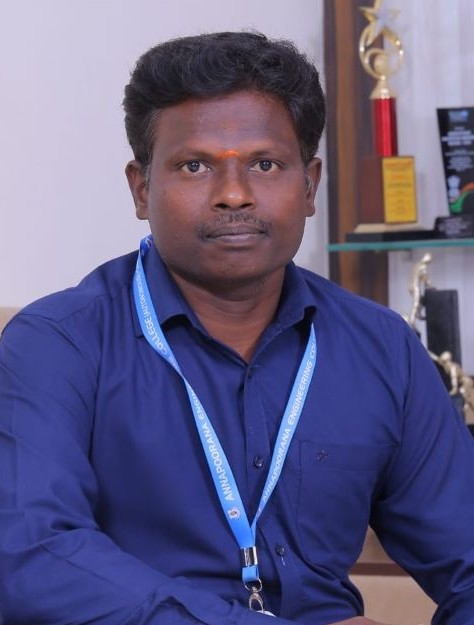
|
| 11 | 2658031993 | 1-45827598313 |
Mrs. B. Keerthana
Assistant Professor
|
|
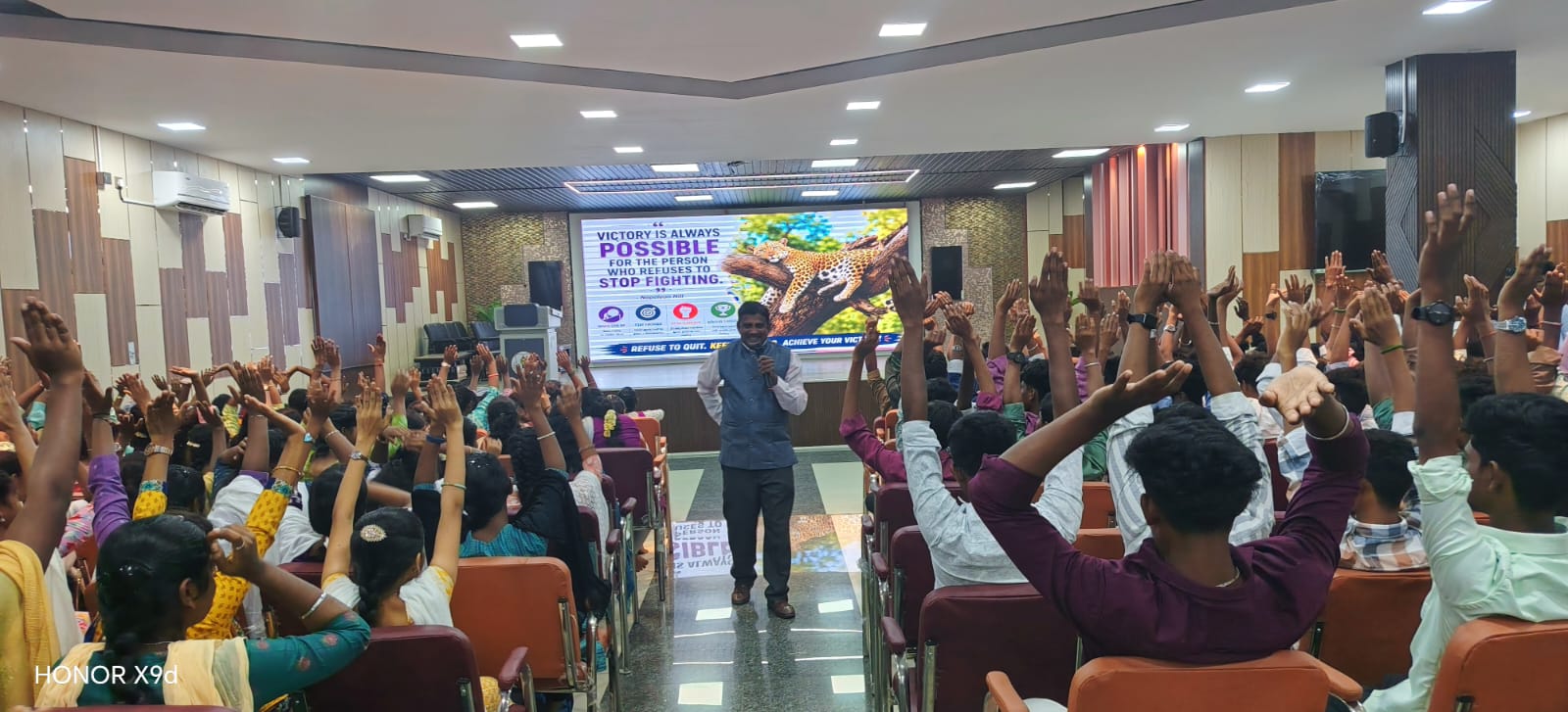
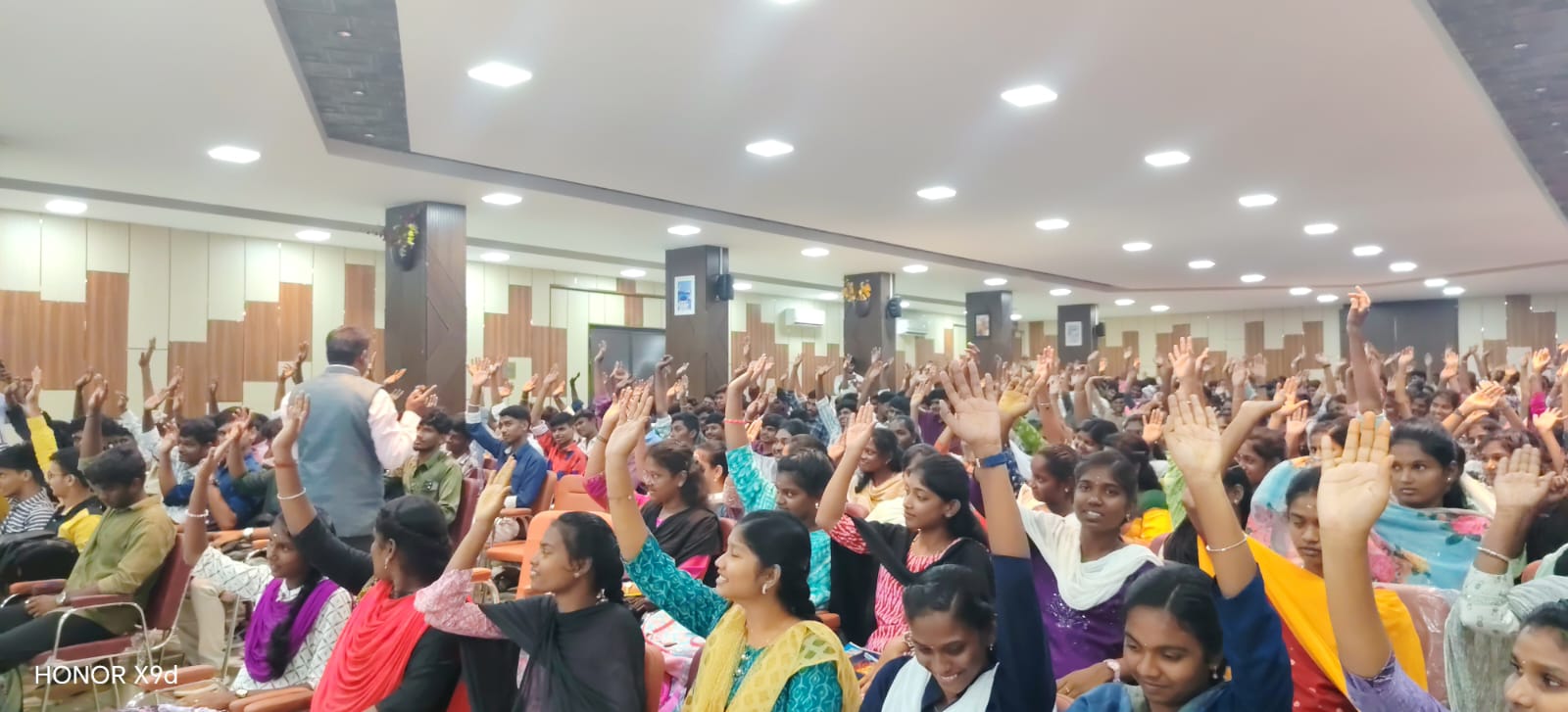
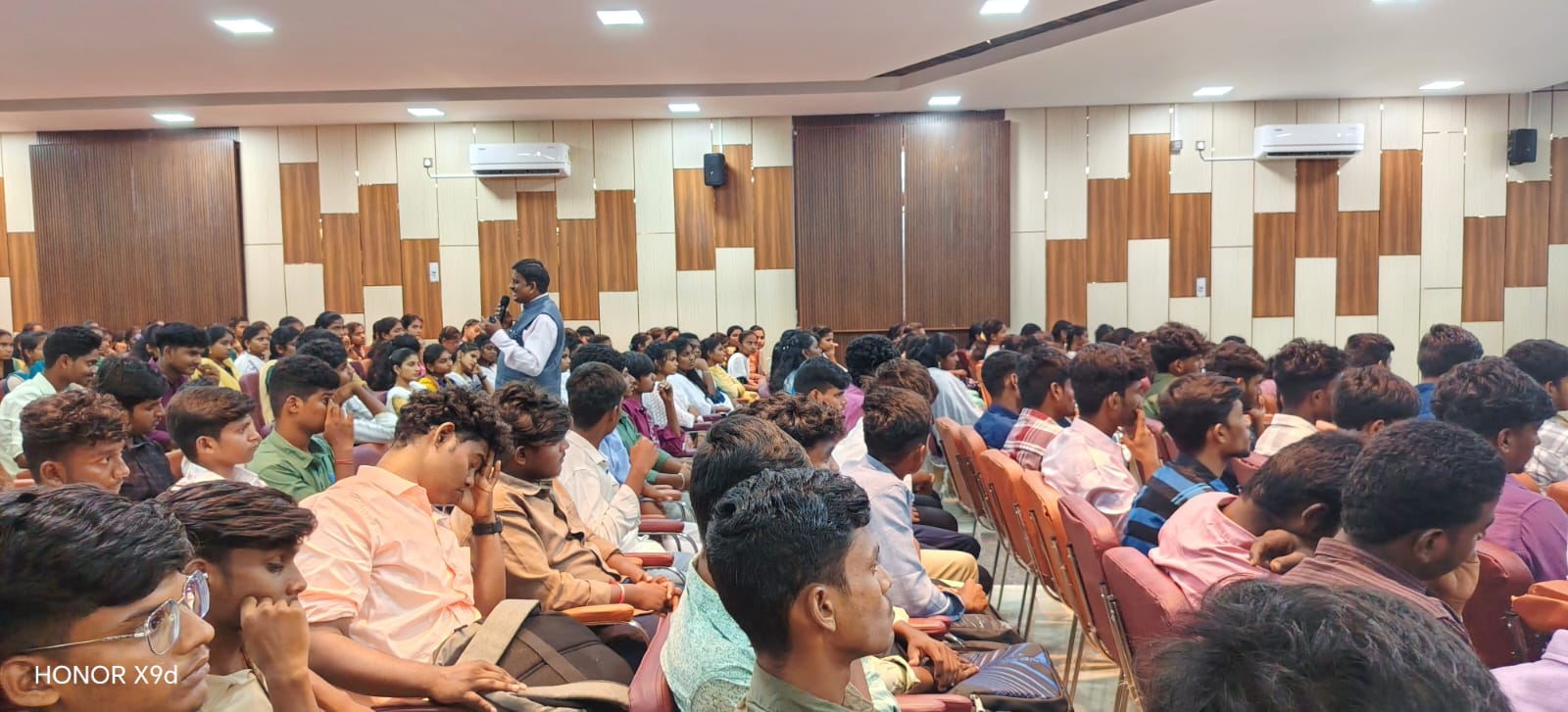
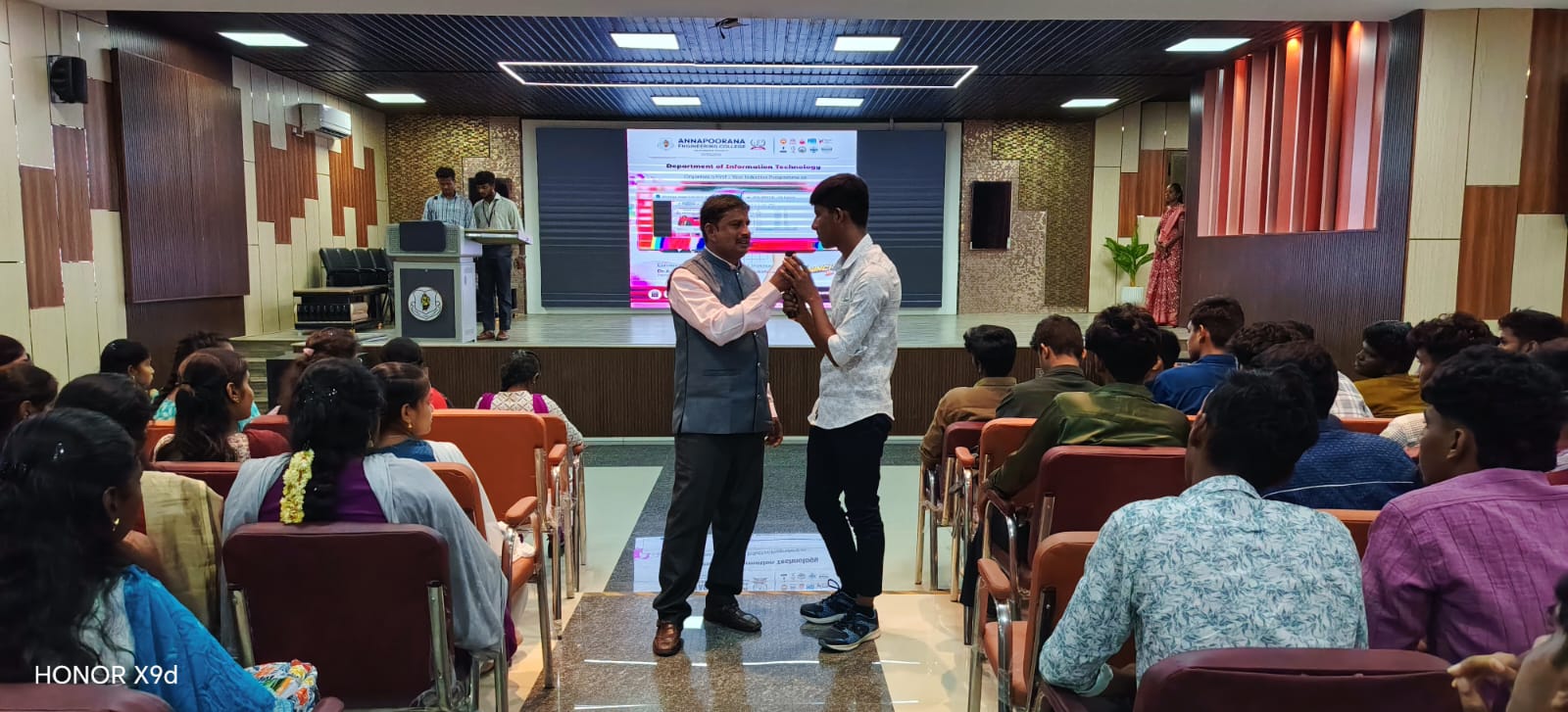
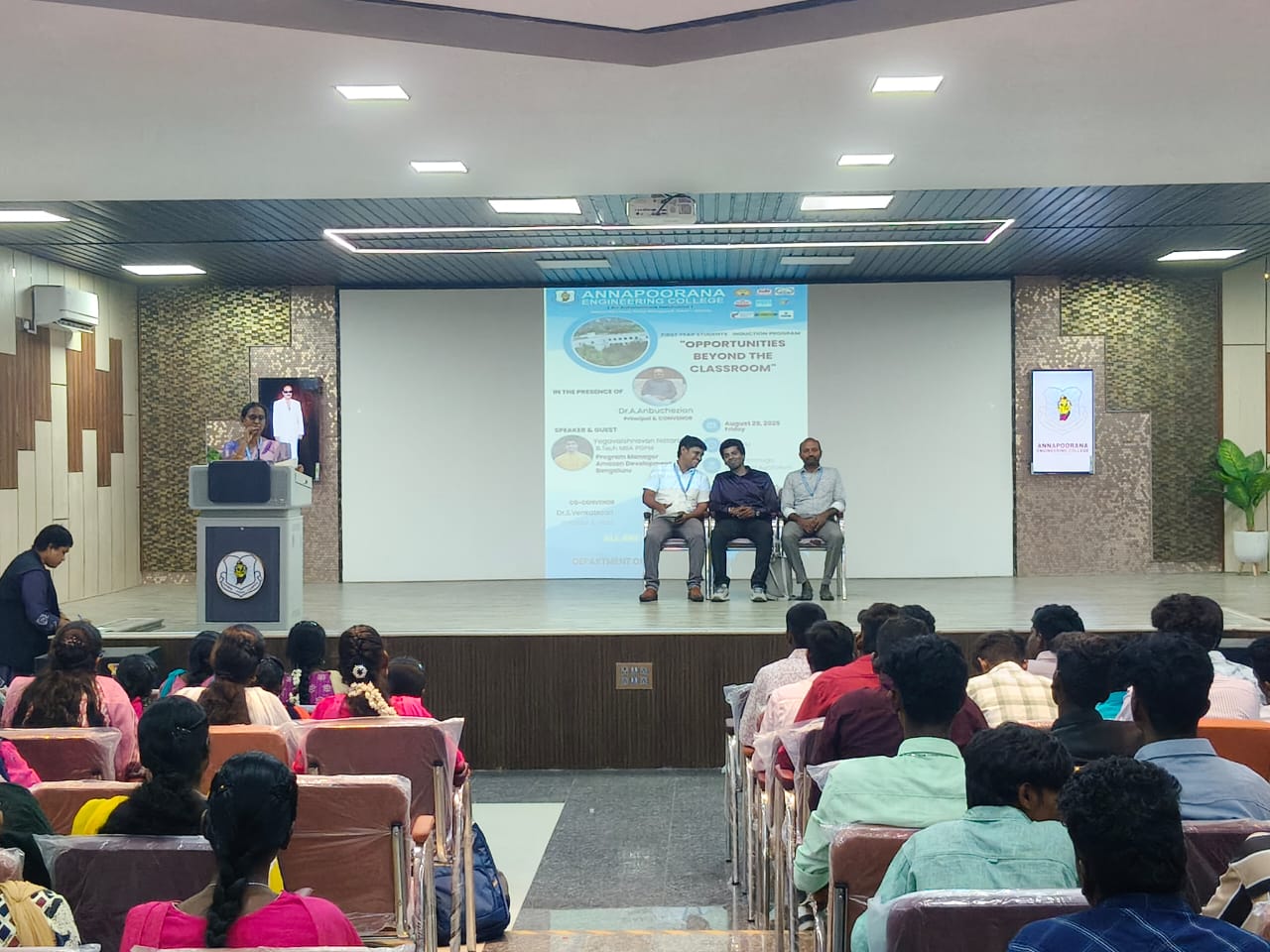
Enhancing student skills beyond the curriculum through industry-relevant programs.
| S.No | Type | Year | Title / Topic | Resource Person Name & Organization |
|---|---|---|---|---|
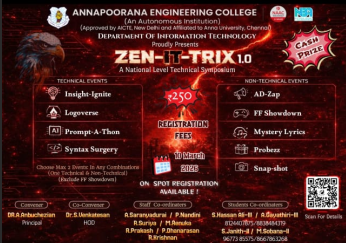
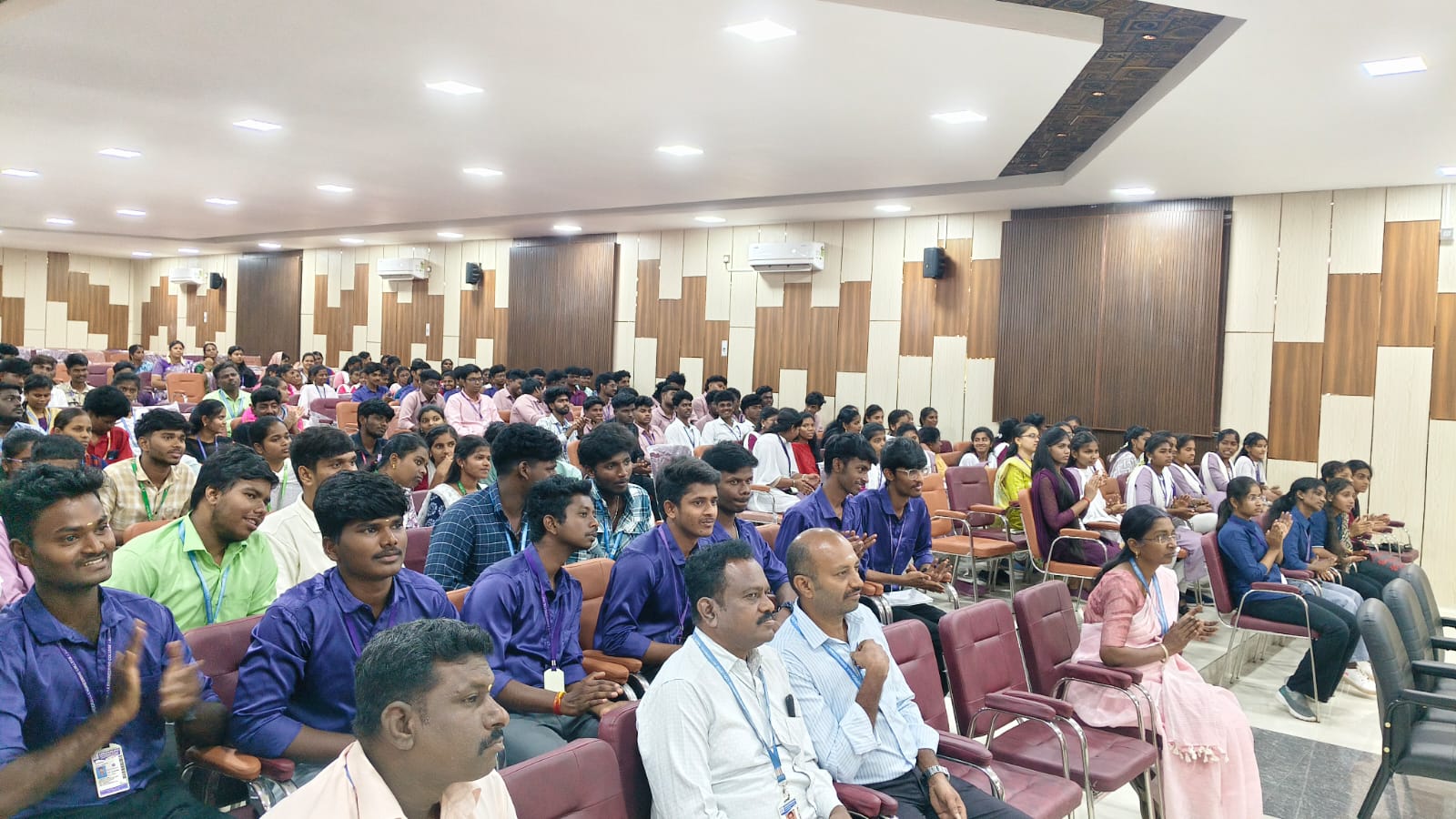
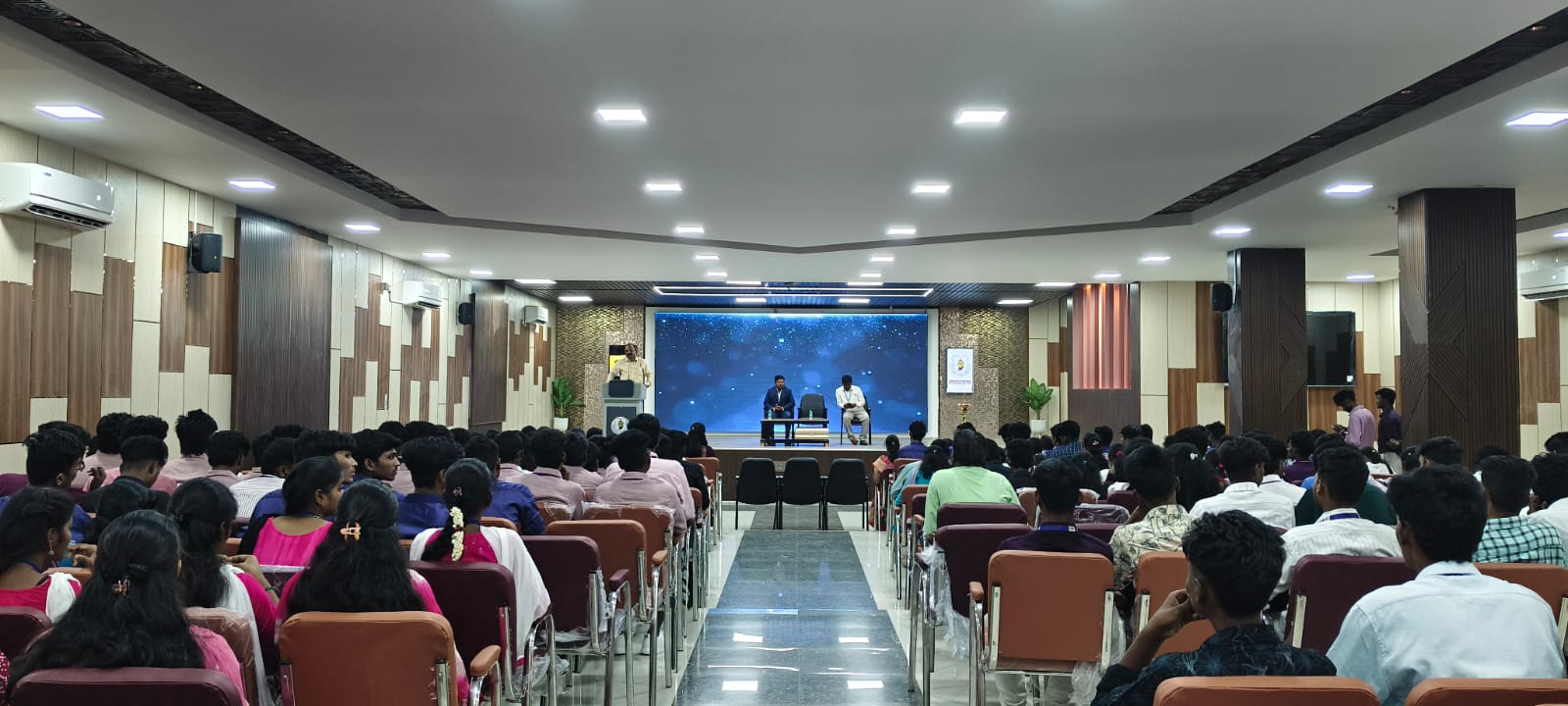
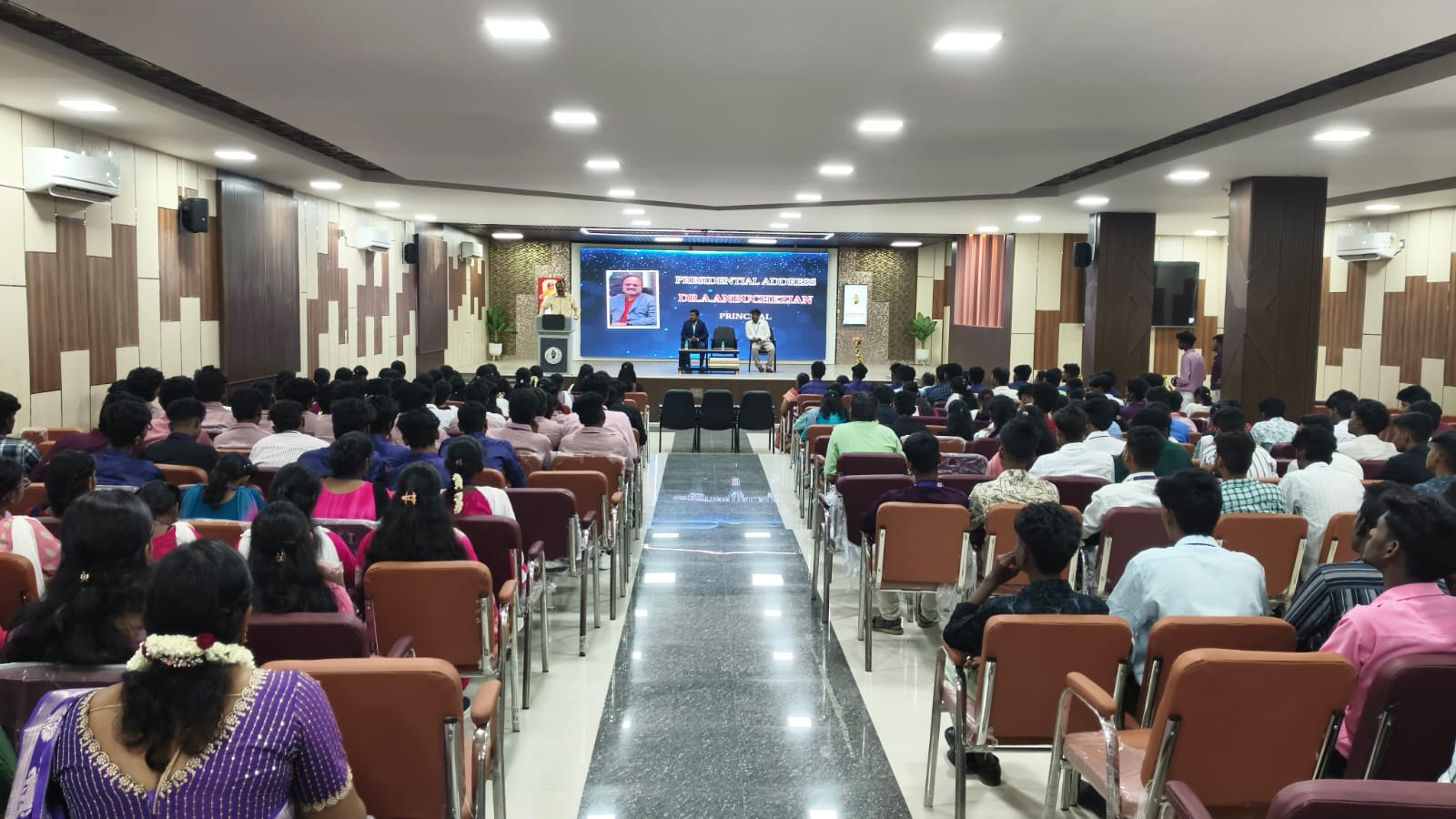
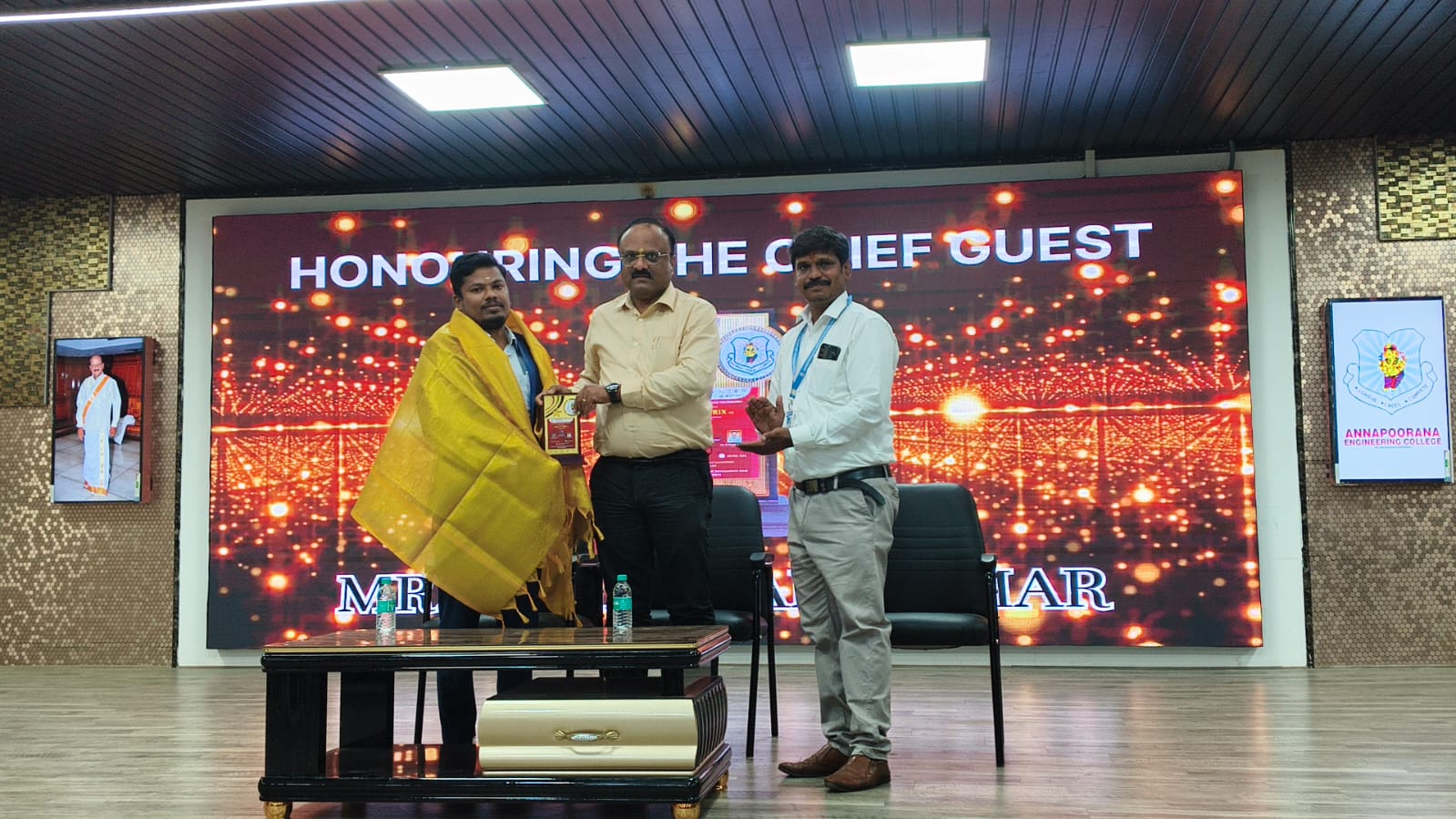
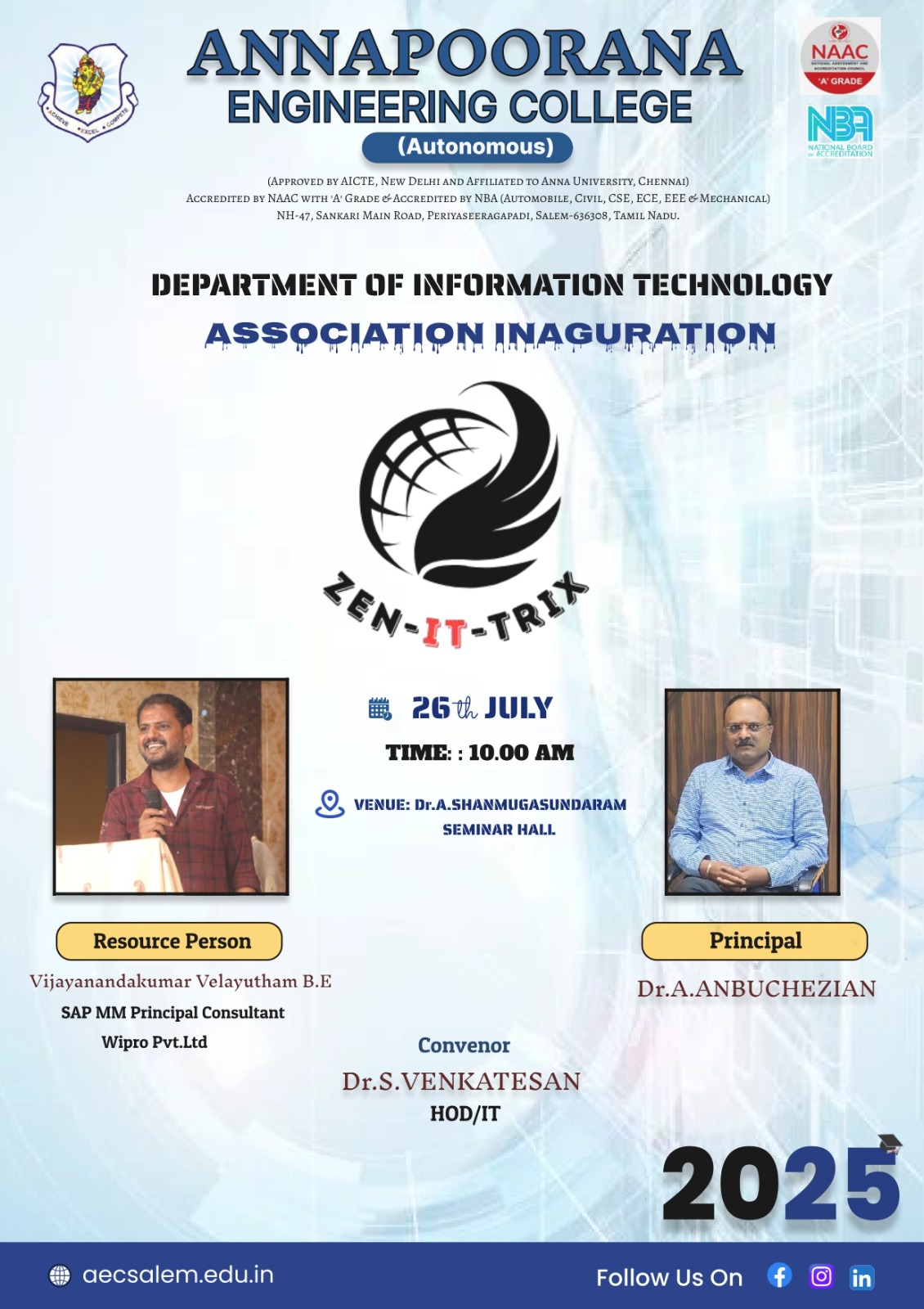
| 1 | Workshop | 2025–2026 | ZEN-IT-TRIX – AI App Development | Mr. S. Yoga Harikaran, Founder & CEO of WAY2ME |
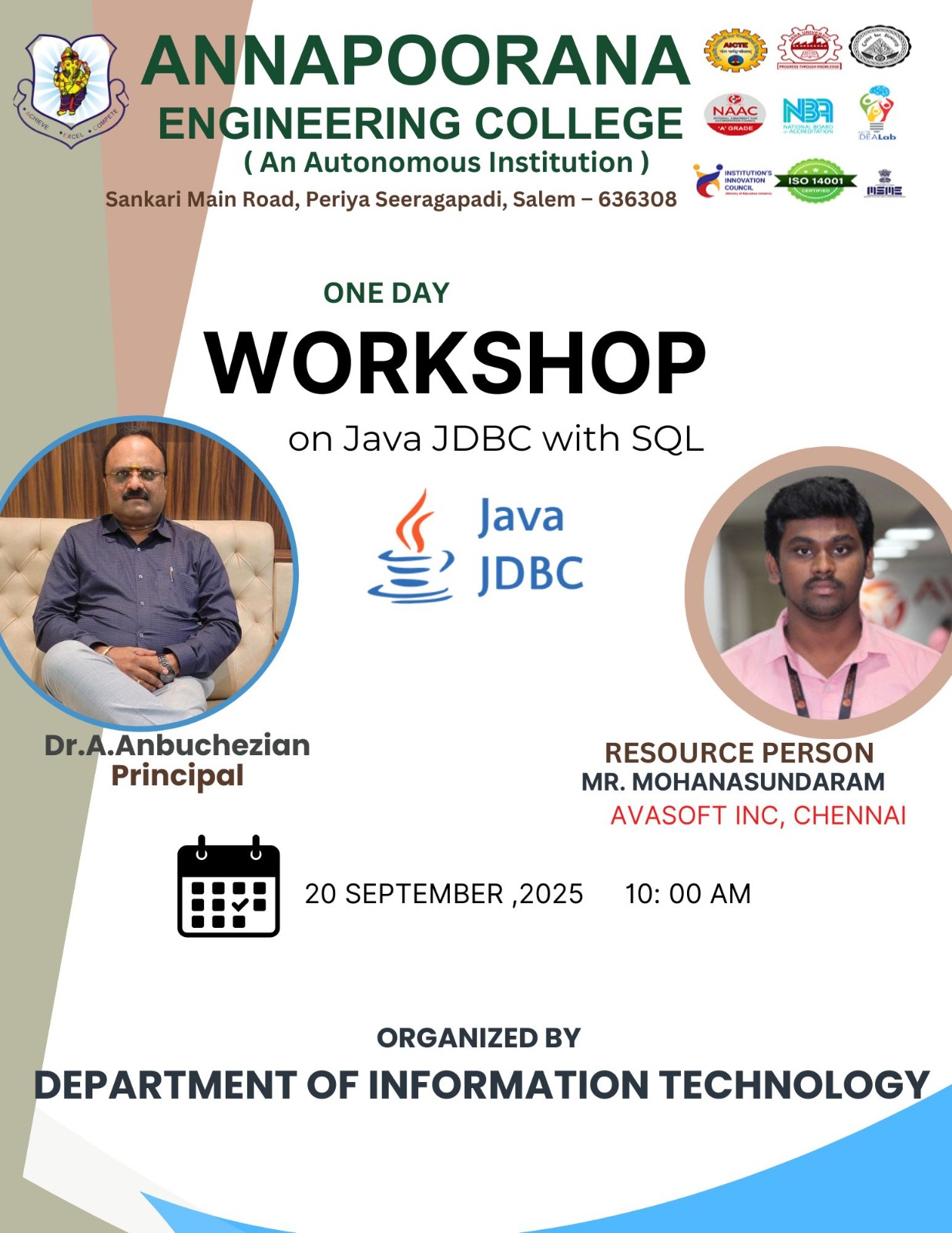
| 2 | Workshop | 2025–2026 | JDBC with SQL | Mr. M. Mohanasundaram, Software Engineer, AWASOFT INC, Chennai |
| 3 | Seminar | 2025–2026 | Startup Empowerment | Mr. M. V. Prabakar, Founder & CEO of TAMILAR STARTUP |
| 4 | Seminar | 2024–2025 | Memory Management | Dr. T. Akila |
| 5 | Seminar | 2024–2025 | Array and String | Dr. M. Ramkumar |
| 6 | Seminar | 2024–2025 | Evaluation of Machine Learning Algorithms | Dr. M. S. S. Sasikumar |
| 7 | Seminar | 2024–2025 | Animations | Mrs. S. Lalithambikai |
| 8 | Seminar | 2024–2025 | Automata Theory | Mrs. M. Priya |
| 9 | Seminar | 2024–2025 | AIML: Transforming Human Work | Mr. D. Jayaprakash |
| 10 | Seminar | 2024–2025 | Graph Algorithms in Real Life | Mrs. M. Pushpalatha |
Bridging the gap between theory and practice through industrial exposure.
| Academic Year | Name of the company visited | Company Location |
|---|---|---|
| 2025-2026 | QSpiders Technologies | Palarivattom, Kochi |
| 2024-2025 | Haqto Technologies | Coimbatore |
| 2024-2025 | Nestsoft Techno Master | Kochi |
| Academic Year | Company Name | Training Duration | Role / Area of Training | No. of Students Attended |
|---|---|---|---|---|
| 2025-2026 | Hackup Technology Pvt Ltd | 16/06/2025 to 15/07/2025 | Ethical Hacking and Cyber Security | 7 |
| 2025-2026 | Livewire | July 2025 | Power BI | 1 |
| 2025-2026 | Nandha Infotech | 07/07/2025 to 21/07/2025 | Full Stack Development | 1 |
| 2025-2026 | Alan Tech Soft | 02/07/2025 to 09/07/2025 | Web Development | 7 |
| 2025-2026 | Immaculate Technologies | 02/06/2025 to 07/07/2025 | JavaScript Development | 7 |
| 2025-2026 | StartNet | 04/06/2025 to 30/06/2025 | Junior Web Developer | 1 |
| 2025-2026 | Algojaxon Global Soft Private Limited | 09/06/2025 to 27/06/2025 | UI/UX Design | 3 |
| 2025-2026 | Codebind Technologies | 23/06/2025 to 27/06/2025 | Web Development, HTML, CSS, JavaScript | 4 |
| 2025-2026 | Codebind Technologies | 27/06/2025 | Corporate Training Test | 1 |
| 2025-2026 | Codebind Technologies | 30/06/2025 to 05/07/2025 | Web Development | 2 |
| 2025-2026 | Codebind Technologies | 05/07/2025 | Corporate Training Test | 1 |
| 2025-2026 | NoviTech R&D Private | 30/07/2025 | Real-World API Skills for Career-Ready Developers | 1 |
| 2025-2026 | NoviTech R&D Private | 05/08/2025 to 07/08/2025 | UI/UX Design | 1 |
| 2025-2026 | NoviTech R&D Private | 13/09/2025 | Productivity with Macros – Making Excel Work for You | 1 |
| 2025-2026 | NoviTech R&D Private | 21/09/2025 | Retail Sales & Growth Analysis Dashboard | 1 |
| 2025-2026 | NoviTech R&D Private | 28/09/2025 to 04/10/2025 | Data Analytics | 1 |
| 2025-2026 | Codebonding | 19/12/2025 to 31/12/2025 | C++ | 13 |
Minutes of Board of Studies Meetings, Department of Information Technology
| S.No | Meeting Details | Date of Meeting | View / Download |
|---|---|---|---|
| 1 | 6th Board of Studies Meeting (BoS) | 01.09.2026 | BoS - 06 |
| 2 | 5th Board of Studies Meeting (BoS) | 03.06.2026 | BoS - 05 |
| 3 | 4th Board of Studies Meeting (BoS) | 29.11.2025 | BoS - 04 |
| 4 | 3rd Board of Studies Meeting (BoS) | 17.05.2025 | BoS - 03 |
| 5 | 2nd Board of Studies Meeting (BoS) | 30.11.2024 | BoS - 02 |
| 6 | 1st Board of Studies Meeting (BoS) | 16.12.2023 | BoS - 01 |
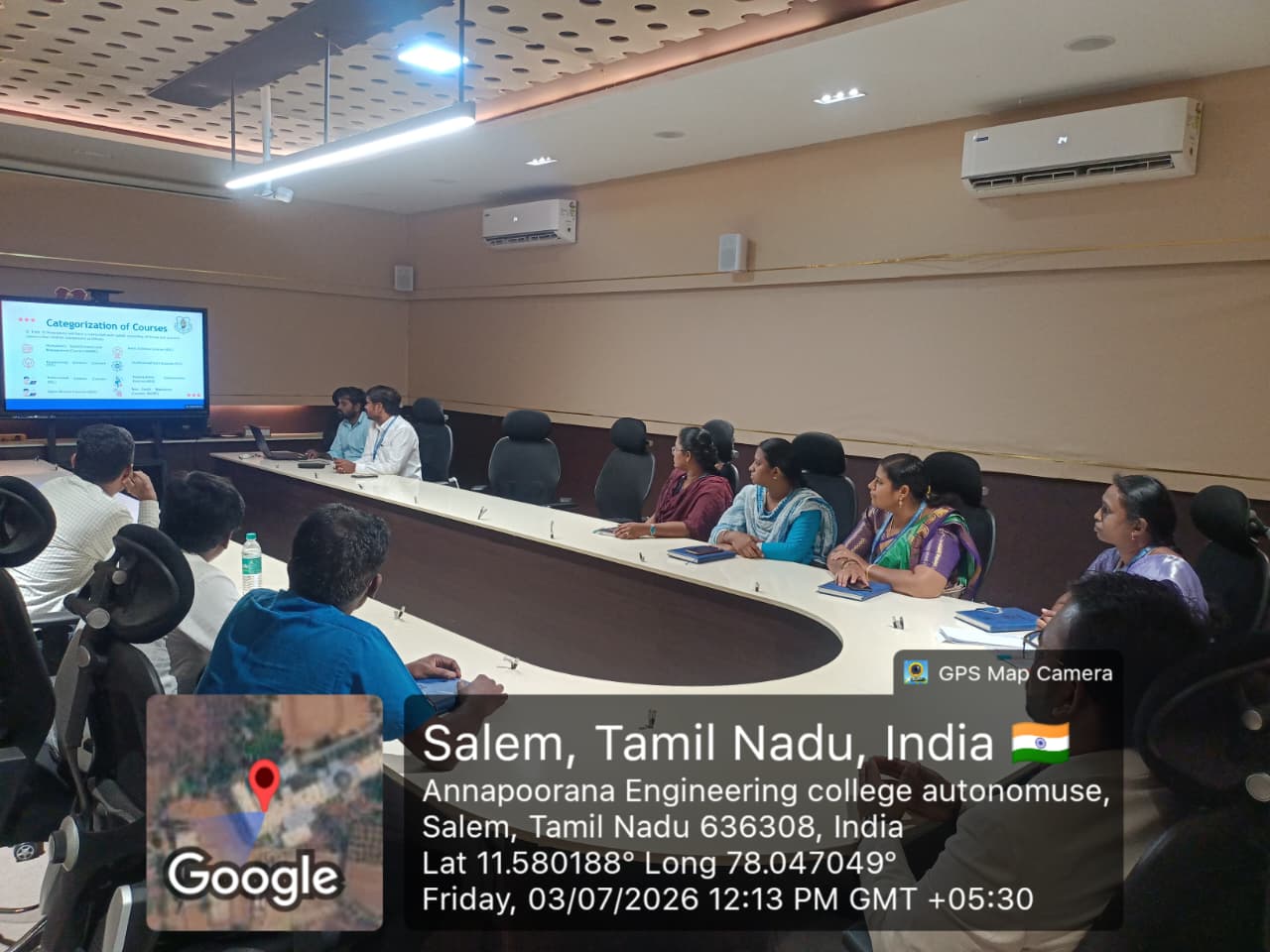
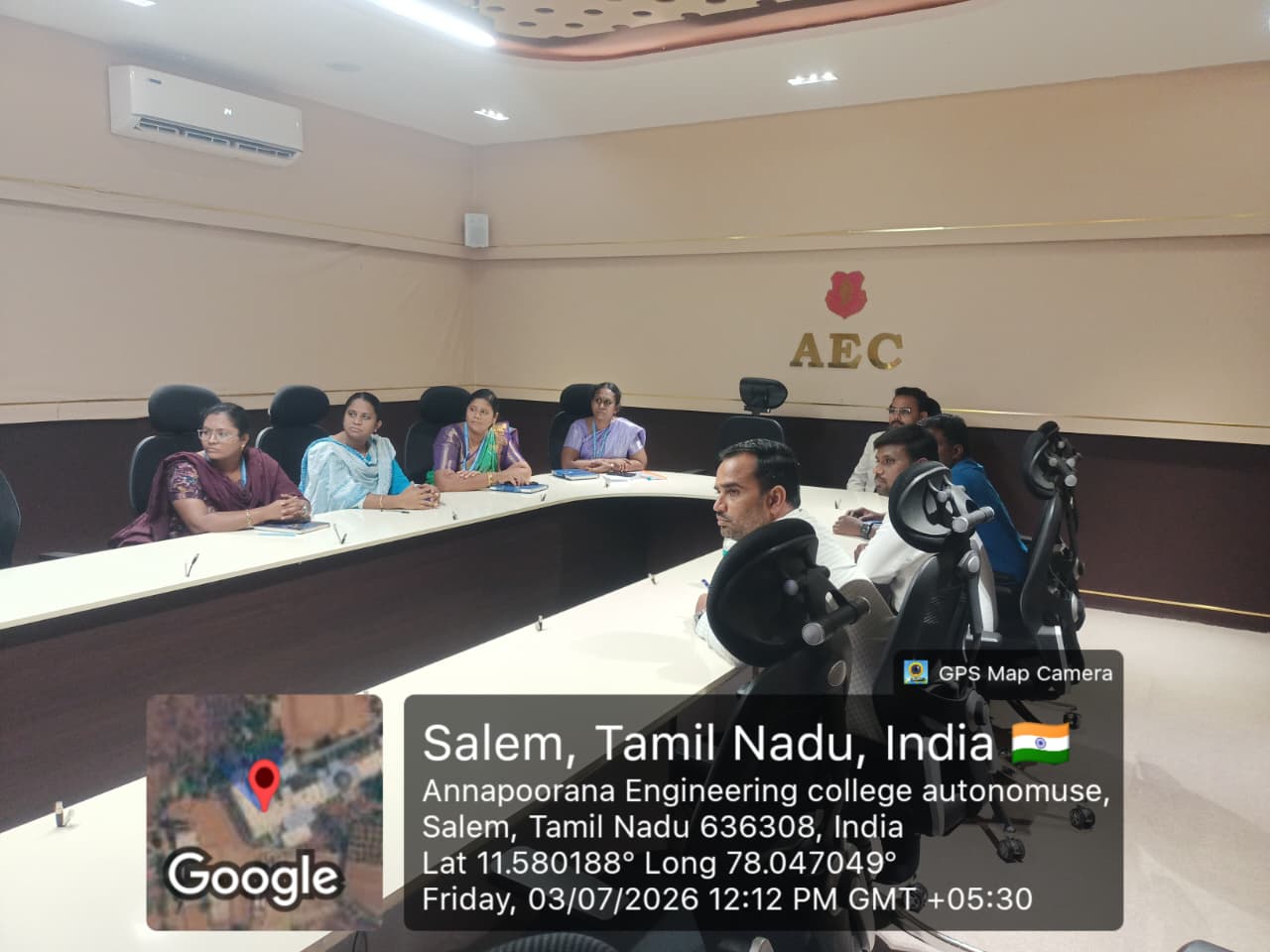
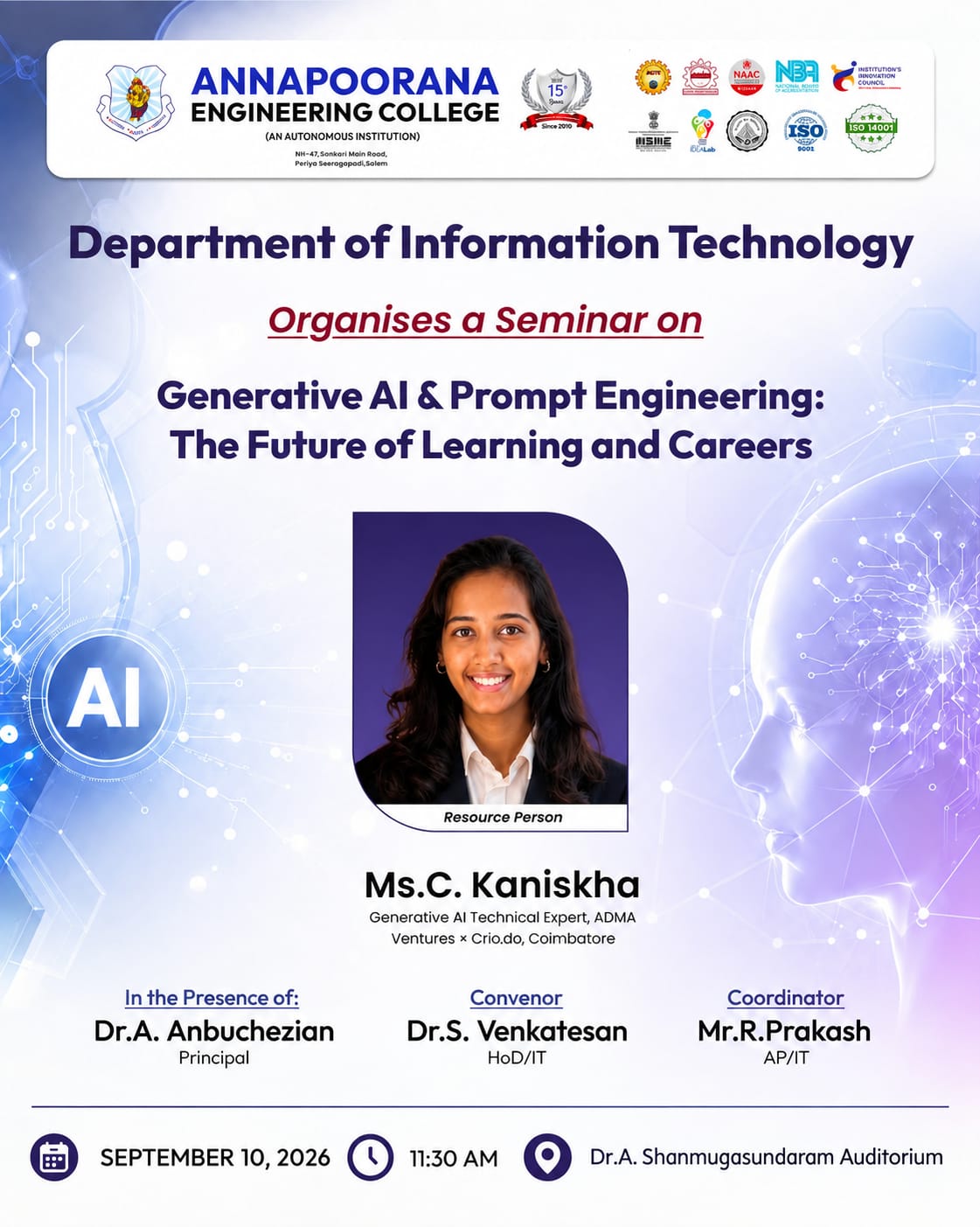
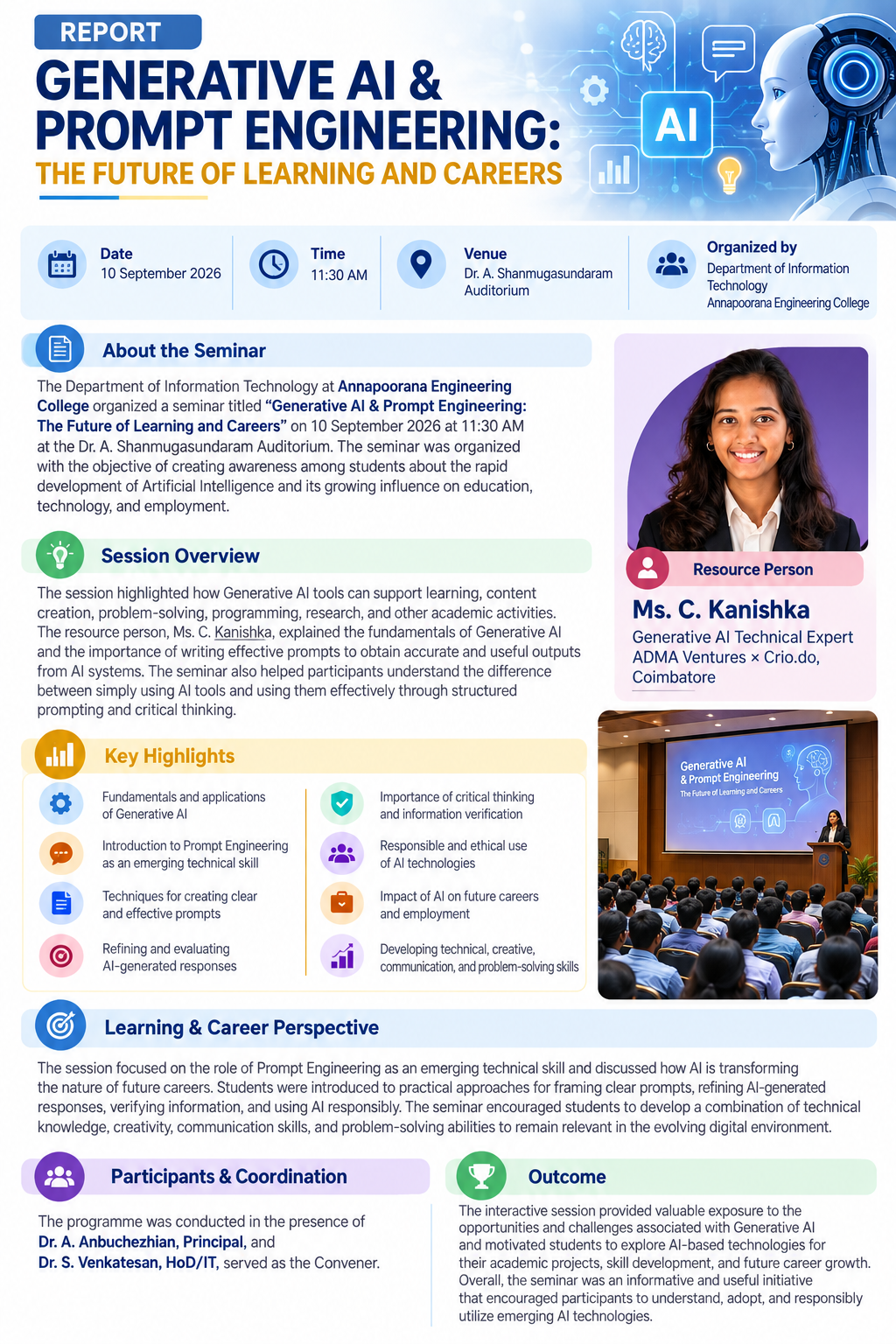
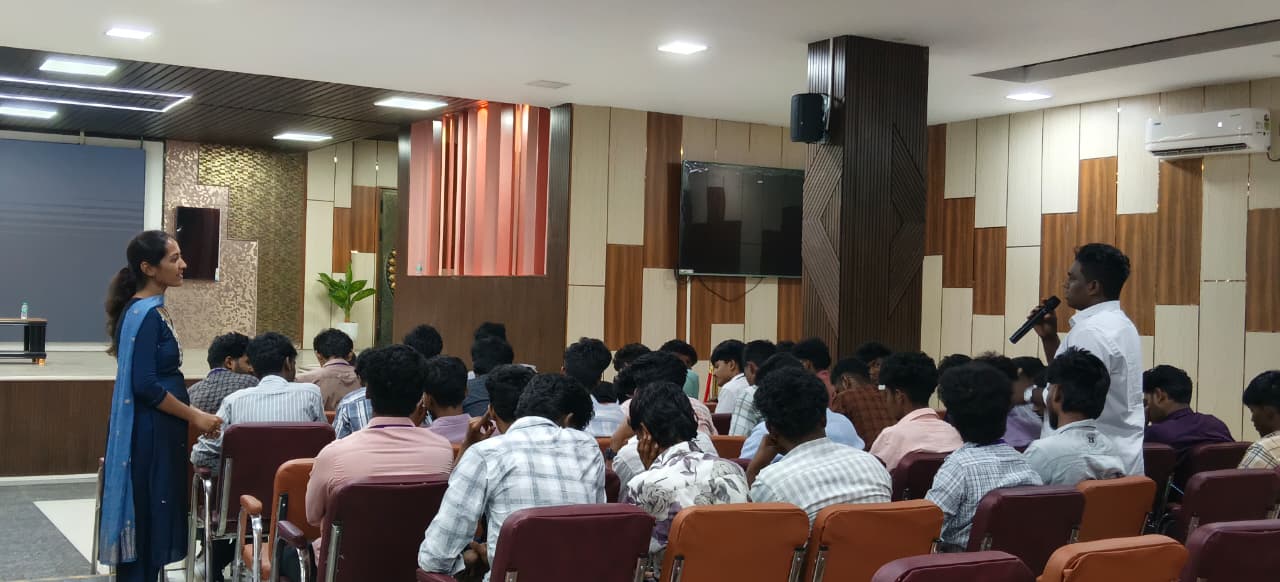
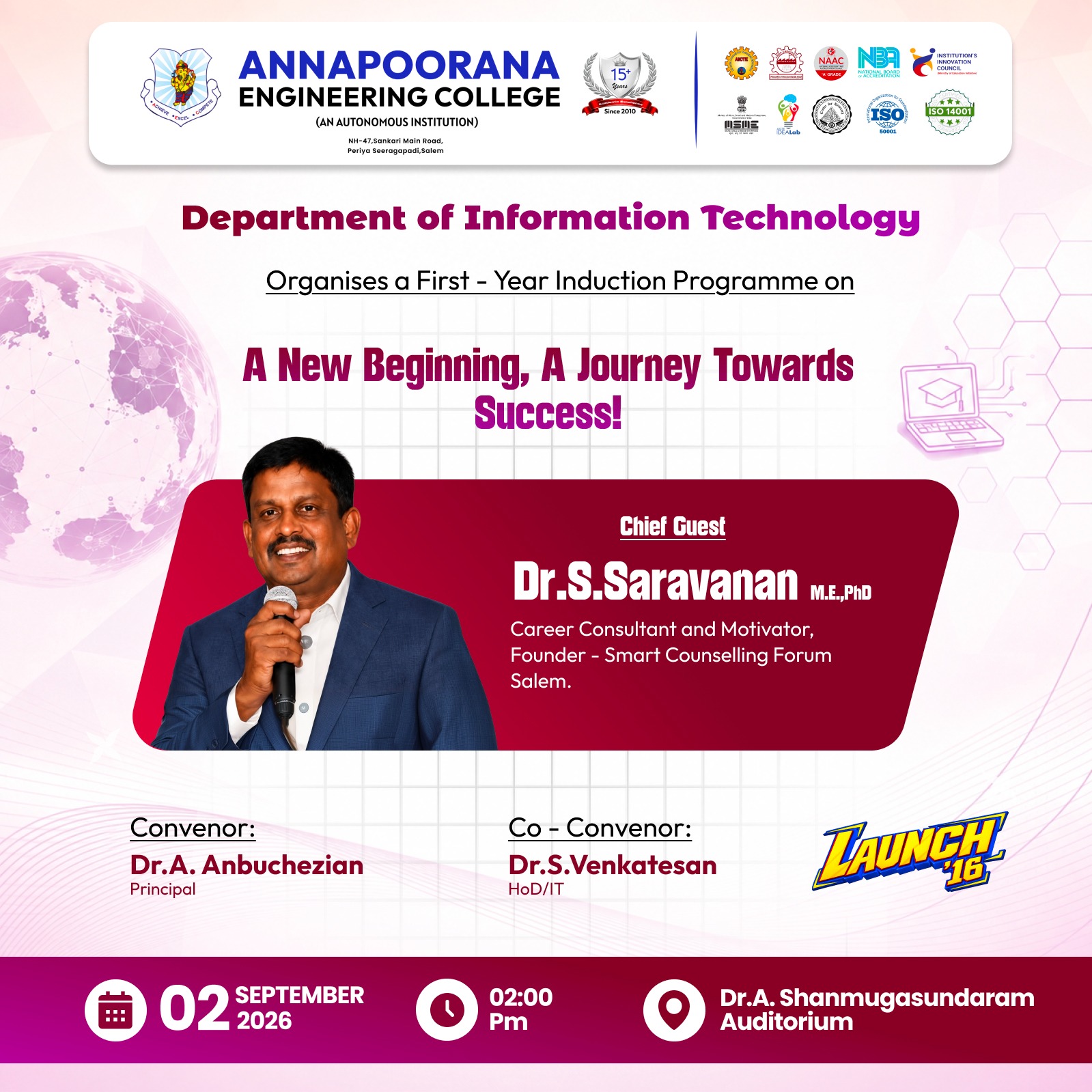
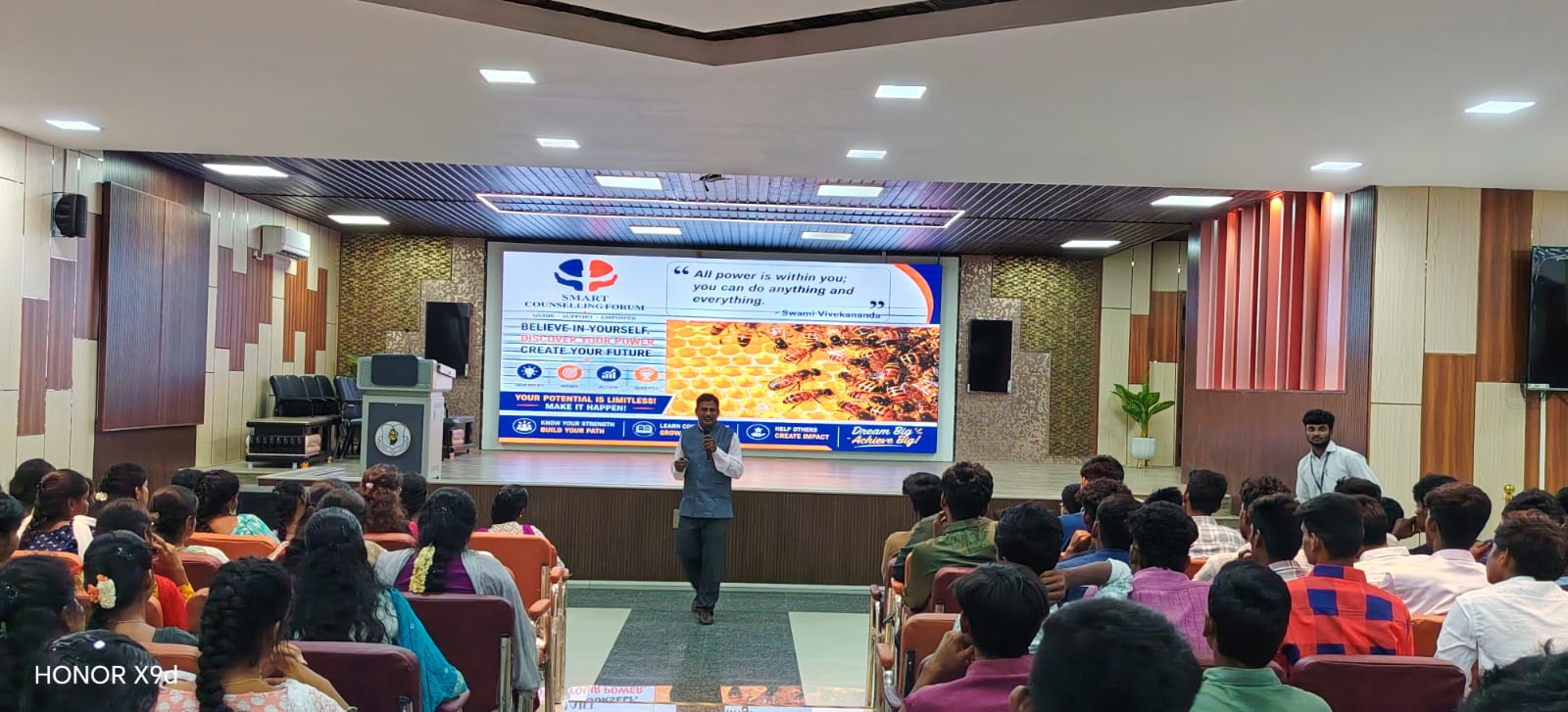
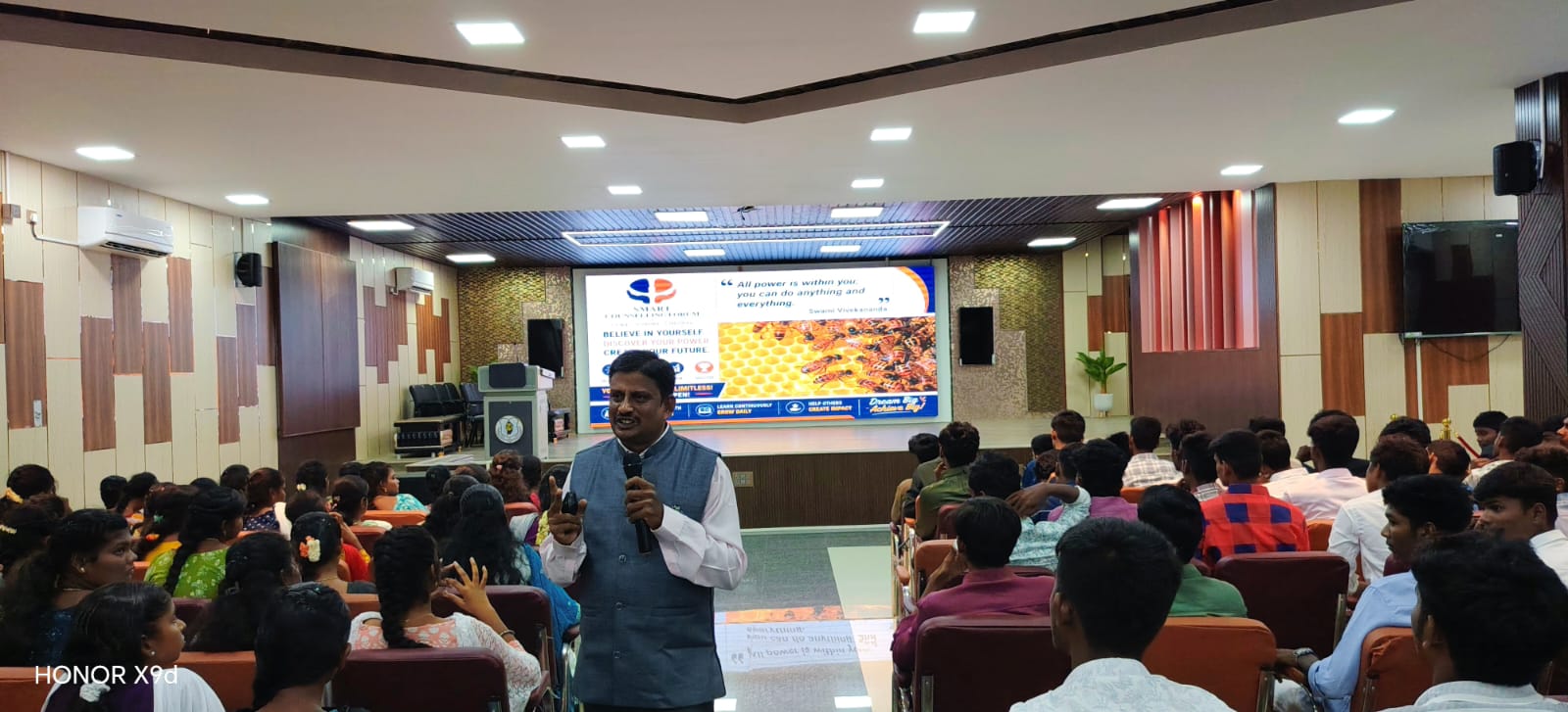
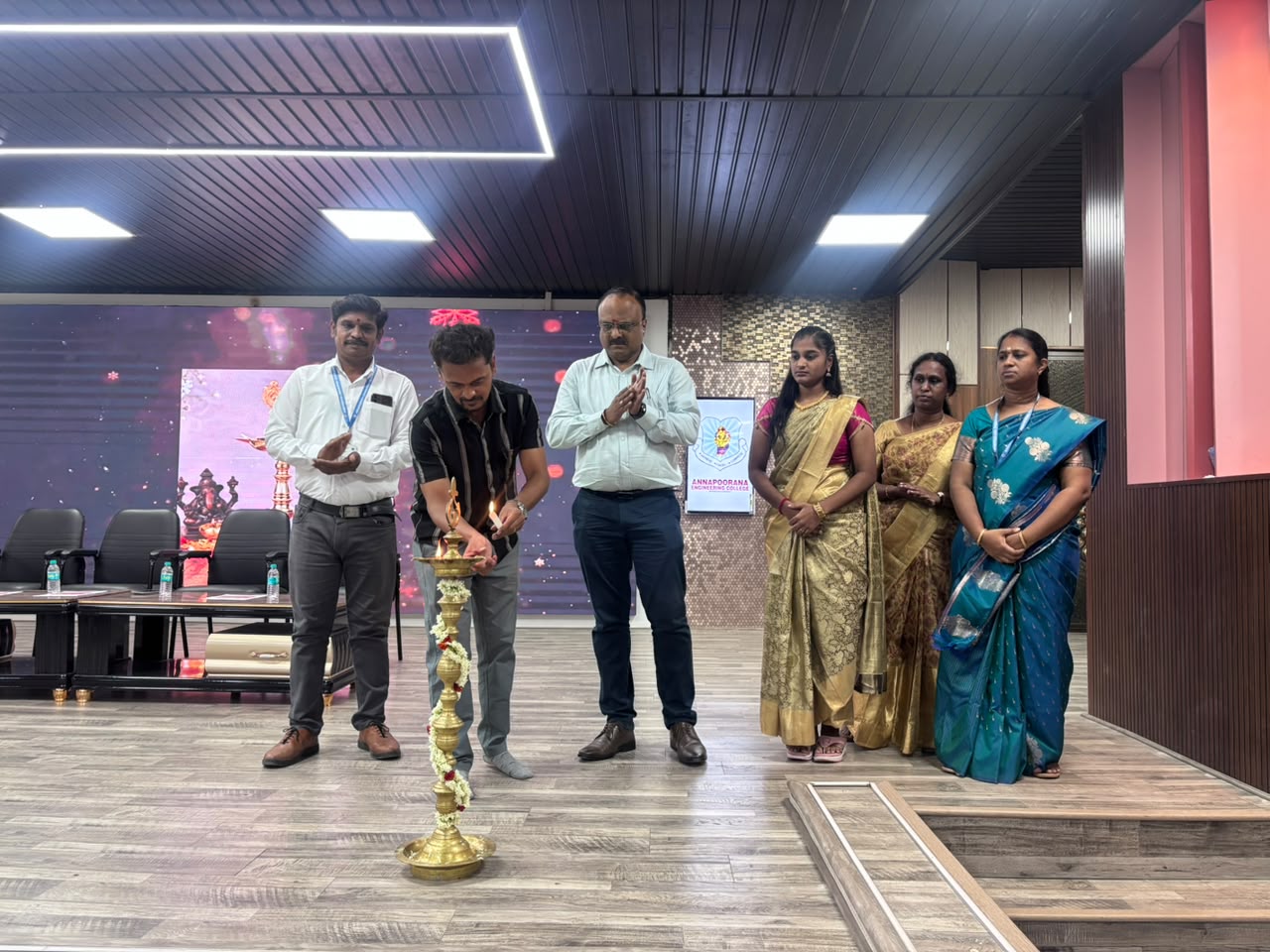
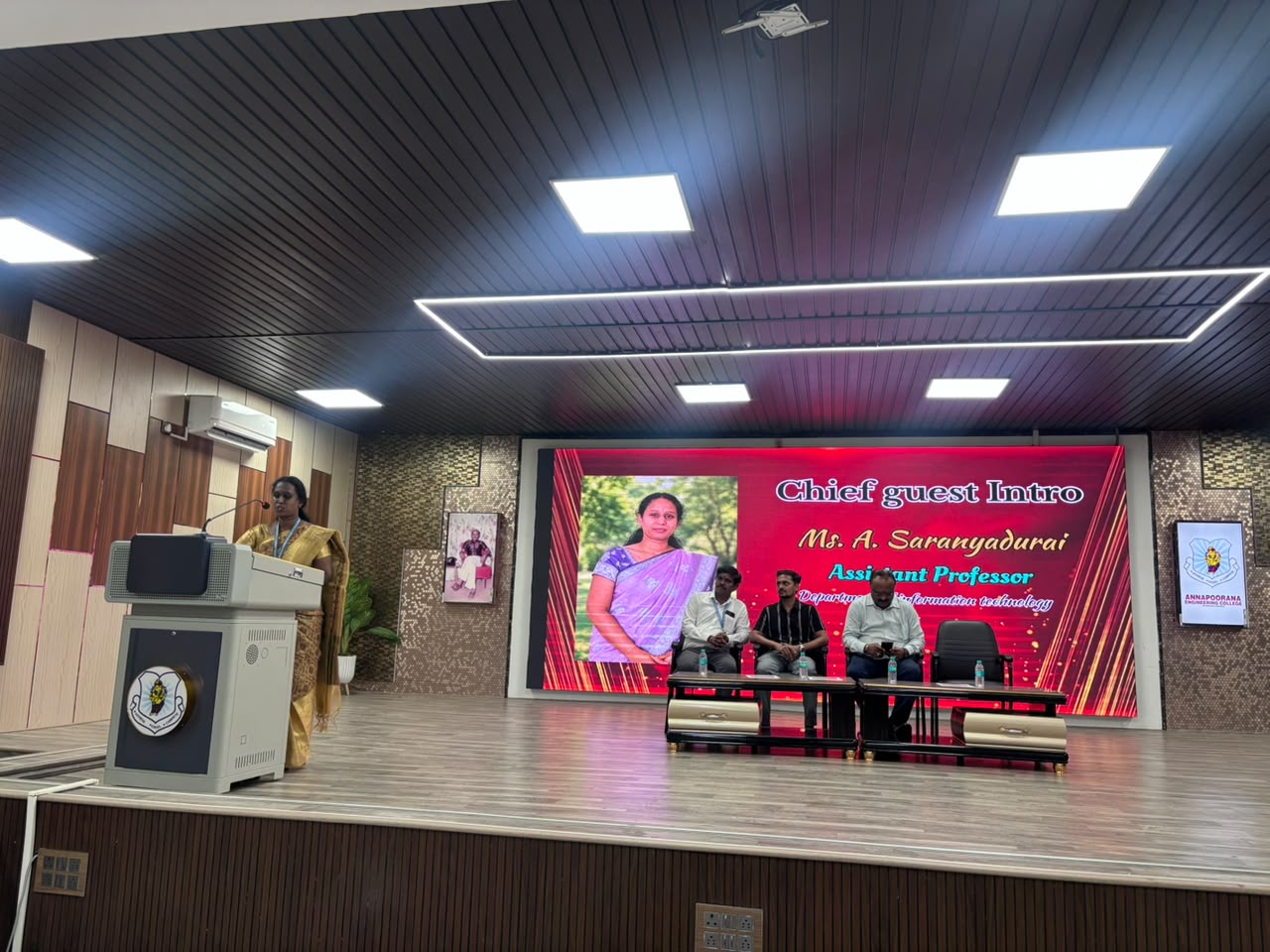
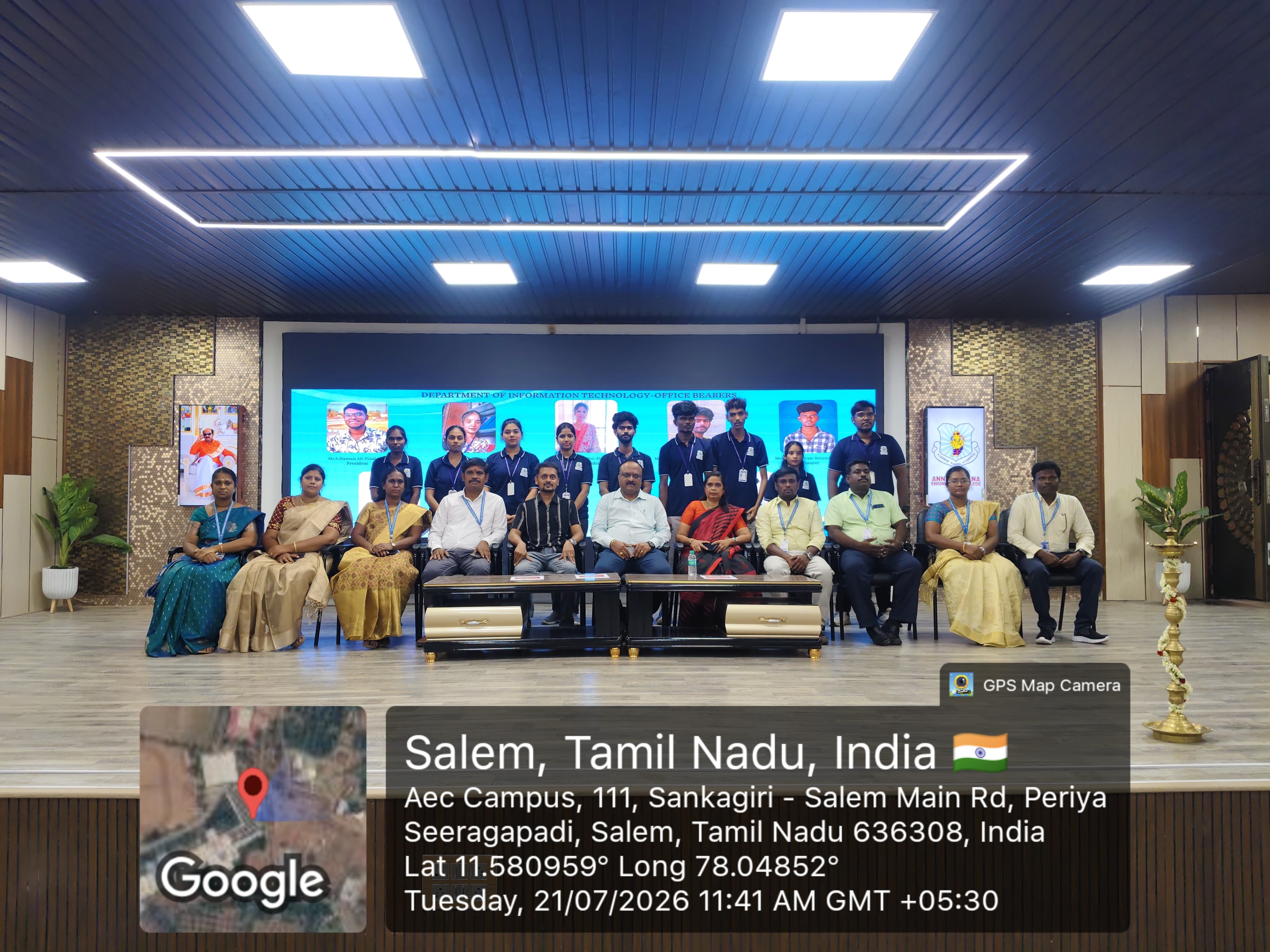
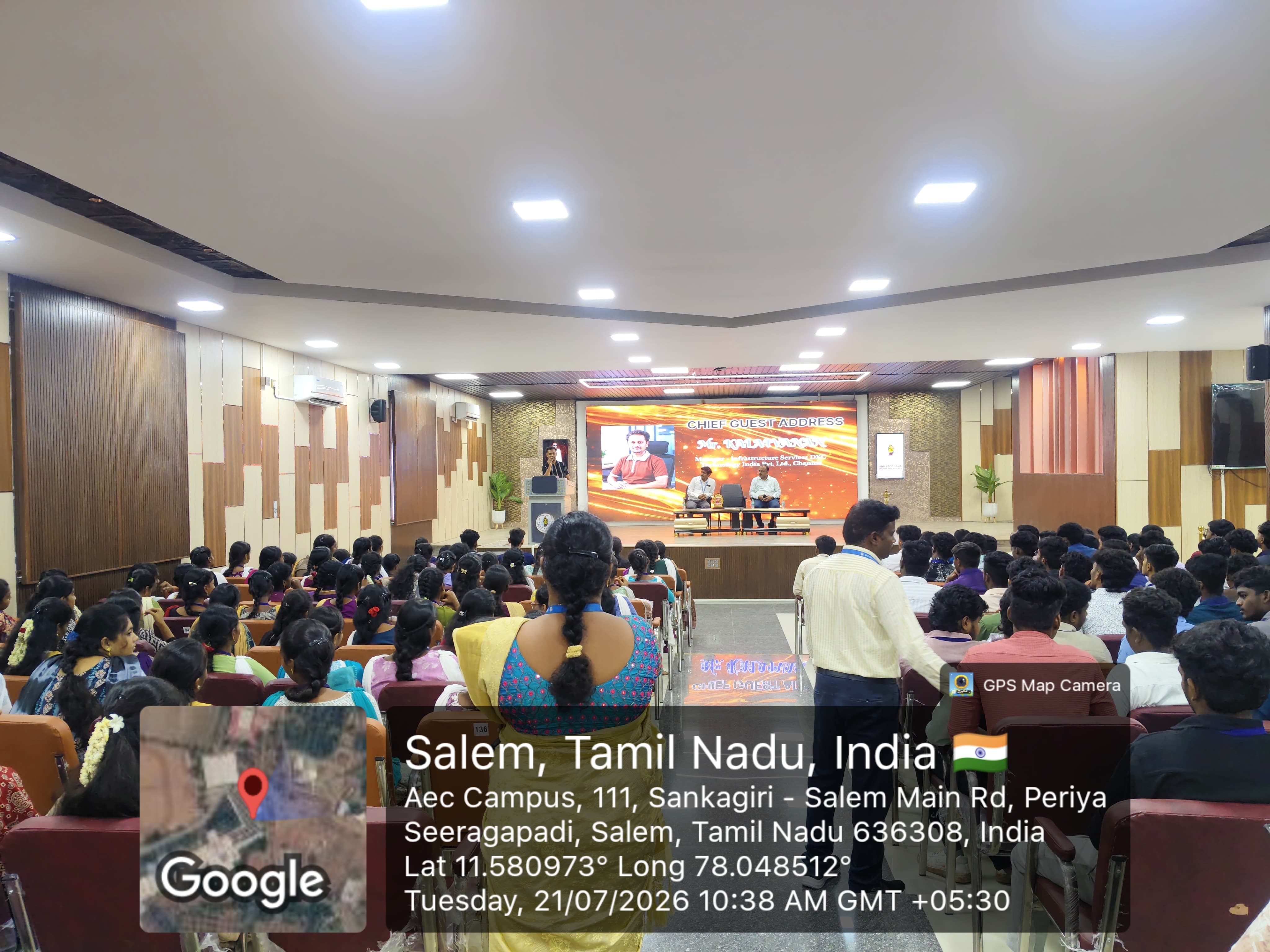
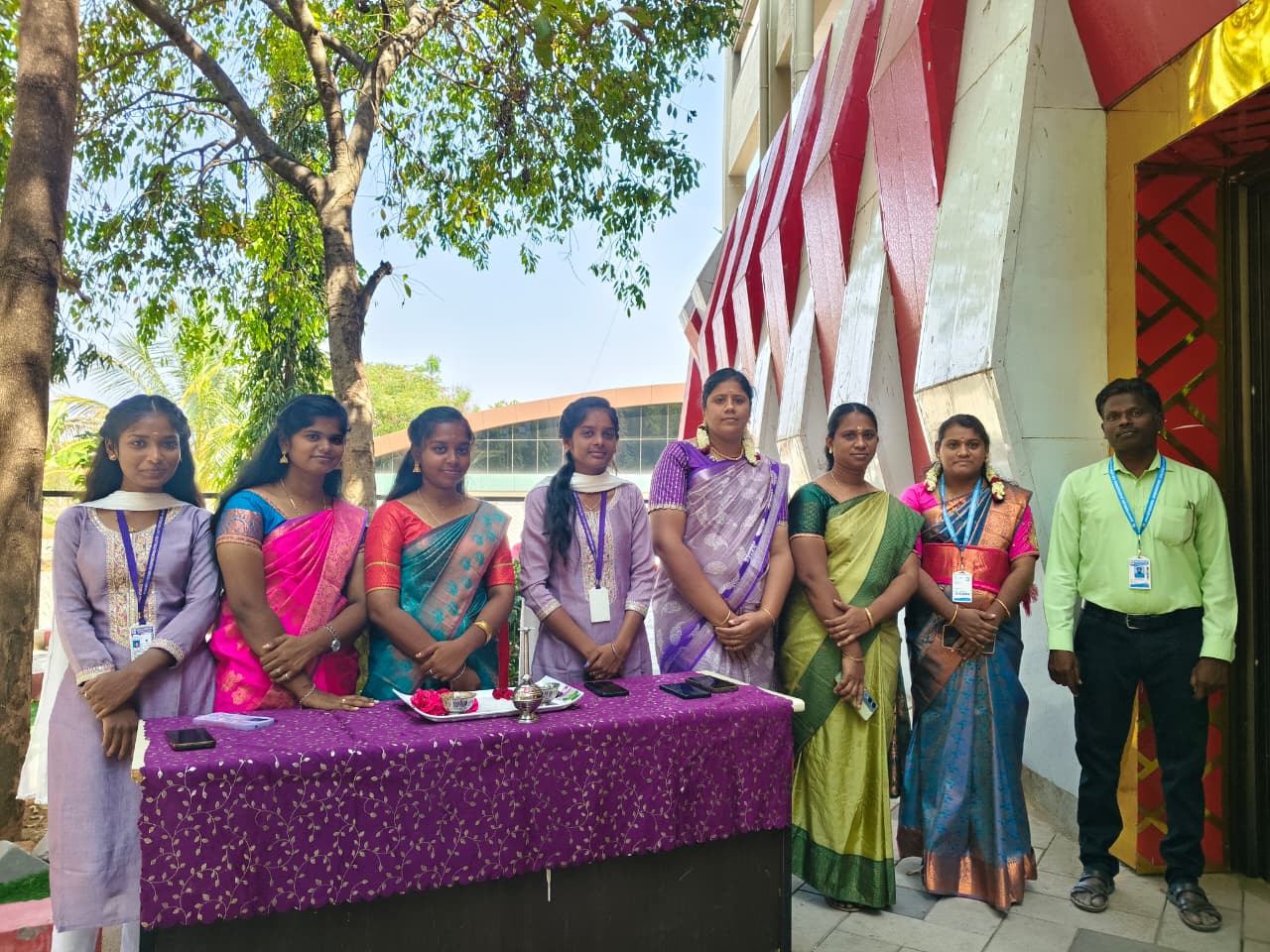
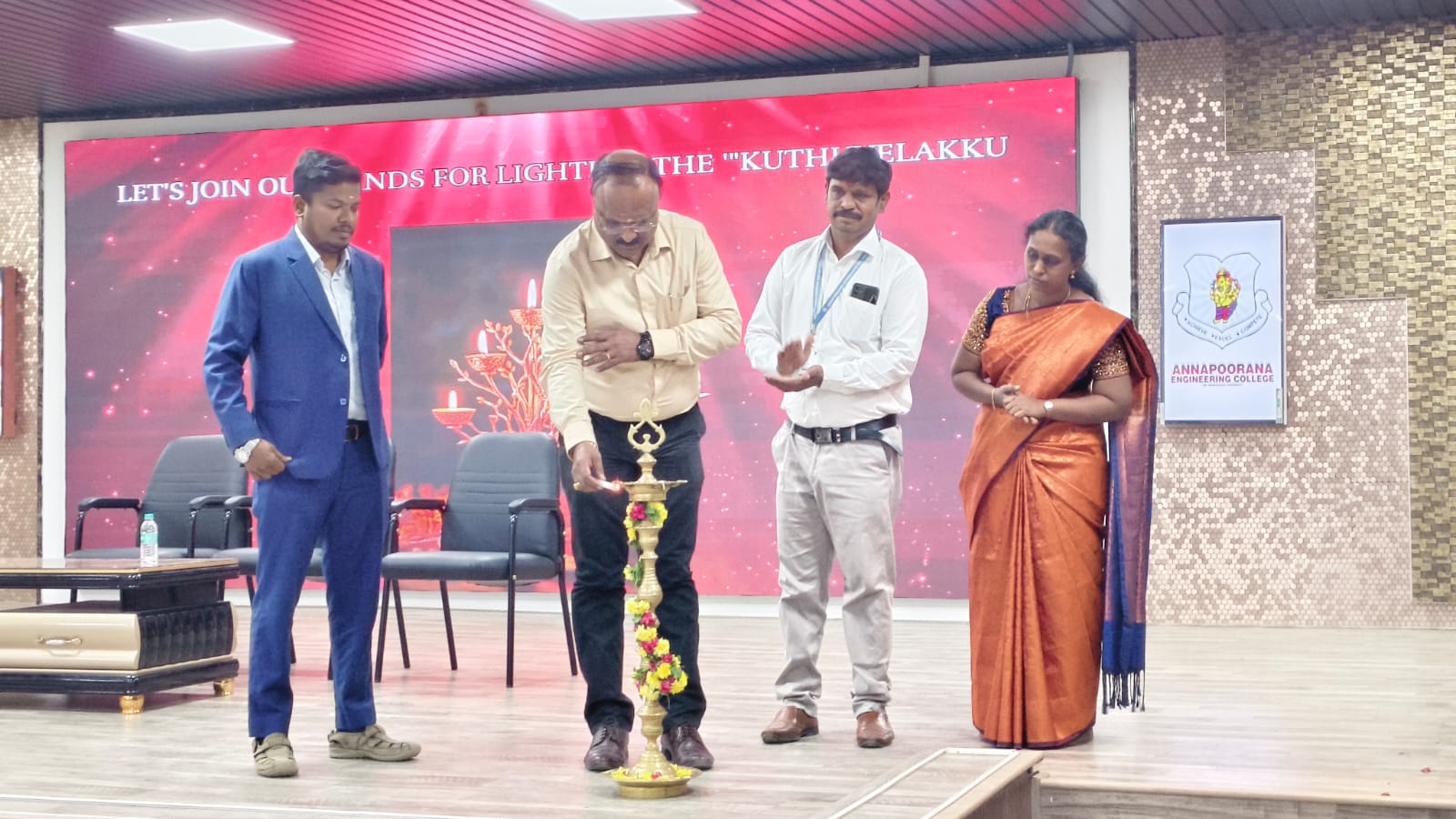
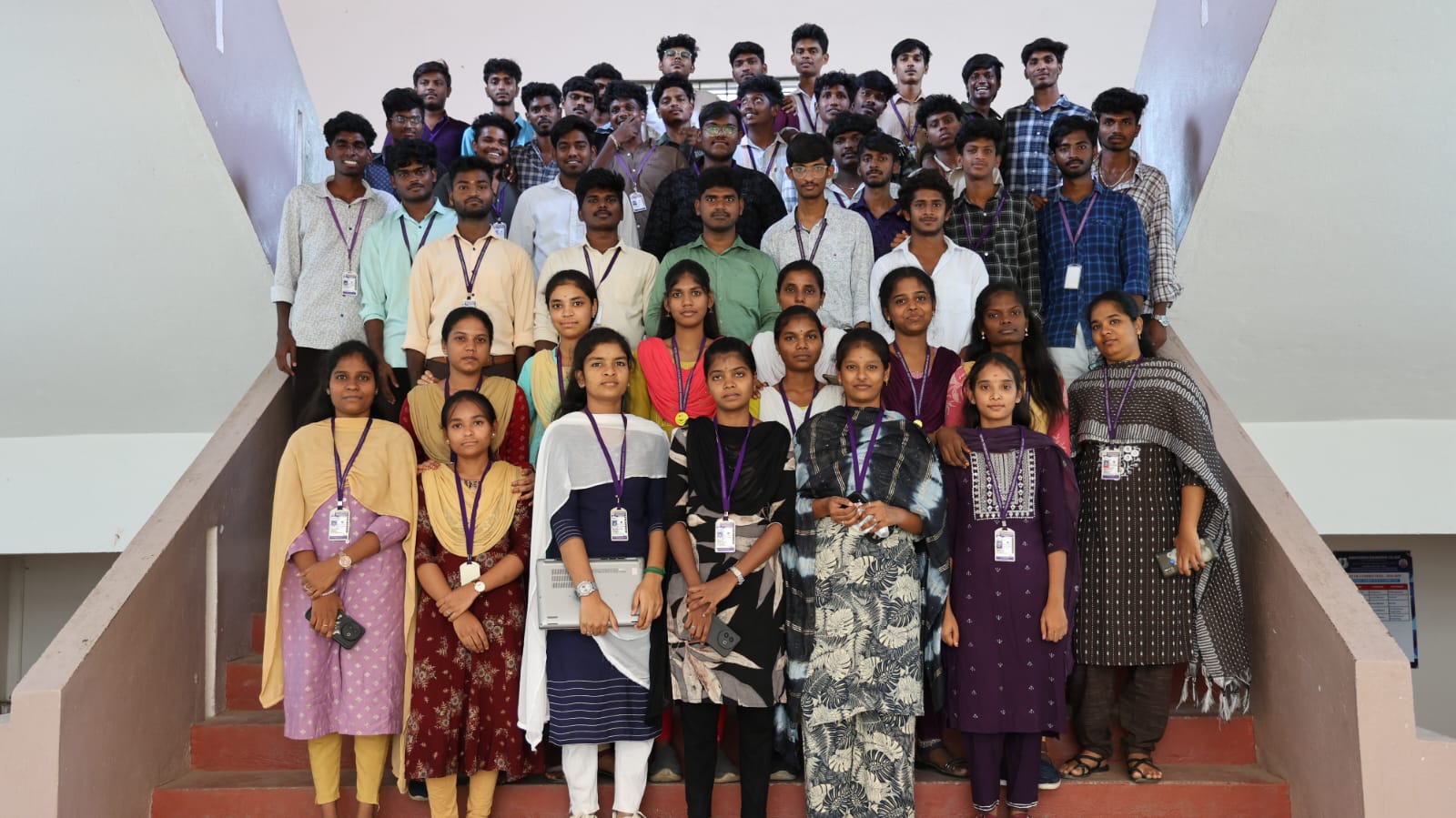
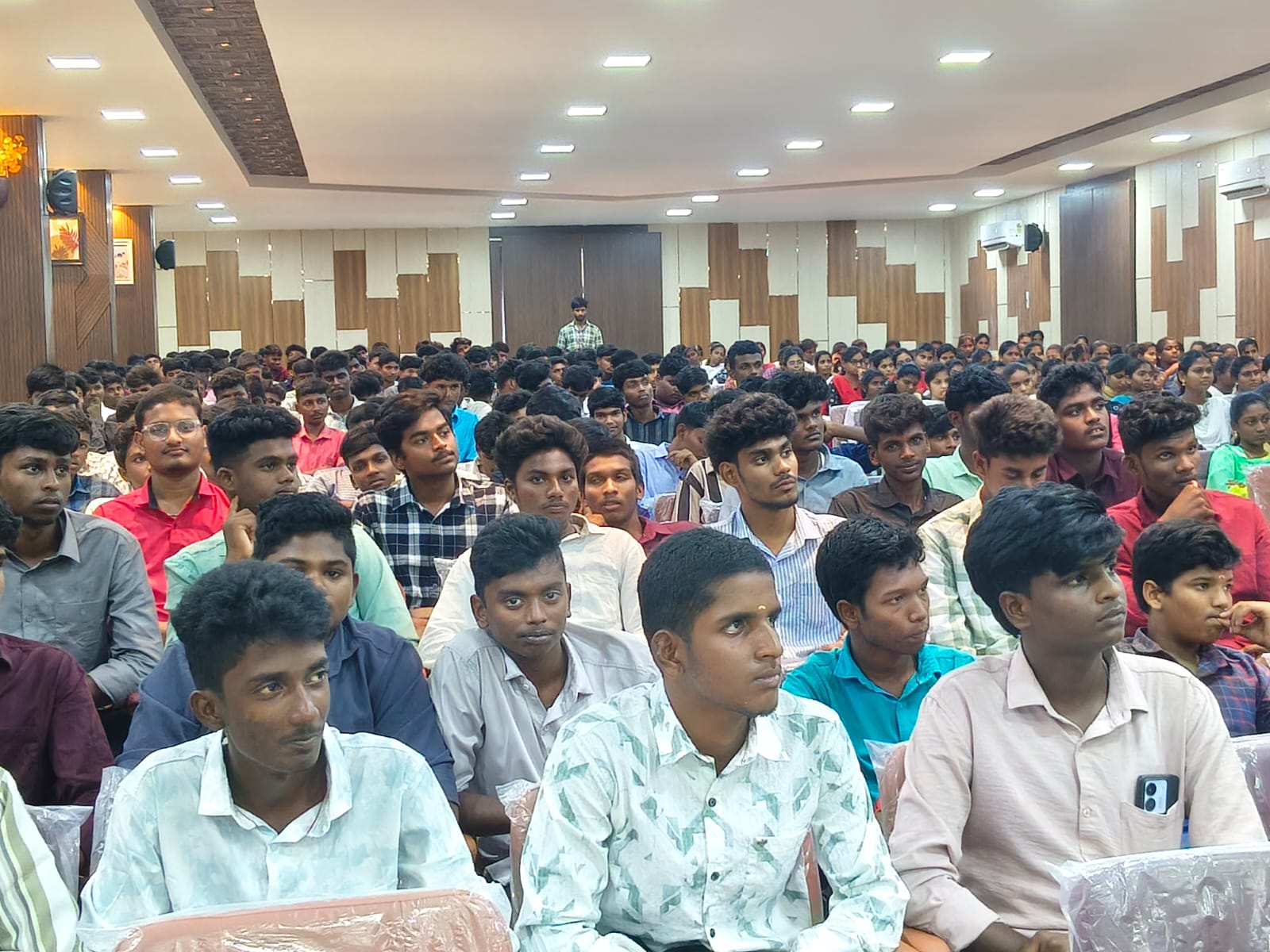
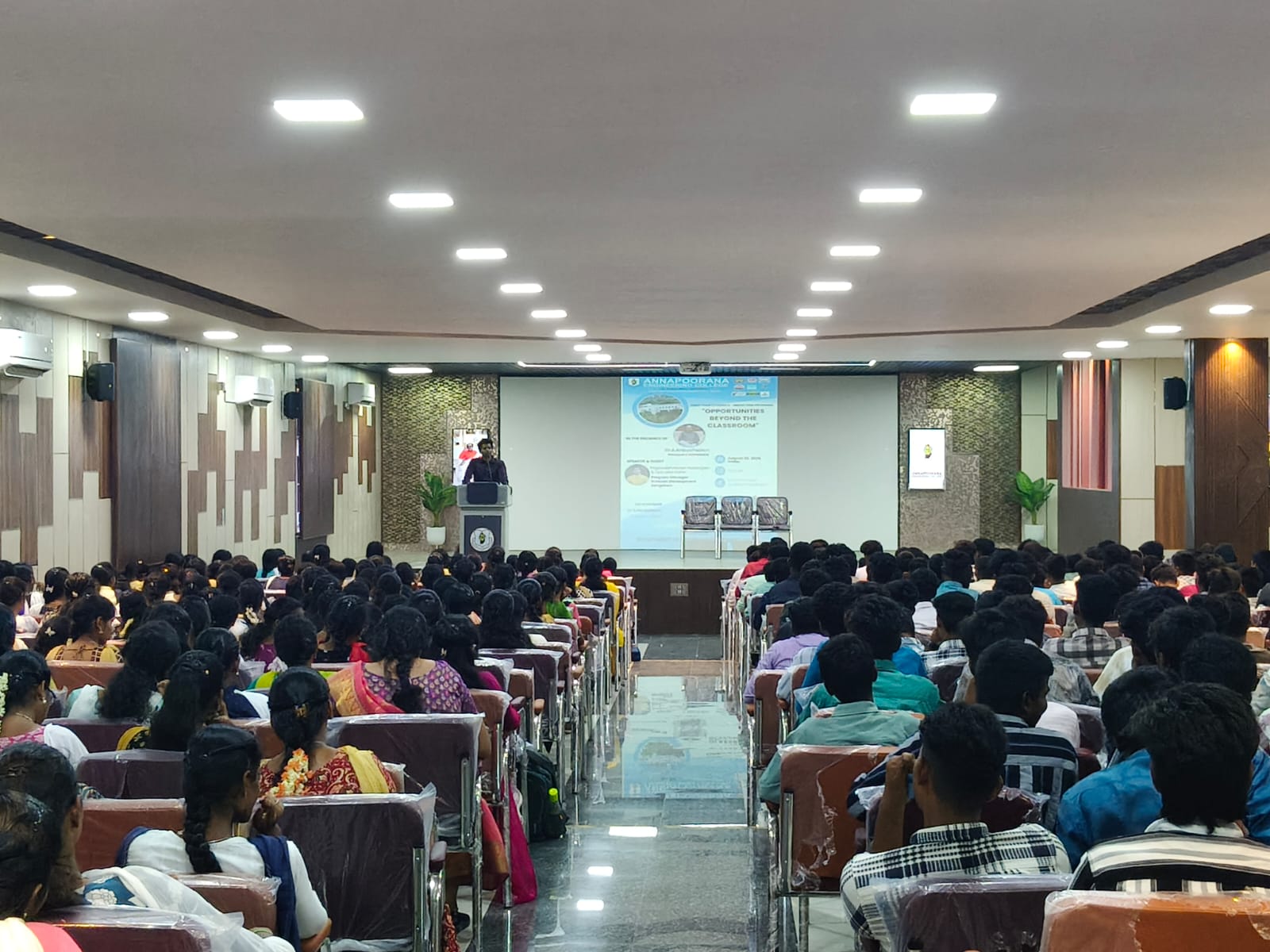
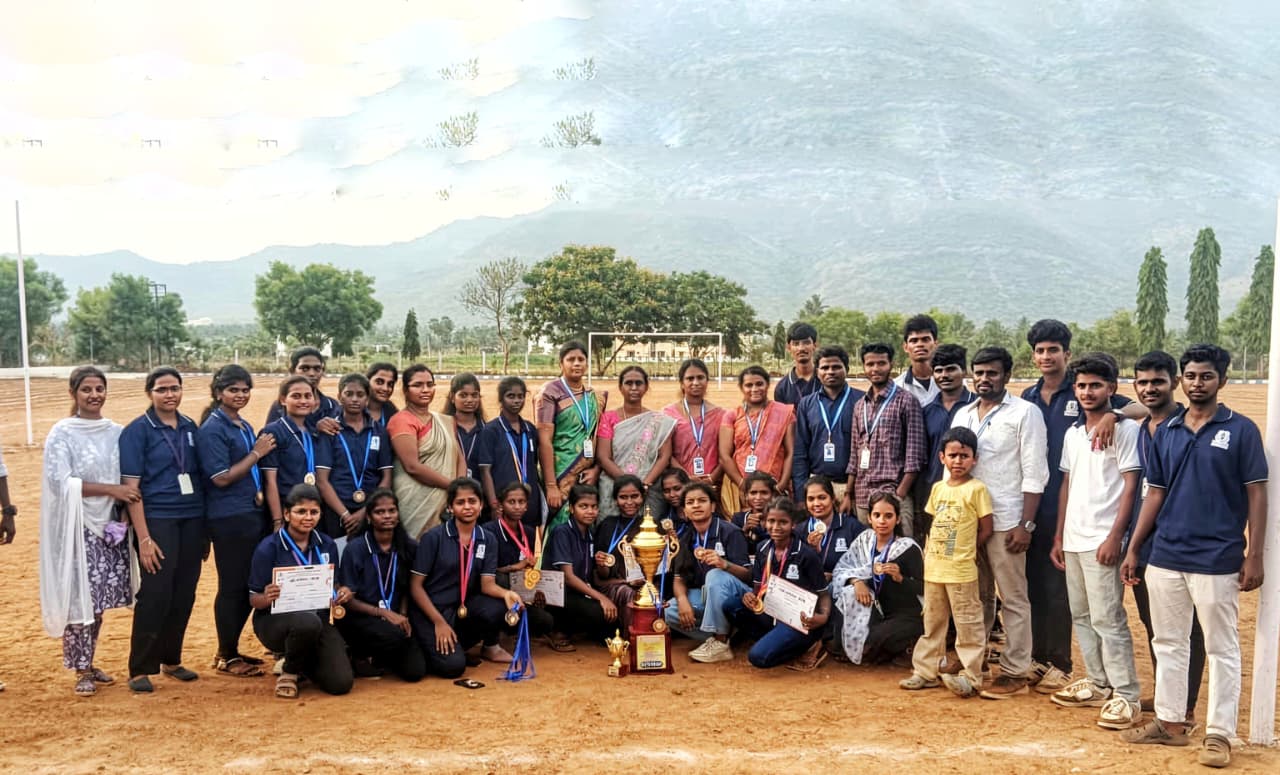
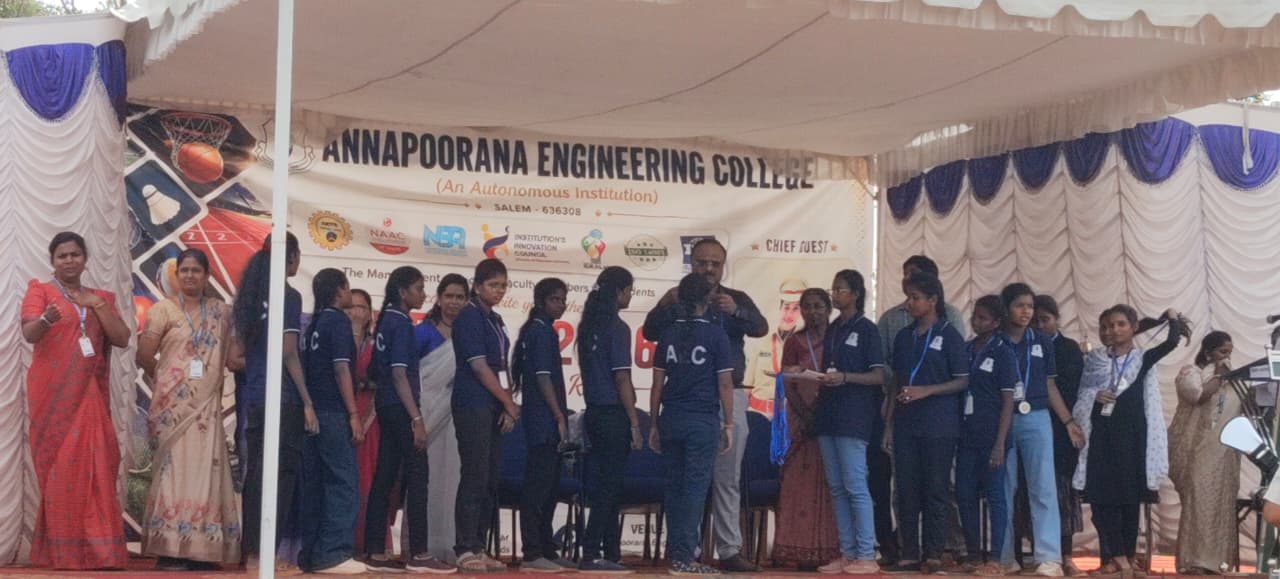
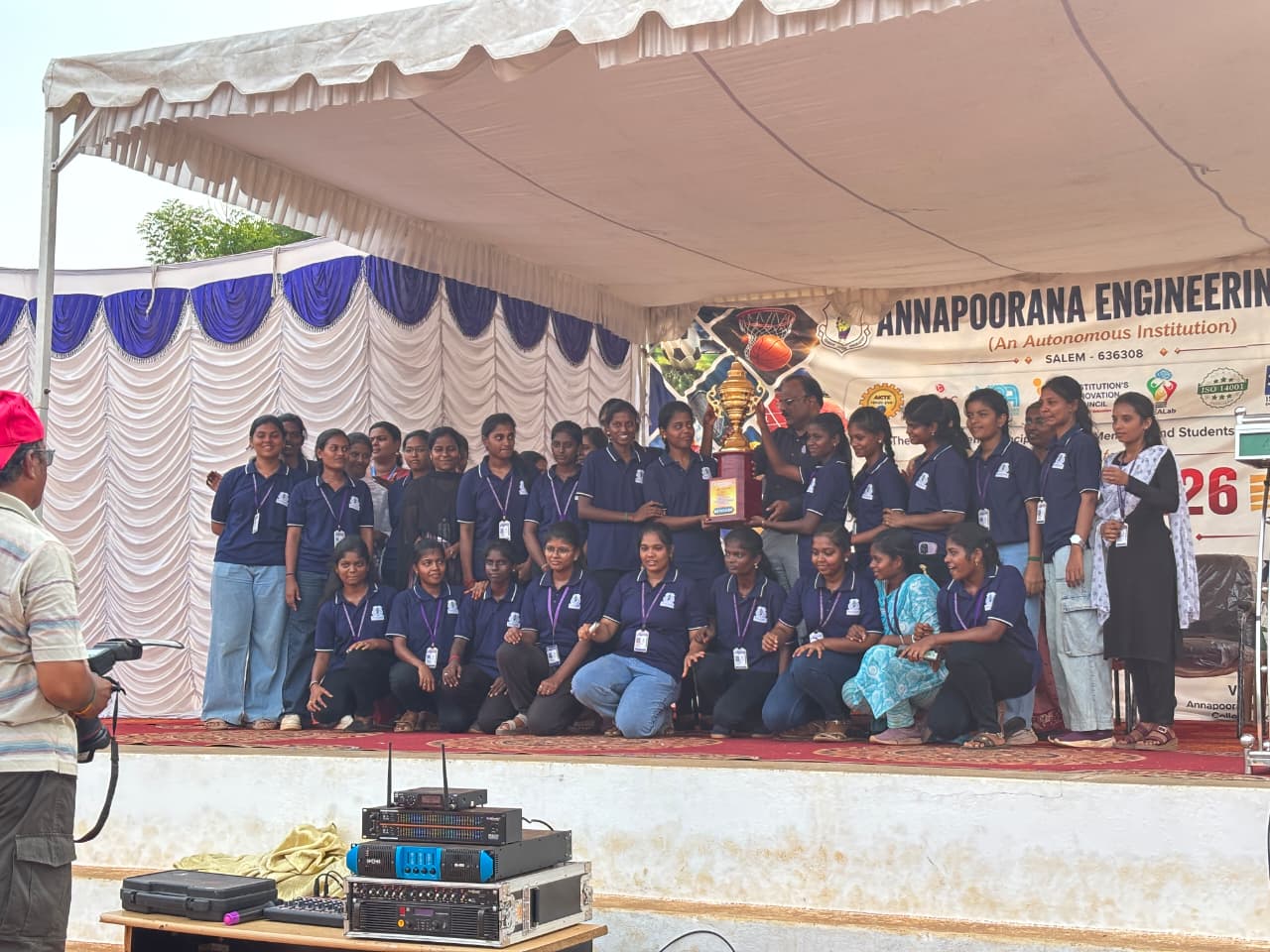
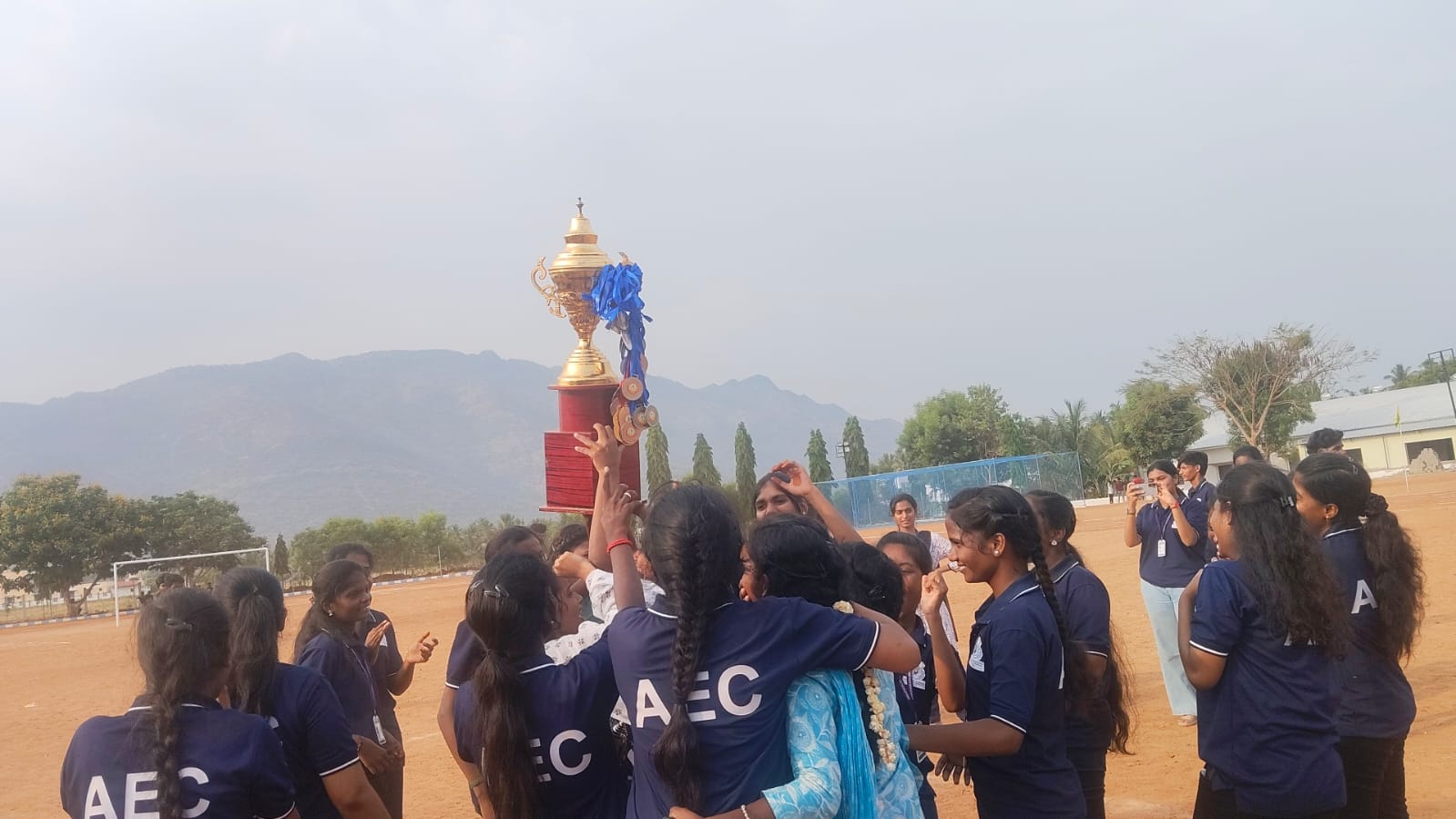
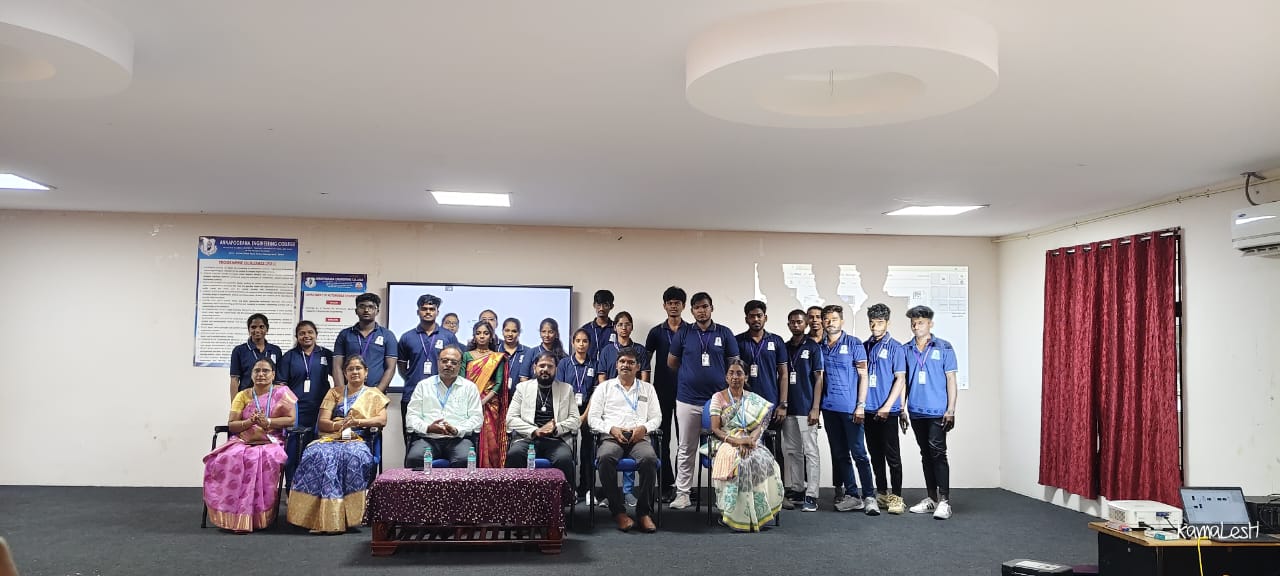
Glimpses of activities, workshops, symposiums, and achievements.
Reach out to the Head of the Department.
M.E., Ph.D.