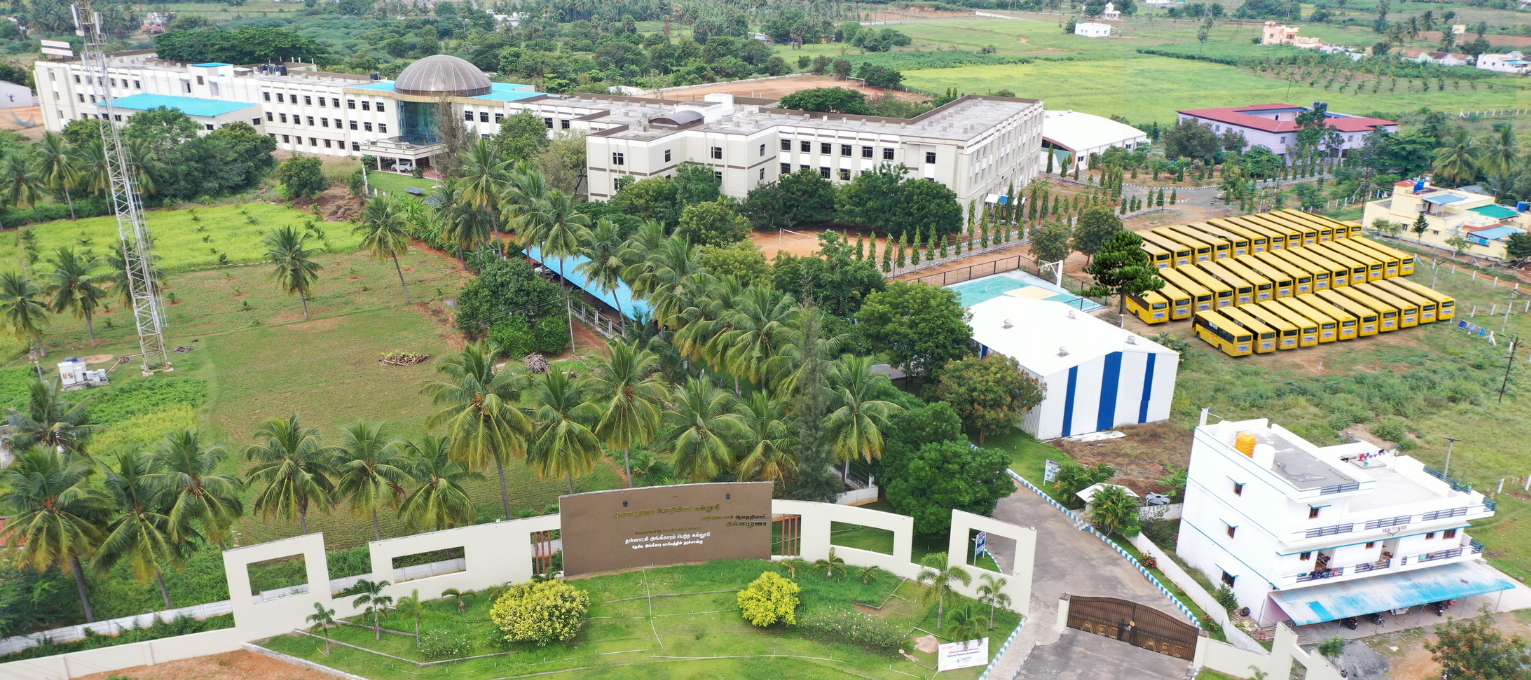
The Department of Civil Engineering is proud to announce the commencement of the 2-Year Full-Time M.E Structural Engineering programme for the 2026–2027 academic year, offering a specialised curriculum designed to connect advanced theoretical mechanics with modern construction practice. With a cohort of 24 students, this postgraduate course provides an intimate and rigorous learning environment where aspiring engineers can master the complexities of earthquake-resistant design, advanced concrete technology, and sophisticated computational analysis using industry-standard software.
Our programme is tailored for B.E. Civil Engineering graduates seeking to lead in the evolving infrastructure landscape, emphasising sustainable structural systems and innovative material applications. Guided by a faculty of seasoned experts and supported by state-of-the-art laboratory facilities, students engage in high-impact research and real-world project simulations, graduating as highly capable structural consultants and design specialists.

Achieve global eminence in civil engineering through teaching, innovation and research.

Engineering Graduates will be able to:
Apply the knowledge of mathematics, natural science, computing, and engineering fundamentals and an engineering specialisation to the solution of complex engineering problems.
Identify, formulate, and analyse complex engineering problems, reaching substantiated conclusions with consideration for the holistic nature of the problem.
Design creative solutions for complex engineering problems and design systems, components, or processes to meet identified needs — with consideration for public health and safety, and cultural, societal, and environmental factors. Sustainability is now intrinsic to design.
Conduct investigations of complex engineering problems using research-based knowledge and research methods, including design of experiments, analysis and interpretation of data, and synthesis of information to provide valid conclusions.
Create, select, and apply appropriate techniques, resources, and modern engineering and IT tools, including prediction and modelling — recognising their limitations — to solve complex engineering problems.
Analyse and evaluate societal and environmental aspects while solving complex engineering problems, considering their impact on sustainability with reference to economy, health, safety, legal frameworks, culture, and the environment.
Apply ethical principles and commit to professional ethics, human values, diversity, and inclusion; and adhere to relevant national and international laws.
Function effectively as an individual, and as a member or leader in diverse and multi-disciplinary teams.
Communicate effectively and inclusively within the engineering community and with society at large — comprehending and writing effective reports and design documentation, and making effective presentations — considering cultural, language, and learning differences.
Apply knowledge and understanding of engineering management principles and economic decision-making, and apply these to one's own work, as a member and leader in a team, to manage projects in multi-disciplinary environments.
Recognise the need for, and have the preparation and ability for, independent and life-long learning, adaptability to new and emerging technologies, and critical thinking in the broadest context of technological change.
State-of-the-art laboratories equipped with modern instruments for hands-on learning.

The Structural Engineering Laboratory is a state-of-the-art facility designed to support academic and research activities in the field of Structural Engineering. The laboratory is equipped with a 100-ton capacity Loading Frame, high-capacity hydraulic jacks, load cells, data acquisition systems, non-destructive testing equipment like Ultrasonic Pulse Velocity Tester and Rebound Hammer, and other modern experimental setups. It provides students with hands-on experience in testing concrete prototypes, structural components, and investigating the mechanical properties and durability of modern construction materials under various loading conditions.
| S. No. | Equipment Name |
|---|---|
| 1 | Data Acquisition System (16-channel) |
| 2 | Loading Frame – 100 Ton |
| 3 | Hydraulic Jack – 500 kN Capacity with Gauge & Hand Pump |
| 4 | Load Cell – 50 T Capacity |
| 5 | Proving Ring – 500 kN Capacity |
| 6 | LVDT |
| 7 | L-Box Apparatus |
| 8 | J-Box Apparatus |
| 9 | V-Funnel Apparatus |
| 10 | Concrete Core Cutter |
| 11 | Ultrasonic Pulse Velocity Tester |
| 12 | Concrete Permeability Test Apparatus |
| 13 | Rebound Hammer |
| 14 | Compressometer |
| 15 | Rapid Chloride Penetration Test (RCPT) Apparatus |
| 16 | Demec Gauge |
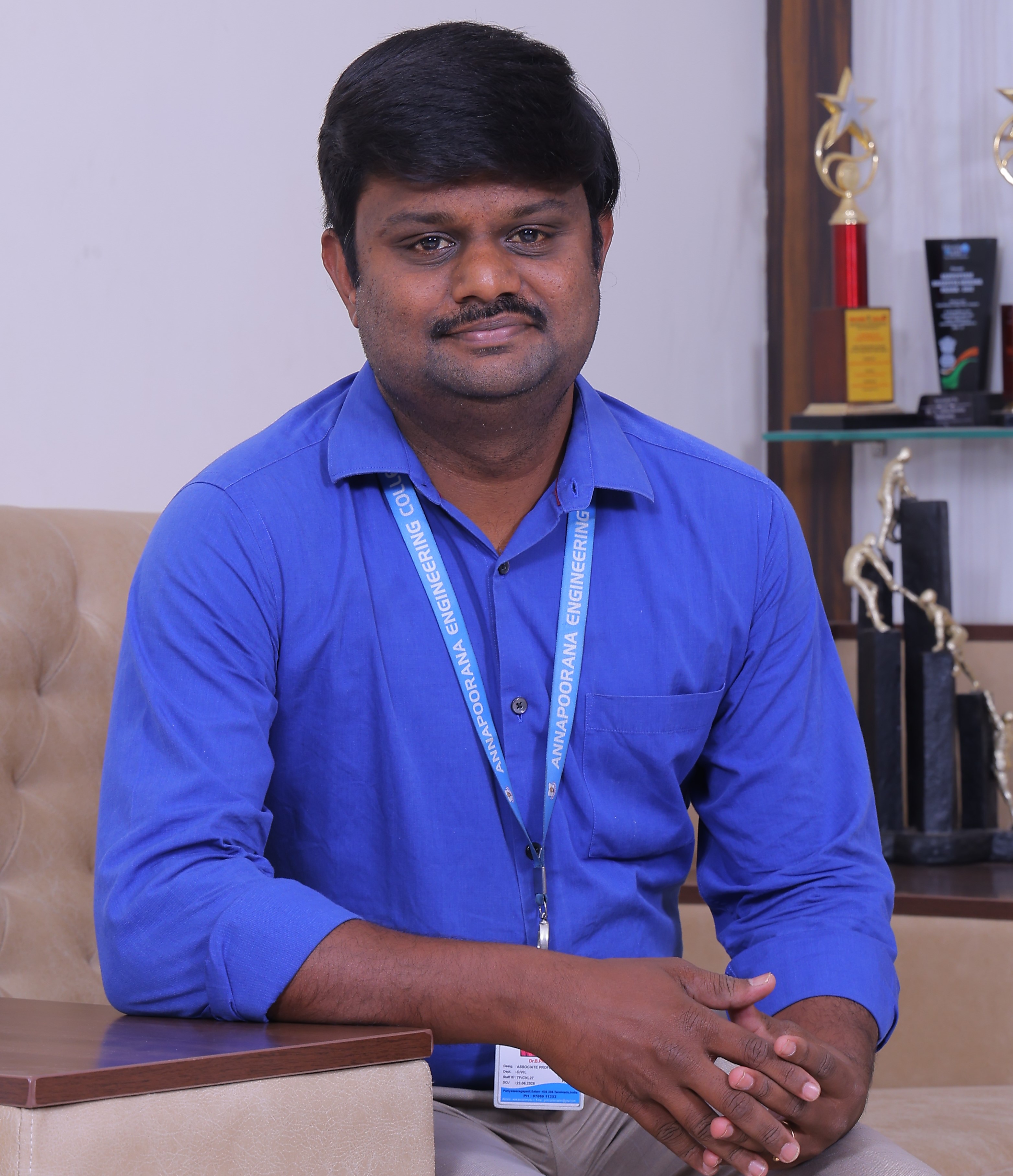
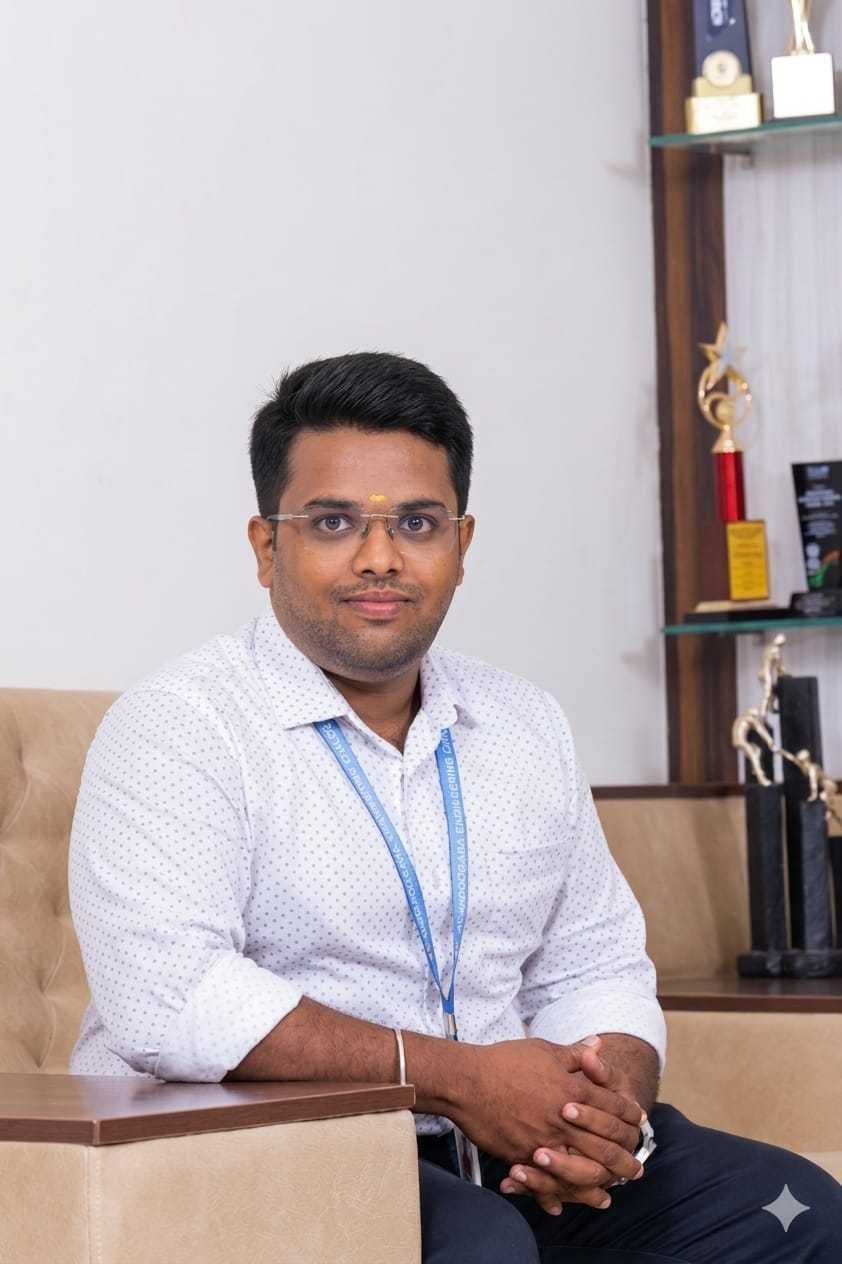
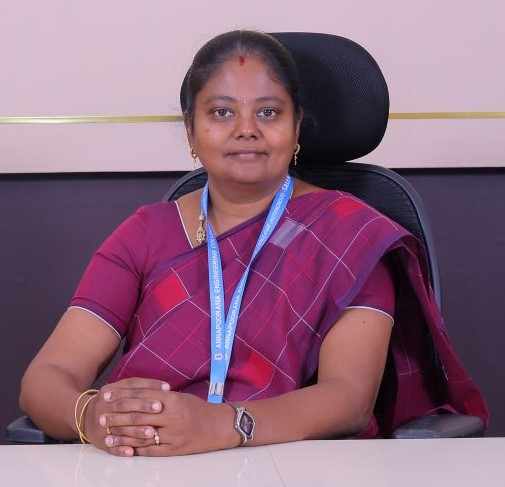
| S.No | AU - FIN | AICTE ID | Name & Designation | Photo |
|---|---|---|---|---|
| 1 | 2661011989 | 1-7490982380 |
Dr. B. Prabu
Professor
|
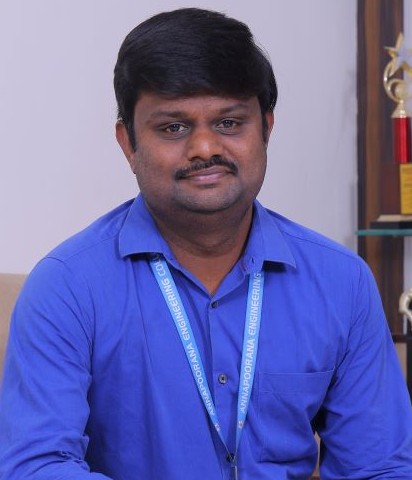
|
| 2 | 2612531993 | 1-3569036805 |
Dr. R. A. Shivasakthivadivelan
Associate Professor
|
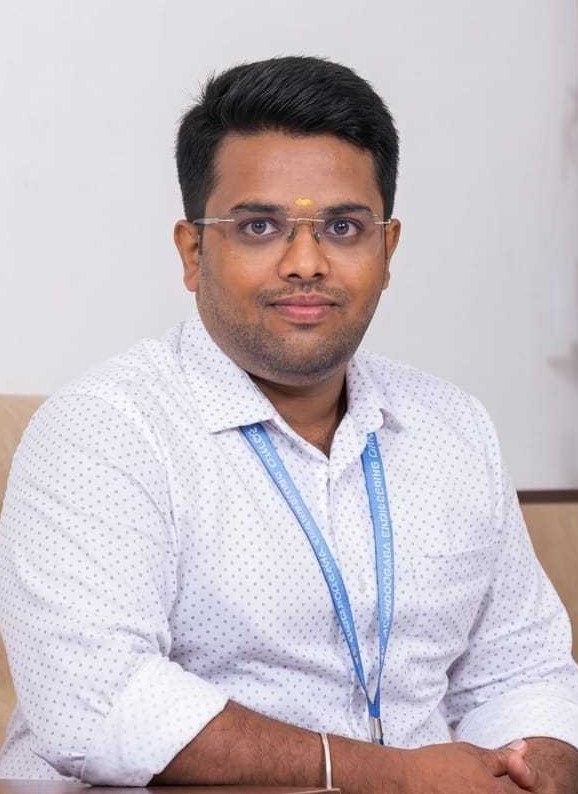
|
| 3 | 2685561990 | 1-3569153223 |
Mrs. T. Divya
Assistant Professor
|

|
Reach out to the Head of the Department.
M.E., Ph.D.
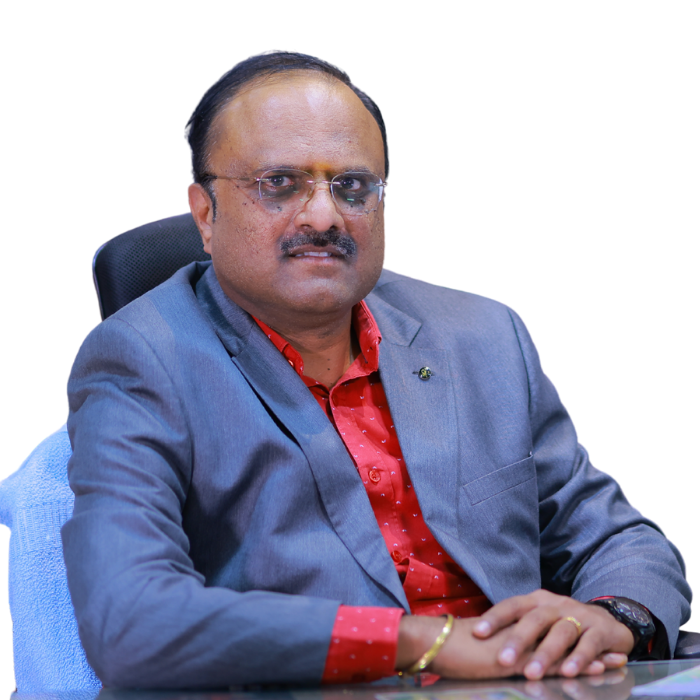
| Degree | Institute/Organisation | Specialisation | Year Of Passing |
|---|---|---|---|
| Ph.D | Anna University | Structural Engineering | 2005 |
| M.E | Anna University | Structural Engineering | 2002 |
| B.E. | Anna University | Civil Engineering | 2000 |
Content coming soon...
Content coming soon...
Content coming soon...
Content coming soon...
Content coming soon...
Content coming soon...