Trekking Club
- Vision
- Mission
- Objective of Trekking
- Rules and Regulations:
To inspire and enable individuals to connect with nature, challenge themselves physically and mentally, and foster a deep appreciation for the environment and sustainable adventure.
To organize safe, inclusive, and enriching trekking experiences that promote teamwork, physical fitness, and respect for nature, while encouraging students to step beyond their comfort zones and build lasting memories and friendships.
- Promote a spirit of adventure and appreciation for nature among students.
- It aims to enhance physical fitness and mental resilience through regular trekking activities.
- The club encourages teamwork, leadership, and the development of essential life skills.
- It also fosters environmental awareness by promoting sustainable and responsible trekking practices.
- The club provides a platform for students to explore the outdoors, build friendships, and create lasting memories.
- Follow the Group Leader/Guide: Always stay with your group and listen to your trek leader’s instructions.
- No Solo Trekking in Restricted Areas: Trekking alone in remote or dangerous areas is often prohibited.
- Inform About Medical Conditions: Disclose any health issues to the organizer before the trek.
- First Aid: Carry a personal first aid kit and know basic first aid procedures.
- No Littering: Carry back all non-biodegradable waste like plastic bottles, wrappers, etc.
- Respect Wildlife: Do not disturb or feed animals. Maintain a safe distance.
- No Campfires in Forests: Avoid lighting fires in forest areas unless permitted, to prevent wildfires.
- Stick to Trails: Do not take shortcuts or create new paths to avoid soil erosion and damage to flora.
- Maintain Silence: Avoid loud music or shouting, especially in forested or religious areas.
- Dress Modestly: Respect local customs and dress appropriately.
- No Alcohol or Drugs: Consumption of alcohol or narcotics during the trek is usually prohibited.
- Photography Restrictions: Avoid taking photos in restricted zones or of local people without permission.
- Designated Campsites: Set up tents only in permitted areas.
- Sanitation: Use eco-friendly toilets or dig a cat hole at least 200 feet from water sources.
- Food Storage: Store food properly to avoid attracting animals.
- Trekking Permits: Obtain necessary permits for trekking in national parks, restricted areas, or border zones.
- ID Proof: Carry valid identity proof at all times.
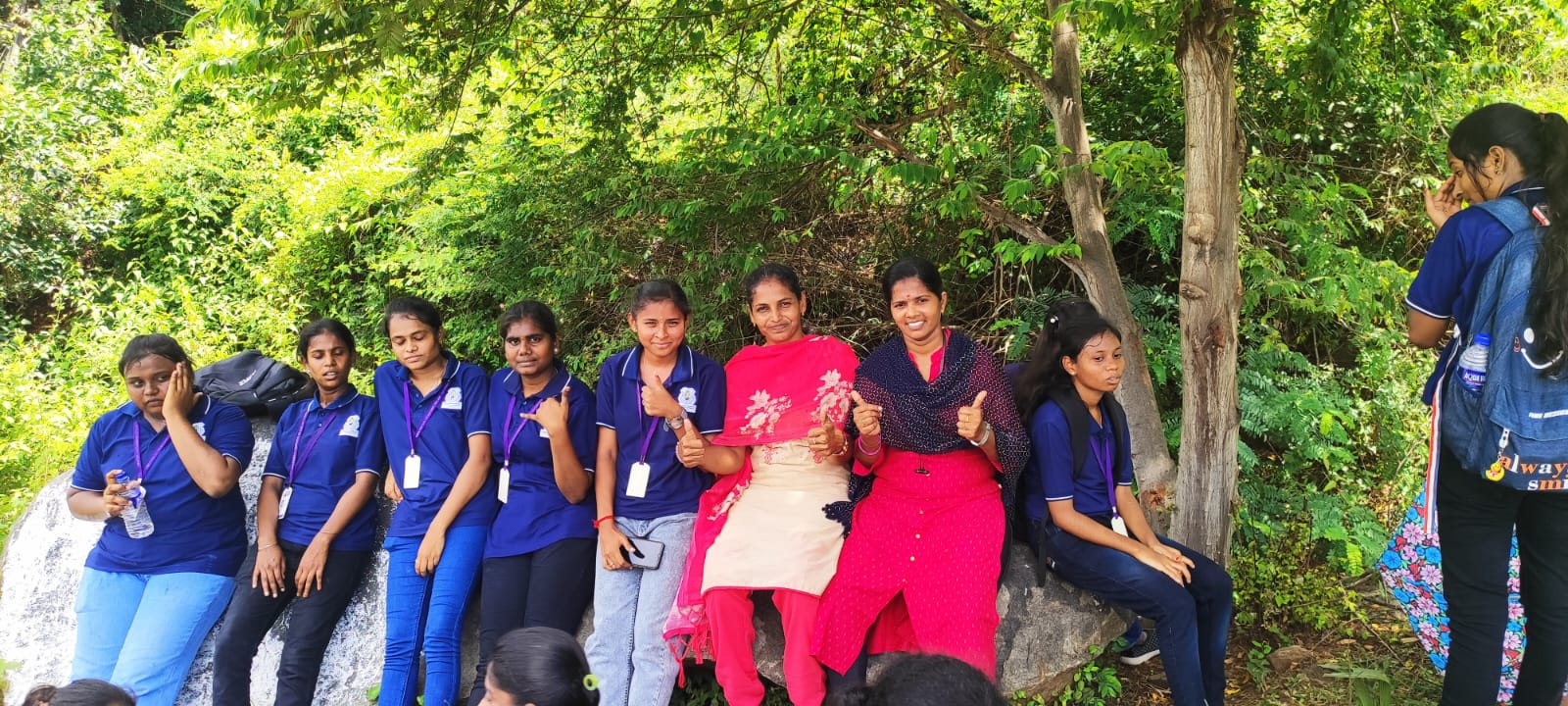
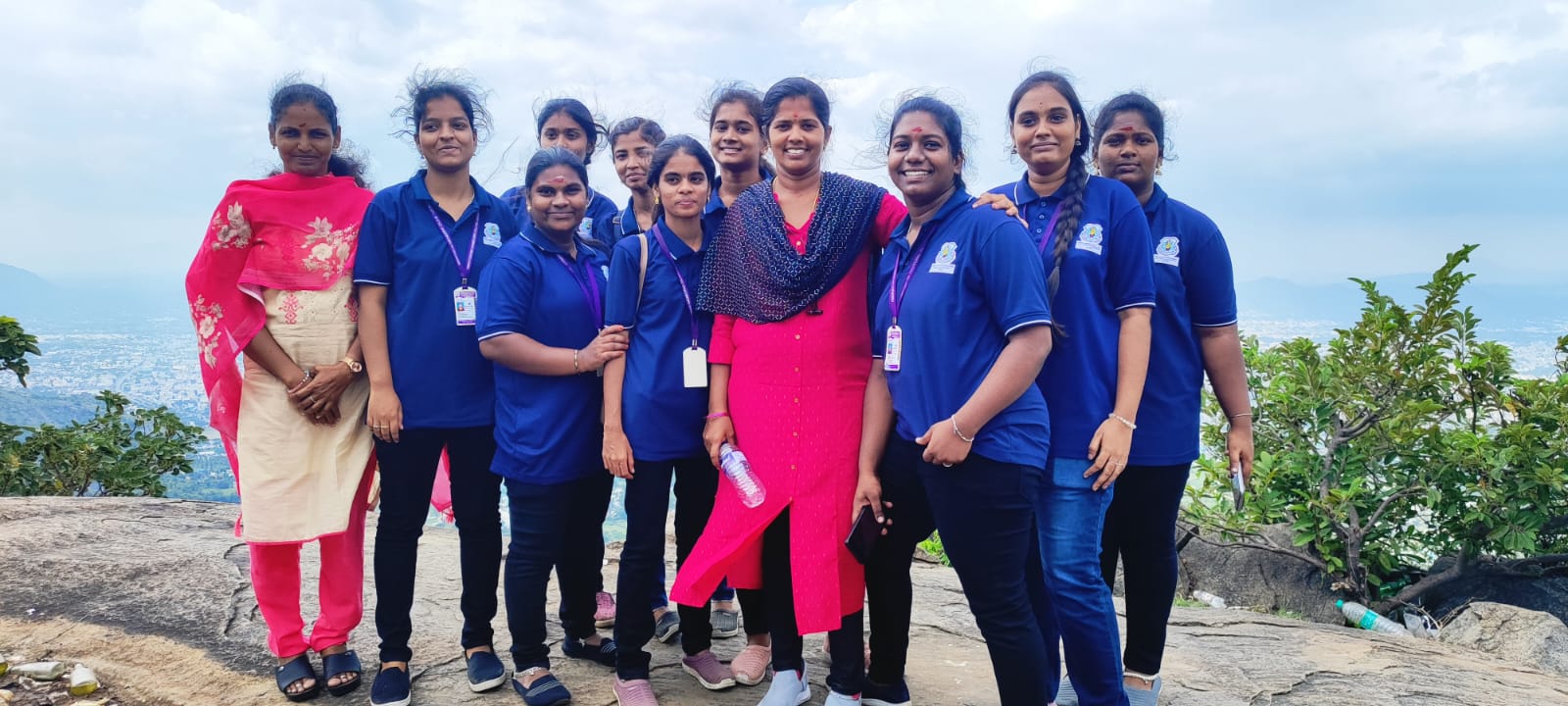
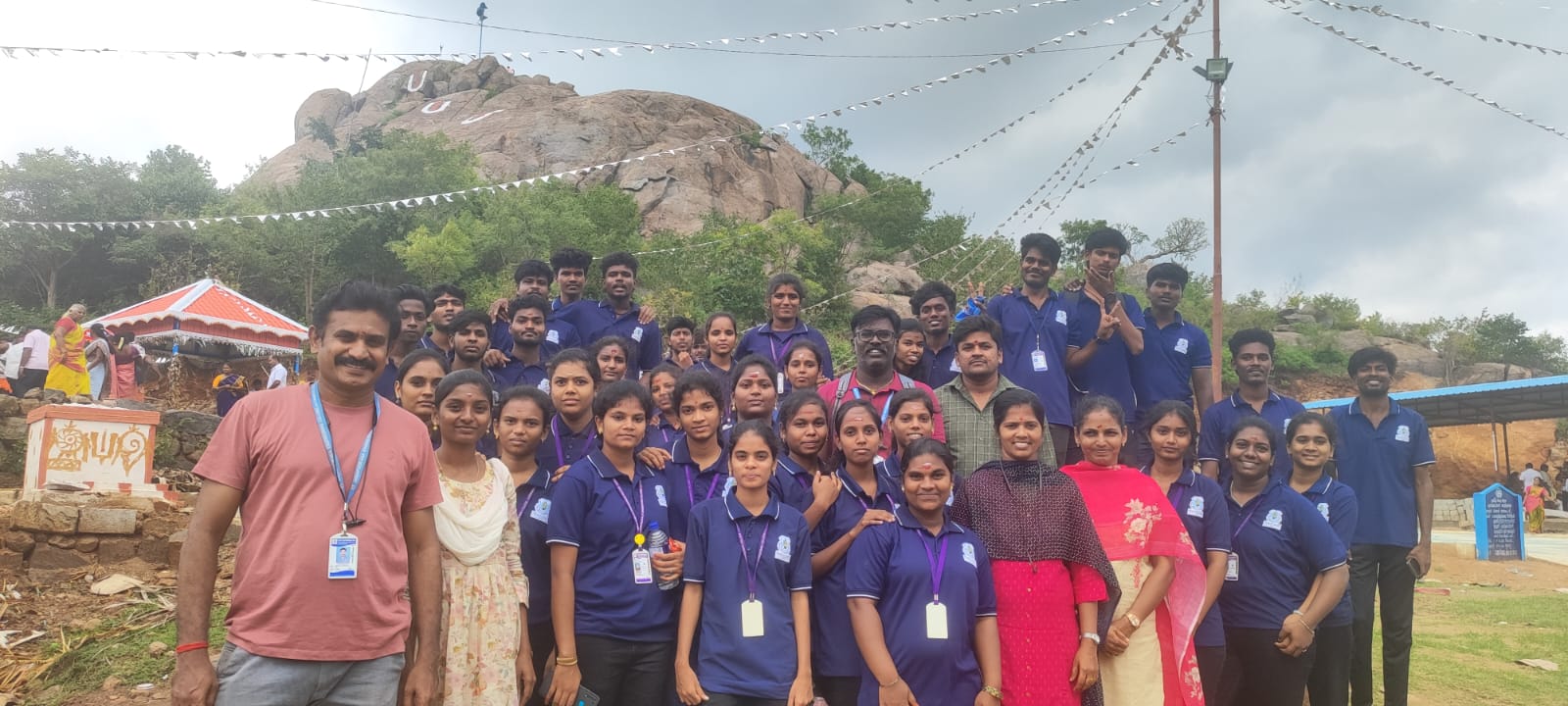
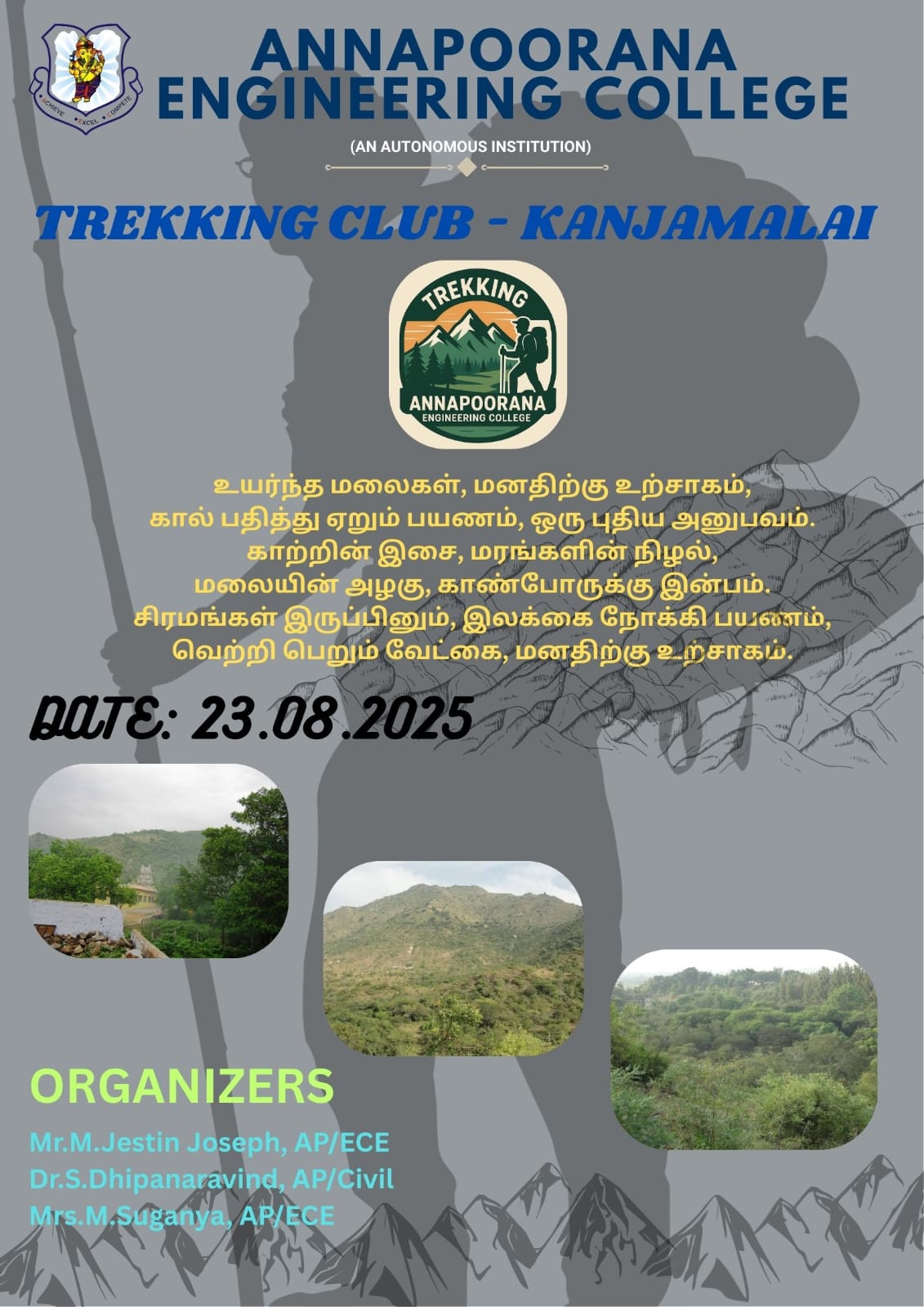
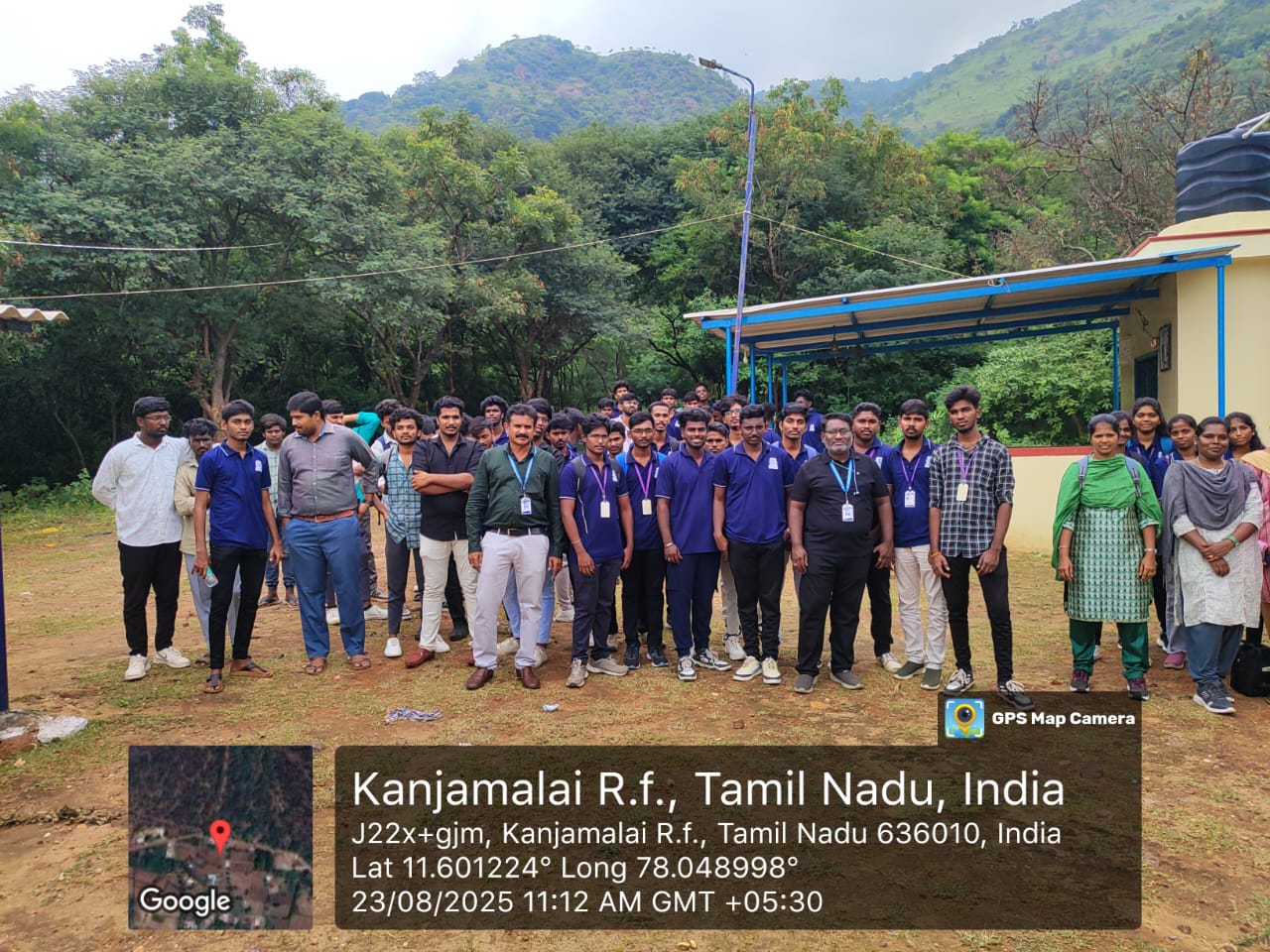
Kanjamalai Trekking 23.08.2025
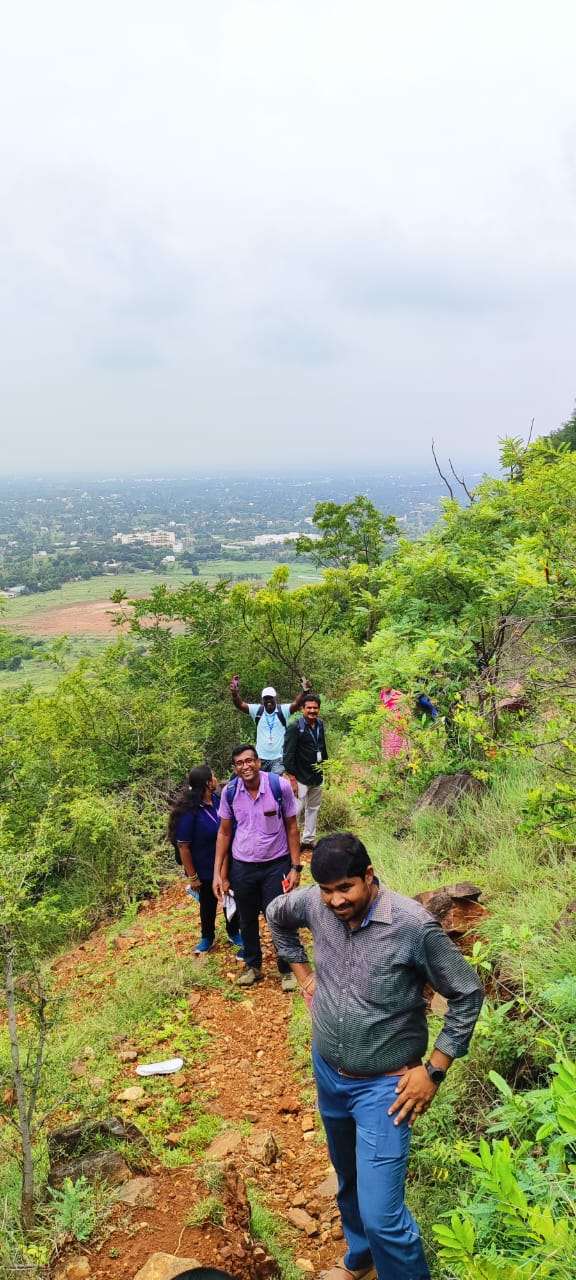

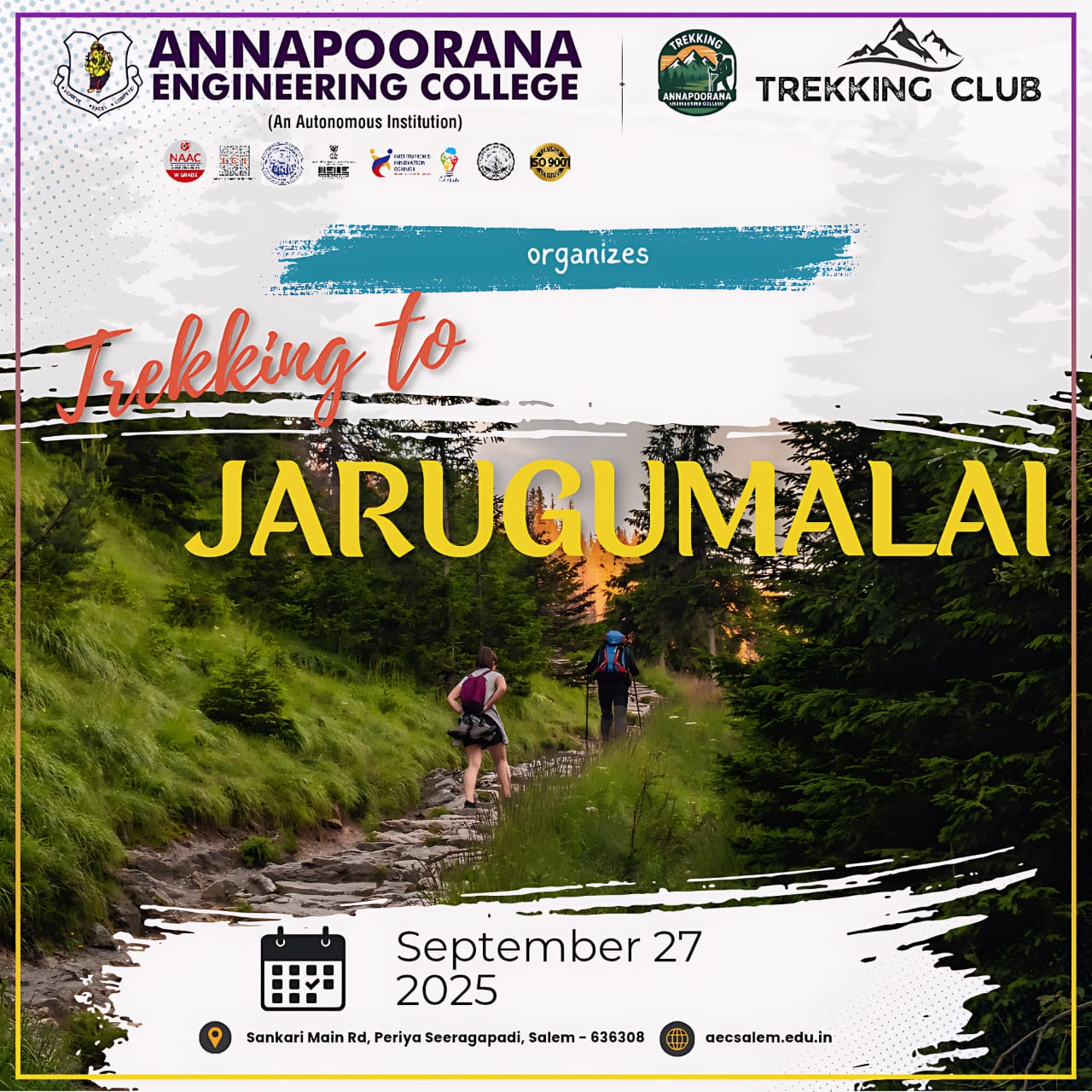
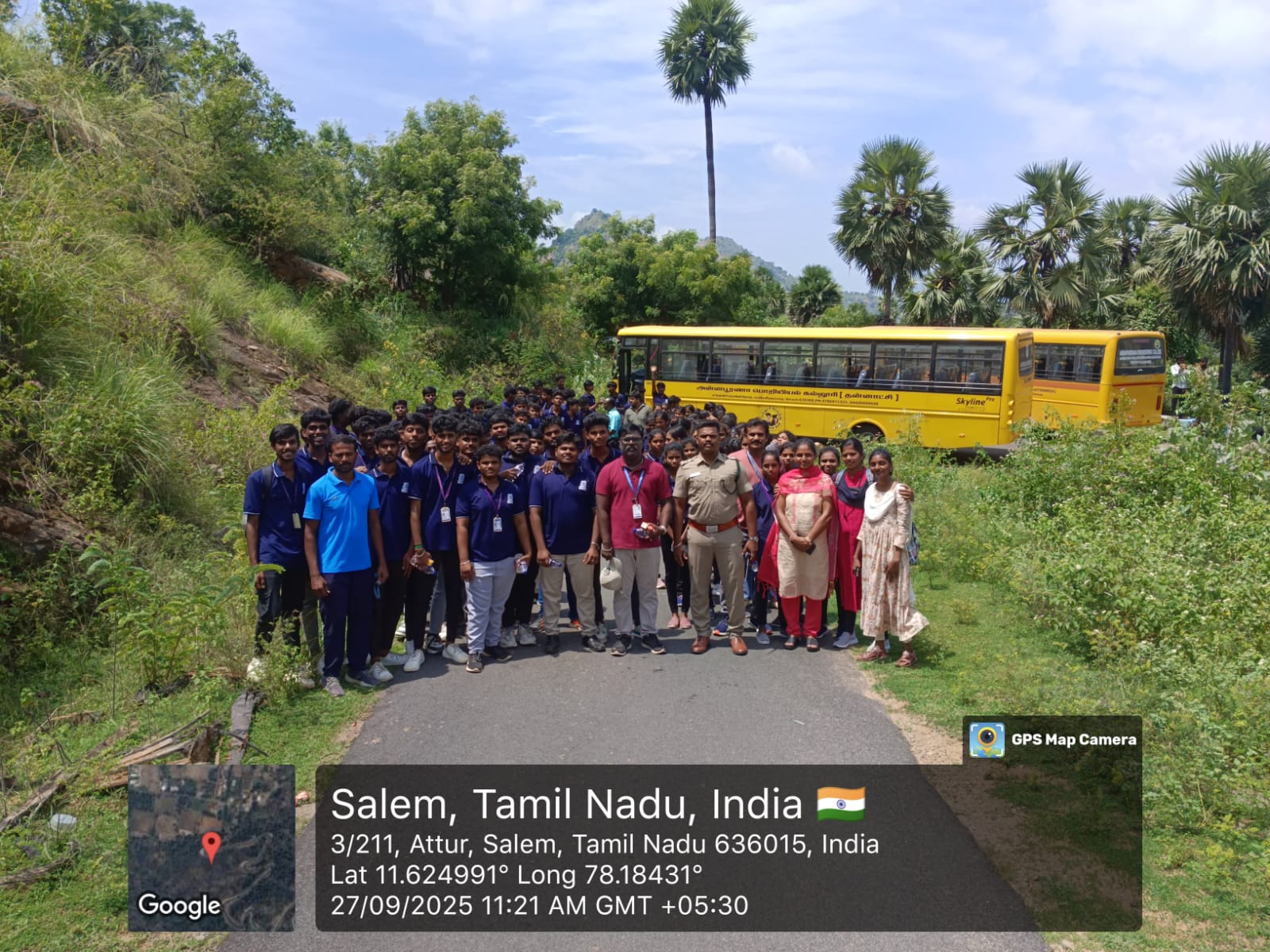
Jarugumalai Trekking 27.09.2025